Escalating Conflict in Yemen: Government Forces Counterattack Houthi Positions Amid Shelling of Marib
Recent developments in Yemen's ongoing civil war have raised concerns about a potential escalation, as government forces have launched counteroffensives against the Houthis following renewed…
By Global Trend Scope Desk
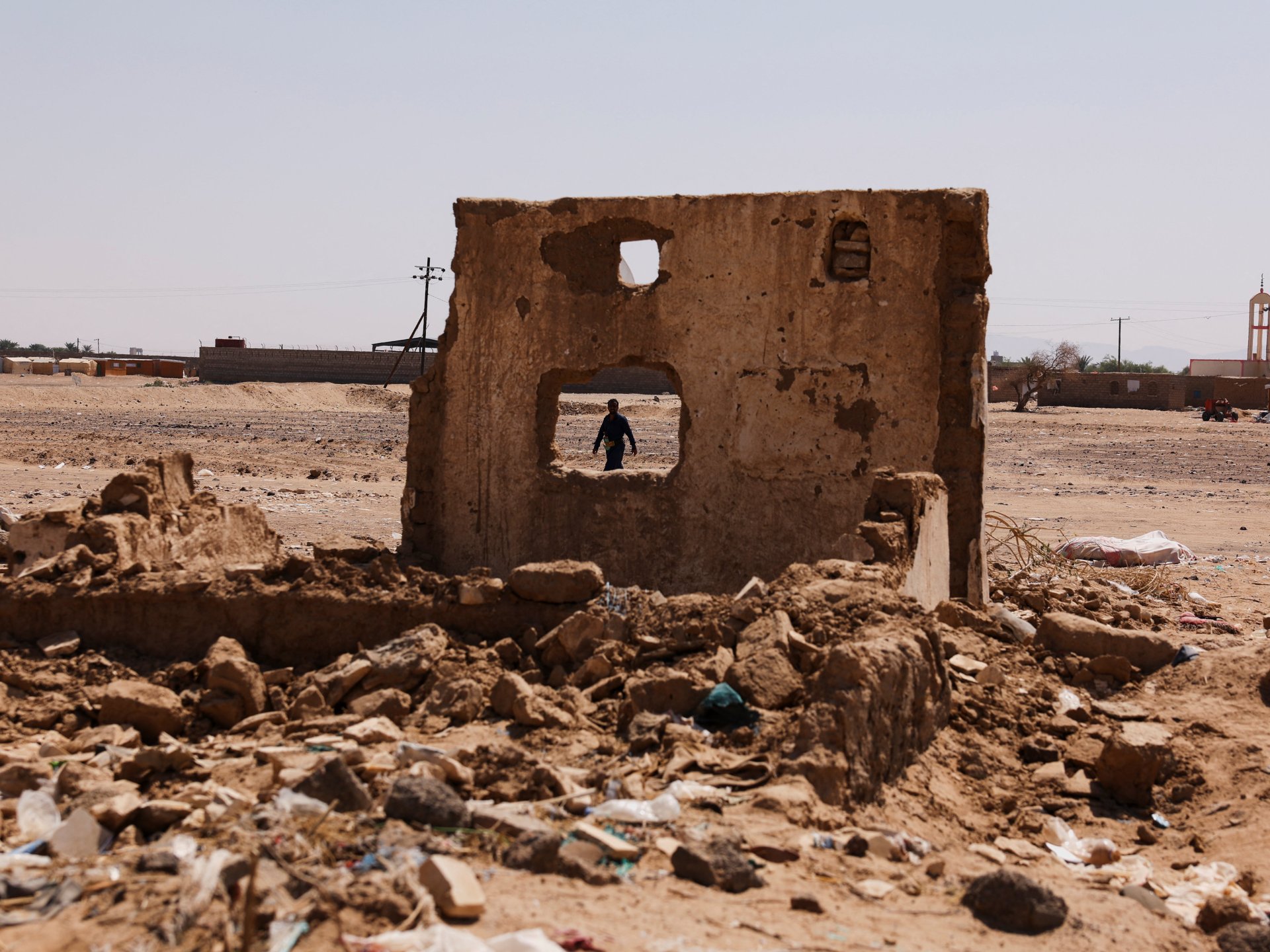
Recent developments in Yemen's ongoing civil war have raised concerns about a potential escalation, as government forces have launched counteroffensives against the Houthis following renewed shelling of Marib city. The attacks targeted Houthi positions along multiple front lines and were described as necessary to protect civilians. The renewed shelling followed a series of Houthi missile and drone attacks that killed at least 30 government soldiers and wounded 15 others in the provinces of Hadramout and Marib. The Houthis have resumed shelling civilian neighborhoods in Marib city, which hosts over 2 million displaced Yemenis, prompting a response from the government forces. This marks the first time in months that government forces have announced a counteroffensive, with analysts attributing it to Houthi preemptive strikes on army positions in Marib and Hadramout. The Houthis claim they are acting on suspicions of coordination between the Yemeni government and Saudi Arabia for a broader offensive against Houthi-held territory. Elisabeth Kendall, a Middle East specialist, believes this escalation carries a "looming possibility" of tipping Yemen back into full-scale conflict, given recent troop movements and clashes, as well as the expiration of the 2022 truce. The United Nations has called for de-escalation, condemning both Houthi missile attacks and continued strikes on oil tankers in the Red Sea.
Filed underConflict
More stories
Conflict
Deadly Backpack Bombing Rattles Northern Spain, Prompting Wide-scale Manhunt
Global Trend Scope Desk
Conflict
DR Congo Court Imposes Death Sentences on Soldiers for Desertion and Mutiny
Global Trend Scope Desk
Conflict
Americans Shift Away from Pro-War Candidates, Prioritizing Economic Stability over Military Conflicts
Global Trend Scope Desk
Conflict
Global Energy Crisis Escalates as Saudi Arabia Intercepts Houthi Missiles Targeting Key Infrastructure
Global Trend Scope Desk
Conflict
House Resolution Introduced to Impeach Defense Secretary Hegseth Over Alleged Constitutional Violations
Global Trend Scope Desk
Conflict
US Agencies Collaborate to Enhance Counter-Drone Measures Globally
Global Trend Scope Desk