D.C.'s Autonomy Under Question as National Guard Deployment Extended Through 2029
A year into a seemingly temporary deployment of the National Guard in Washington, following President Trump's declaration of a crime emergency, local residents and officials are expressing concern…
By Global Trend Scope Desk
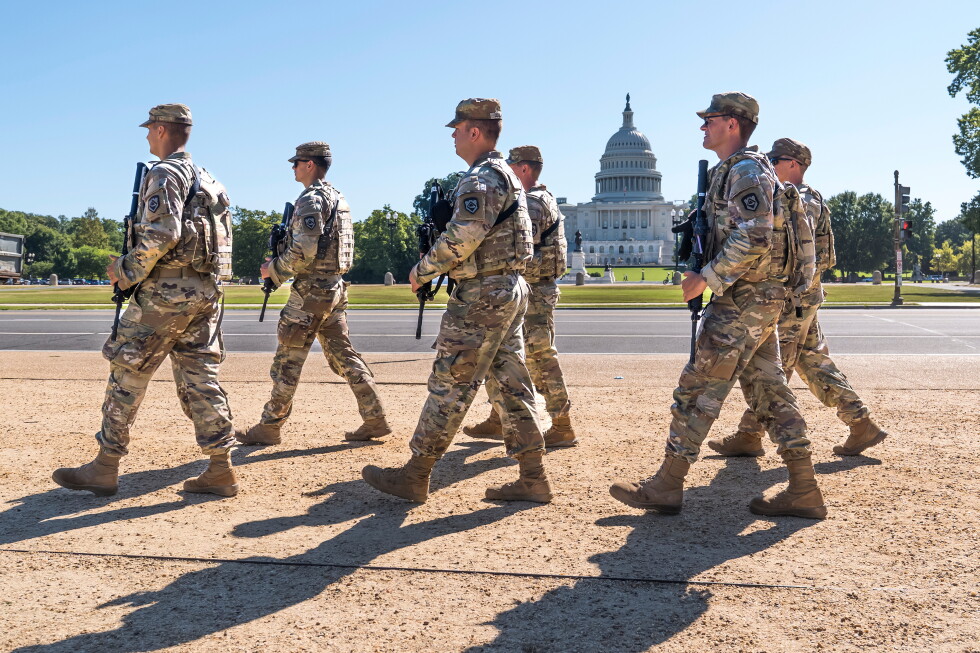
A year into a seemingly temporary deployment of the National Guard in Washington, following President Trump's declaration of a crime emergency, local residents and officials are expressing concern over what they perceive as an infringement on the city's autonomy. The extended mission through 2029 has sparked debate among residents who question its necessity in the absence of any genuine emergency. The continued presence of military personnel, alongside federal law enforcement officers, has become a routine feature in the nation's capital, supporting arrest operations and patrolling tourist areas, but also engaging in initiatives like medical emergencies, snow removal, and beautification projects. Critics argue that the deployment, costing an estimated $1.4 billion, is a political move aimed at encroaching on the city's affairs. As midterm elections approach, new political candidates are expected to push back against this encroachment, albeit with limited power to counteract it. The surge in federal law enforcement, launched in 2025, has led to over 16,000 arrests and the seizure of nearly 2,000 illegal firearms, according to authorities. However, the impact of this surge on crime rates remains a subject of debate, with some attributing the ongoing decrease in crime to local efforts spanning several years. Local residents feel the weight of the deployment and struggle to find ways to push back against it, as the National Guard's presence continues to cast a long shadow over Washington's autonomy.
Filed underPolitics
More stories
Politics
Trump Signals De-escalation with Iran, Hints at Negotiations for Regional Peace
Global Trend Scope Desk
Politics
Cameroon Announces Long-Awaited Legislative and Local Elections for February 2023
Global Trend Scope Desk
Politics
Accusations of Model Agency's Role in Putting Abuse Victim at Risk Emerge Amidst Epstein Inquiry
Global Trend Scope Desk
Politics
US-Iran Conflict: Trump Signals Potential De-escalation, Amid Middle Eastern Allies' Pressure for Status Quo
Global Trend Scope Desk
Politics
Supreme Court Clears Path for Border Wall Construction in Big Bend National Park
Global Trend Scope Desk
Politics
Massie Pursues Impeachment Vote on Defense Secretary Hegseth to Check Executive Overreach
Global Trend Scope Desk