In a significant development, the United Kingdom is set to sign a Brexit reset food deal with the European Union on Friday. The agreement aims to boost the British economy by £5bn annually and reduce household food costs. However, questions remain about whether it will lead to a return to frictionless trade or if there are hidden trade-offs and compromises.
The deal comes as a response to the challenges faced by businesses since Brexit, such as M&S in Boston, Lincolnshire, which has been meticulously tagging every truckload of spaghetti bolognese destined for Ireland with hundreds of pages of forms, vet checks, and delays. This has cost M&S millions and led to the closure of 11 French stores.
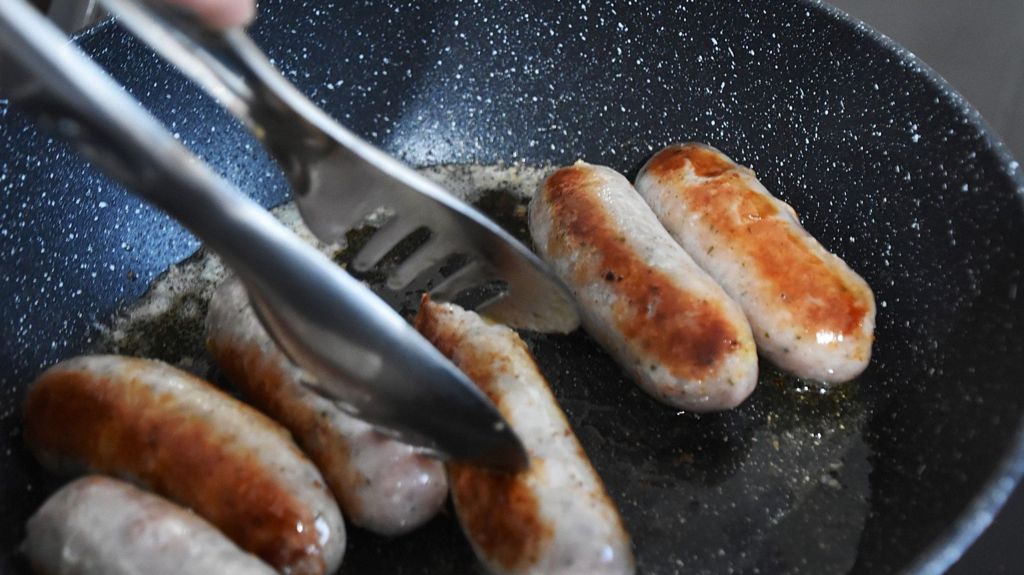
EU Affairs Minister Hamish Falconer, a key negotiator in this agreement, acknowledges that the UK will make a "choice" in exchange for being able to export products such as Lincolnshire sausages to the 27 EU countries. While the UK will have a "voice in the room", it will not have a vote, raising concerns about becoming a "rule taker" rather than a "rule maker". Falconer, however, insists that the UK will be involved in shaping the rules, and there will be no upfront payments. However, an "exit clause" is being considered to account for future changes in government policy.
The deal could also mean easing checks on goods flowing from Great Britain to Northern Ireland and eliminating separate "Not for EU" labelling. Critics, such as the National Farmers' Union, welcome reduced border inspections and paperwork but express concern about potential carve-outs and transitional arrangements. Trade volumes in food exports to the EU have fallen significantly since 2019, raising questions about the pragmatic approach to implementing new rules.
Areas of contention include pesticides, precision breeding, or gene-edited crops, where compromise is hoped for. For instance, UK firms are developing tomatoes engineered to contain extra vitamin D, a practice that historically has been met with stricter EU regulations but may be relaxed this year. The agreement's impact on popular snack flavours, such as smoky bacon crisps, is also a concern, with fears that stricter EU rules might limit their sale in the UK.
Minister Falconer has sought to address these concerns, emphasizing that the UK has stayed "pretty closely aligned" to European food safety standards post-Brexit. He reassures consumers, particularly smoky bacon fans, that many businesses have already adapted their recipes to comply with EU rules. The deal is expected to add 0.4% to UK GDP, offering a moment of opportunity and risk for British farmers as they await the details of any carve-outs and transitional arrangements.