WHO Reveals Early Onset of DRC's Ebola Outbreak, Months Before Official Declaration
In a groundbreaking revelation, the World Health Organization (WHO) has disclosed that the ongoing Ebola outbreak in the Democratic Republic of Congo (DRC), which is currently the fastest-growing on…
By Global Trend Scope Desk
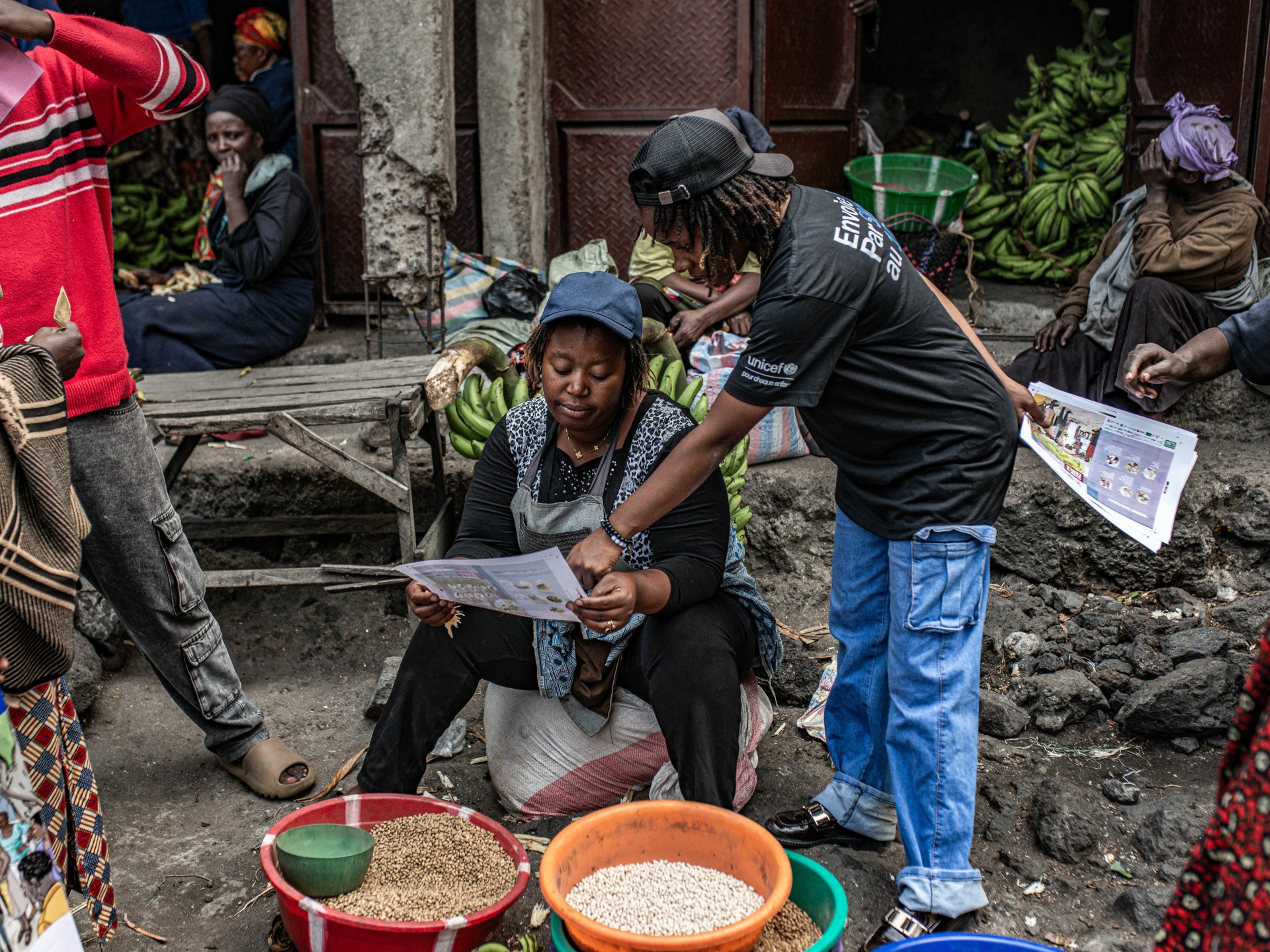
In a groundbreaking revelation, the World Health Organization (WHO) has disclosed that the ongoing Ebola outbreak in the Democratic Republic of Congo (DRC), which is currently the fastest-growing on record, began as early as February. The initial cases were erroneously attributed to malaria and typhoid, according to Mohamed Janabi, WHO's regional director for Africa. As responders grapple with a surge in cases, the virus has managed to stay ahead of containment efforts, Janabi stated at a press conference on Monday. The DRC has reported over 4,200 confirmed Ebola cases, resulting in approximately 1,900 deaths, as per the latest government figures. This outbreak, declared on May 15, is unique because it involves the rare Bundibugyo virus, for which there are no approved vaccines or treatments. Initial testing focused on the more common type of Ebola, contributing to delays. The outbreak is unfolding in challenging conditions, marked by strikes by unpaid health workers, threats from rebel groups, community resentment, and misinformation about the disease. Health teams navigate remote, unpaved roads and grapple with protective gear shortages, while the displaced population struggles to find clean water for hygienic handwashing. This outbreak has surpassed all previous ones in terms of death toll and rate, including the 2014-2016 West Africa outbreak, considered the deadliest on record with over 11,000 deaths in at least 28,000 cases. The WHO recently recommended the commencement of full-scale human trials for Ervebo, the only licensed Ebola vaccine. Though Ervebo has shown effectiveness against the Zaire strain of Ebola, early data suggests it may offer some protection against the Bundibugyo strain as well. Experts from the United Nations' health agency prefer a specific Bundibugyo vaccine for combating the current outbreak. Two potential Bundibugyo vaccines are in the early stages of clinical trials on humans, while a third is being developed to reach that stage. Several previous Ebola outbreaks have also been declared weeks or months late, including the 2014-2016 West Africa outbreak, which was officially announced in March 2014 but was later discovered to have started in December 2013.
Filed underScience & Health
More stories
Science & Health
Krakow Shooting: Surgeon's Timely Intervention Saves Officer's Life, Reveals Colleague
Global Trend Scope Desk
Science & Health
Krakow Mass Shooting Suspect Dies in Hospital: A Deep Dive into the Tragic Incident and Its Implications
Global Trend Scope Desk
Science & Health
Groundbreaking Court Ruling Recognizes Cosmic Radiation as Occupational Hazard for Flight Crews
Global Trend Scope Desk
Science & Health
Unusual Malaria Outbreak at Germany's Busiest Airport: Six Workers Affected and One Fatality
Global Trend Scope Desk
Science & Health
Fire at Pakistani Hospital Claims Lives of 14 Newborns: Inadequate Safety Measures and Lockdown Allegations
Global Trend Scope Desk
Science & Health
Deadly Nursery Fire Sweeps Through Pakistan Hospital, Claiming Lives of At Least 14 Newborns
Global Trend Scope Desk