WHO Declares End of Global Hantavirus Outbreak Traced to Cruise Ship
The World Health Organization (WHO) has officially declared the hantavirus outbreak, linked to a cruise ship and affecting 13 individuals with three fatalities, to be over.
By Global Trend Scope Desk
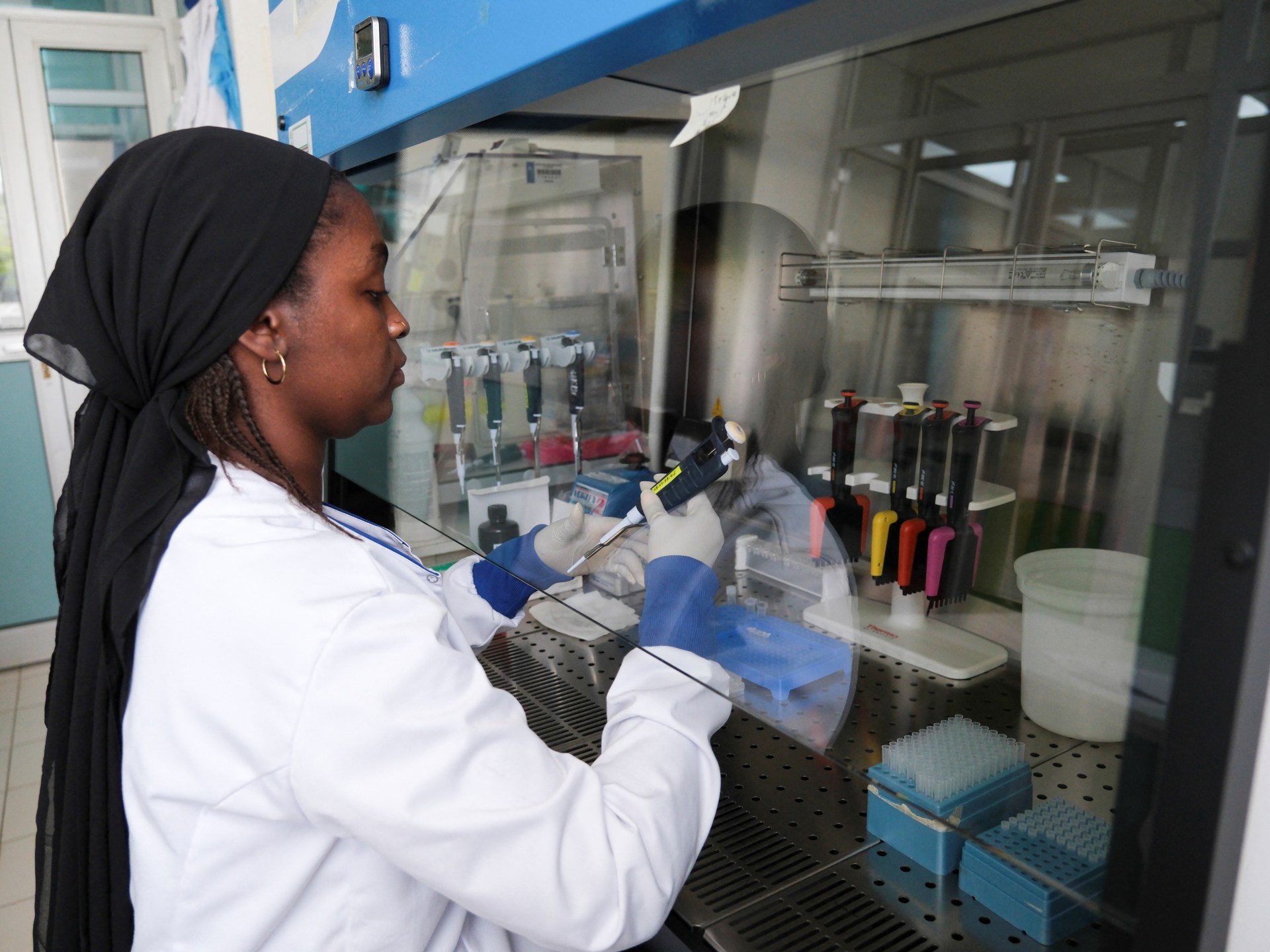
The World Health Organization (WHO) has officially declared the hantavirus outbreak, linked to a cruise ship and affecting 13 individuals with three fatalities, to be over. This announcement comes following the final exposed individual completing their quarantine period and testing negative for the virus on May 25. The outbreak involved the rare Andes strain of hantavirus, typically prevalent in Argentina and Chile, which originated from the April 1 voyage of the cruise ship Hondius. After traveling through remote South Atlantic islands and Tenerife in Spain's Canary Islands, the remaining passengers were flown home on May 18, with the ship docking in Rotterdam, Netherlands on May 18. Upon cleaning and disinfection, the ship resumed sailing on May 30. WHO reported that over 650 contacts related to the outbreak were identified and monitored by health authorities across 33 countries and territories. To better understand the outbreak and the virus itself, WHO plans to conduct a study involving 21 nations, focusing on disease development, which will aid in the creation of diagnostics, therapeutics, and vaccines for future incidents. Hantaviruses primarily spread through rodents but can become airborne during cleanup of infested areas; the Andes strain is the only known to facilitate close, prolonged human-to-human transmission. Symptoms include fever, headache, muscle aches, and gastrointestinal issues one to eight weeks post-exposure, potentially progressing into severe respiratory complications. At present, there are no approved vaccines or targeted antiviral treatments for the disease, with care primarily supportive in nature.
Filed underScience & Health
More stories
Science & Health
Krakow Shooting: Surgeon's Timely Intervention Saves Officer's Life, Reveals Colleague
Global Trend Scope Desk
Science & Health
Krakow Mass Shooting Suspect Dies in Hospital: A Deep Dive into the Tragic Incident and Its Implications
Global Trend Scope Desk
Science & Health
Groundbreaking Court Ruling Recognizes Cosmic Radiation as Occupational Hazard for Flight Crews
Global Trend Scope Desk
Science & Health
Unusual Malaria Outbreak at Germany's Busiest Airport: Six Workers Affected and One Fatality
Global Trend Scope Desk
Science & Health
Fire at Pakistani Hospital Claims Lives of 14 Newborns: Inadequate Safety Measures and Lockdown Allegations
Global Trend Scope Desk
Science & Health
Deadly Nursery Fire Sweeps Through Pakistan Hospital, Claiming Lives of At Least 14 Newborns
Global Trend Scope Desk