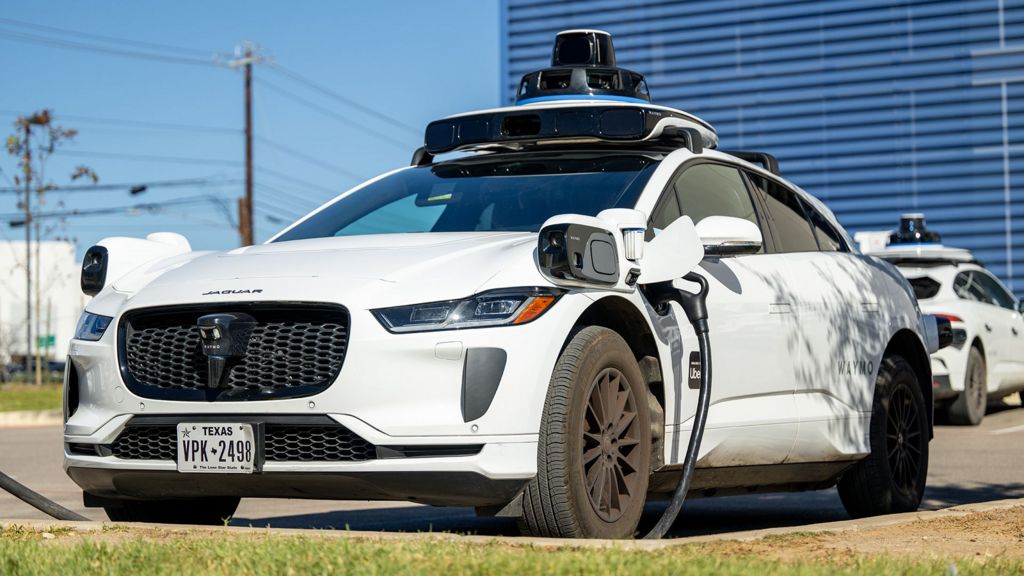
In a recent development, Alphabet Inc.'s Waymo has temporarily halted the operation of its autonomous vehicles on all US freeways. The move comes after the California Department of Motor Vehicles (DMV) imposed a ban on Waymo's driverless taxis from operating on state highways following a series of traffic incidents, including one this month where several driverless Waymo vehicles entered an active construction zone on US Route 101. The DMV cited an "imminent hazard to public safety" as the reason for the ban, citing recurring incursions by Waymo's vehicles into active construction zones.
Waymo, however, has assured that no injuries or collisions were reported following the incident on US Route 101 south of San Francisco. The company is working diligently with state officials to resume freeway operations and has temporarily restricted freeway operations across all its operating markets to evaluate its performance. In May, Waymo recalled thousands of its self-driving cars in the US due to a software issue that could allow vehicles to drive into flooded roads.
Despite these incidents, data on Waymo's website suggests that its cars are involved in 95% fewer crashes resulting in serious injury compared to human drivers. Currently, Waymo operates driverless taxis in 15 US cities, but only offers freeway rides in a few select locations such as San Francisco, Los Angeles, and Miami. The company's driverless taxis can continue to operate on regular city streets.
The California ban, which came into effect on 11 November, will remain in place until Waymo demonstrates to the department that it has taken effective corrective actions to address the deficiencies that precipitated the restrictions. In another incident earlier this month, footage widely seen on social media appeared to show a Waymo car trying to overtake patrol vehicles deliberately slowing traffic on a San Francisco highway.
This ban is a significant step in the regulation of autonomous vehicle technology and highlights the need for continued oversight and safety measures as these technologies are developed and deployed. It also raises questions about the readiness of autonomous vehicles to operate in complex and unpredictable real-world conditions.