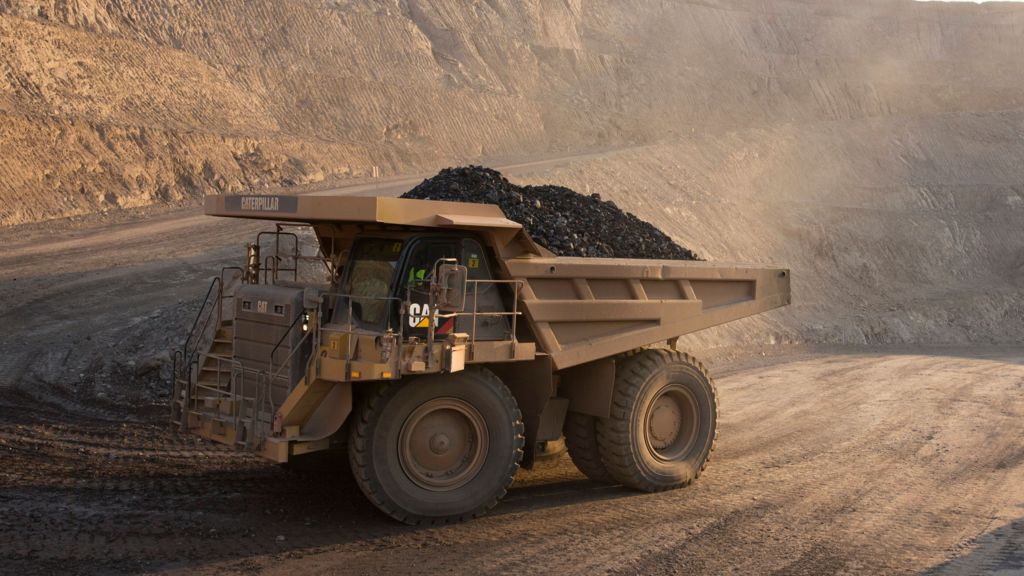
A US-led consortium, Frontier Minerals, has clinched the tender for Kenya's Mrima Hill mining project, edging out seven competitors, including Chinese and Australian firms. The site, estimated to hold critical mineral deposits valued at over $60 billion (£45bn), is expected to yield resources such as niobium, crucial for electric vehicles, aerospace, and defense technology. Frontier Minerals' strategy prioritizes maintaining economic benefits within Kenya by processing and refining minerals domestically. This development follows US efforts to expand access to Africa's mineral reserves, aiming to bolster domestic supply chains and counter China's dominance.
The consortium comprises three American companies: Bunker Hill Mining Corp, American Resources Corporation, and ReElement Technologies Corporation. Their combined expertise in mineral development, critical materials supply chains, and advanced refining technologies underlies their proposal to establish mineral processing and refining capacity in Kenya. Frontier Minerals' CEO, Brad Marnett, emphasized the company's commitment to creating lasting opportunities for Kenyan workers, businesses, and the economy while prioritizing environmental management and performance.
The Mrima Hill site, located in Kwale County near Kenya's Indian Ocean coastline, covers approximately 390 acres of forest. The project has sparked concerns among local residents, who worry about potential damage to the forest and their ancestral heritage. Additionally, questions have been raised about whether communities living near the site will derive significant benefits from the investment. Marnett assured Kenyans that they would reap tangible advantages: "We intend to create lasting opportunities for Kenyan workers, businesses, and the wider economy through capacity-building and targeted investment, while prioritizing environmental management and performance."
The consortium must still secure a prospecting license and meet regulatory requirements before commencing the project. Competitors have objected to the tender decision, with RareX from Australia allegedly planning to challenge the selection due to Frontier Minerals' reportedly missing an earlier submission deadline. Kenya's government maintains that the process was fair and transparent. This development is part of the US's broader strategy to secure alternative sources of critical minerals and reduce dependence on China, which controls the processing of several key minerals. Washington has been pursuing partnerships with mineral-rich African countries like the Democratic Republic of Congo and Zambia to strengthen supply chains for industries spanning electric vehicles to defense technology. Kenya's mining sector is a key component of its plans to diversify the economy beyond traditional sources of revenue such as tourism, agriculture, and financial services.
Stay updated with more news from the African continent at BBCAfrica.com. Follow us on Twitter @BBCAfrica, Facebook at BBC Africa, or Instagram at bbcafrica.