'Unprecedented Resilience': Miraculous Survival of Man Buried Alive for Eight Days in Venezuela Earthquake Rubble
In the aftermath of last week's devastating twin earthquakes in Venezuela, which claimed at least 2,295 lives and left an estimated 13,000 people homeless, international attention has shifted…
By Global Trend Scope Desk
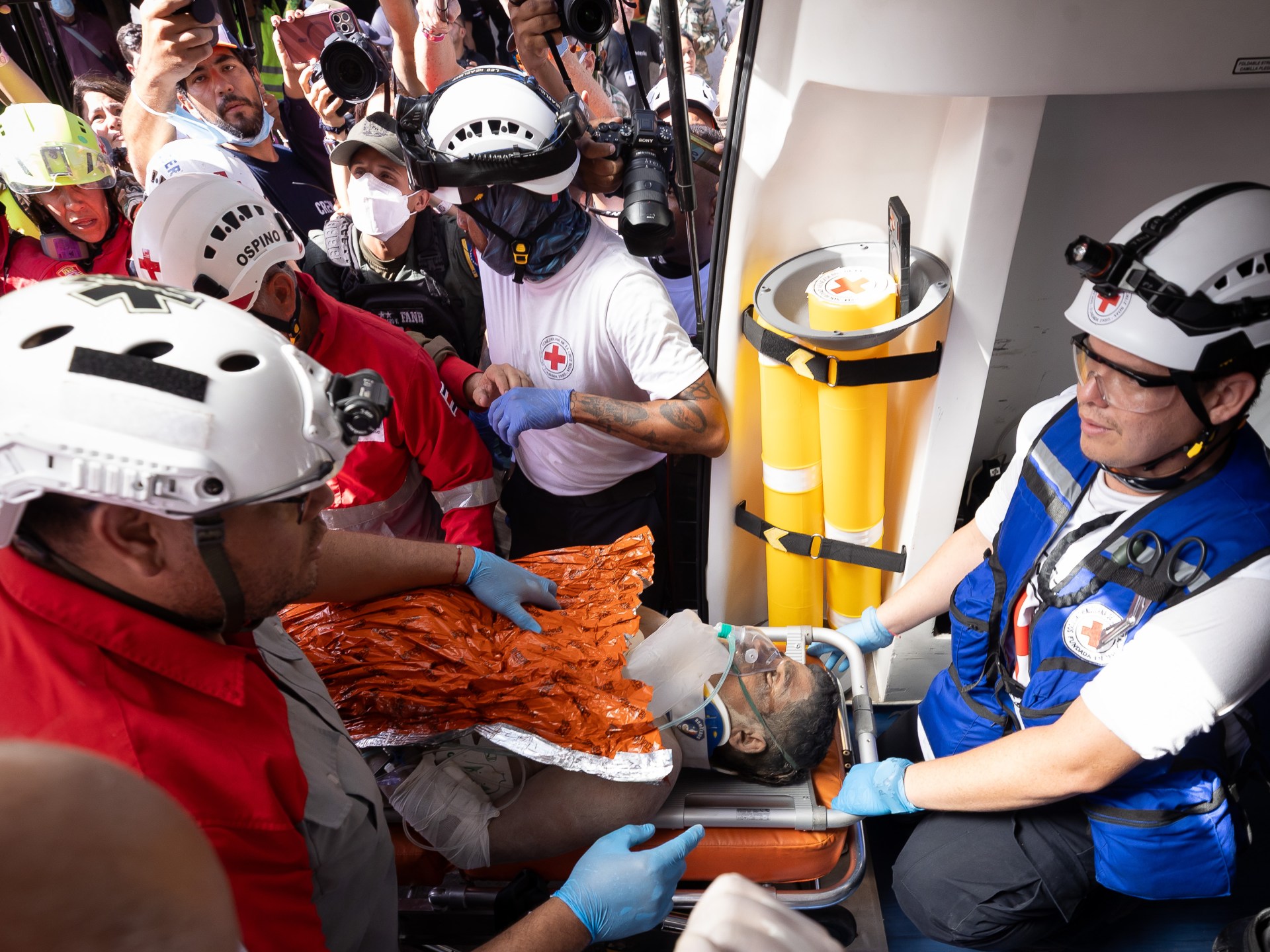
In the aftermath of last week's devastating twin earthquakes in Venezuela, which claimed at least 2,295 lives and left an estimated 13,000 people homeless, international attention has shifted towards the humanitarian response. On Thursday, a 43-year-old security guard named Hernan Gil was miraculously rescued from a collapsed seven-story building in Catia La Mar, eight days after the disaster struck. The joint rescue operation involved teams from seven countries, including Venezuela, Chile, the United States, Portugal, Costa Rica, El Salvador, and Mexico. After locating Gil three days earlier, rescuers painstakingly dug a three-meter tunnel to extract him. Despite the ongoing search efforts, countless rescue attempts across the country have resulted in tragedy, with many buildings already marked as 'deceased'. The emergency response is expected to transition from rescue and recovery to relief work and humanitarian aid, as concerns over potential health crises loom due to understaffed medical centers and critical shortages of medical equipment, staff, and electricity. With the country's health system already strained for two decades, international aid will likely be more than necessary in the coming months. The World Food Programme has appealed for $50m to feed half a million people for three months, while the United Nations Development Programme estimates physical damage costs at $6.7bn. Despite criticism over a lack of preparedness, the US government, under President Donald Trump, has pledged $300m in aid for relief efforts. The international community will play a crucial role in helping Venezuela navigate the long road to recovery.
Filed underWorld
More stories
World
Oxford Returns Ancestral Naga Remains to India, Paving Way for Joint Memorial and Burial
Global Trend Scope Desk
World
The Odyssey's Global Journey Grounded: Singapore Seizes Stranded Cruise Ship Amidst Fuel Cost Crisis
Global Trend Scope Desk
World
Global Energy Superpowers Battle for Dominance: Implications on Climate and Consumer Costs
Global Trend Scope Desk
World
Honduras Delays Verdict in Sex-Trafficking Case Amidst Global Concerns Over Impunity
Global Trend Scope Desk
World
Global Diplomacy Intensifies: US Mediates Russia-Ukraine Peace Talks Amid Claims of Battlefield Successes
Global Trend Scope Desk
World
European Diplomats Advocate for Inclusion in Russia-Ukraine Peace Negotiations
Global Trend Scope Desk