UN Sounds Alarm on Deteriorating Human Rights Crisis in Myanmar, Citing Abuses Against Rohingya and Resource Exploitation
The United Nations has warned of a plummeting human rights situation in Myanmar, citing the escalating violence against the Rohingya minority and the destructive impact of unregulated resource…
By Global Trend Scope Desk
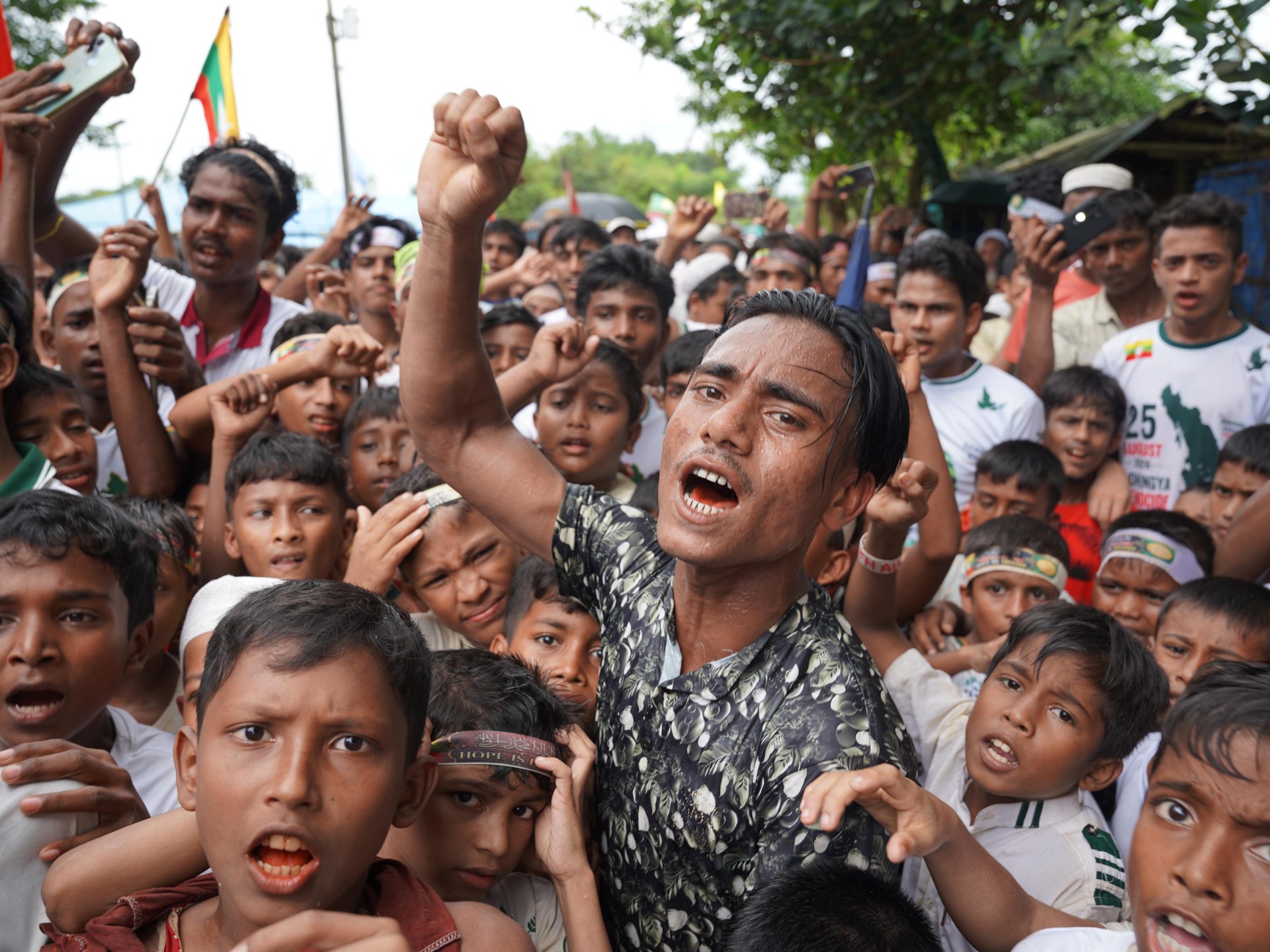
The United Nations has warned of a plummeting human rights situation in Myanmar, citing the escalating violence against the Rohingya minority and the destructive impact of unregulated resource exploitation, particularly illegal mining for rare earths. In a recently published report, the UN's Human Rights Office highlights the military's intensifying efforts to assert control over the country since seizing power in 2021, which has exacerbated civilian suffering through tactics such as airstrikes, arson attacks, displacement, and denial of assistance. The report estimates that approximately 8,075 civilians, including 1,074 children, have been killed since the coup, with at least 1,241 fatalities in the past year, although these figures may underestimate the actual toll. The ongoing violence has also led to a surge in internally displaced people, now numbering 3.6 million, and increased acute hunger among 12.4 million people, with over 400,000 young children and mothers suffering from acute malnutrition. In western Rakhine State, the military and the Arakan Army – an ethnic armed group that the military is fighting against – are accused of committing widespread and systematic violations against the predominantly Muslim Rohingya minority, including arbitrary arrests, torture, sexual and gender-based violence, forced labor, recruitment, village destruction, and religious site damage. The UN also points to the absence of the rule of law in Myanmar as a factor contributing to a booming illicit economy, with illegal rare earth mining in northern Kachin and northeastern Shan State bolstering transnational criminal networks. Satellite imagery identifies Kachin State as the primary rare-earth mining area, with 302 new sites since 2021 – a 149 percent increase. Mining run-off has also caused environmental contamination, which has affected maternal and reproductive health, according to the report. UN High Commissioner for Human Rights Volker Turk described the findings as deeply troubling, urging states, companies, and investors to reconsider their involvement with Myanmar, asking if their actions are fair and just for the country's people.
Filed underWorld
More stories
World
Oxford Returns Ancestral Naga Remains to India, Paving Way for Joint Memorial and Burial
Global Trend Scope Desk
World
The Odyssey's Global Journey Grounded: Singapore Seizes Stranded Cruise Ship Amidst Fuel Cost Crisis
Global Trend Scope Desk
World
Global Energy Superpowers Battle for Dominance: Implications on Climate and Consumer Costs
Global Trend Scope Desk
World
Honduras Delays Verdict in Sex-Trafficking Case Amidst Global Concerns Over Impunity
Global Trend Scope Desk
World
Global Diplomacy Intensifies: US Mediates Russia-Ukraine Peace Talks Amid Claims of Battlefield Successes
Global Trend Scope Desk
World
European Diplomats Advocate for Inclusion in Russia-Ukraine Peace Negotiations
Global Trend Scope Desk