Turkey Drives Global Electrification Agenda, Launching 35% Renewable Energy Pledge at COP31
As the United Nations climate conference COP31 prepares to open on Monday in Antalya, Turkiye, the global energy landscape is facing a significant shift.
By Global Trend Scope Desk
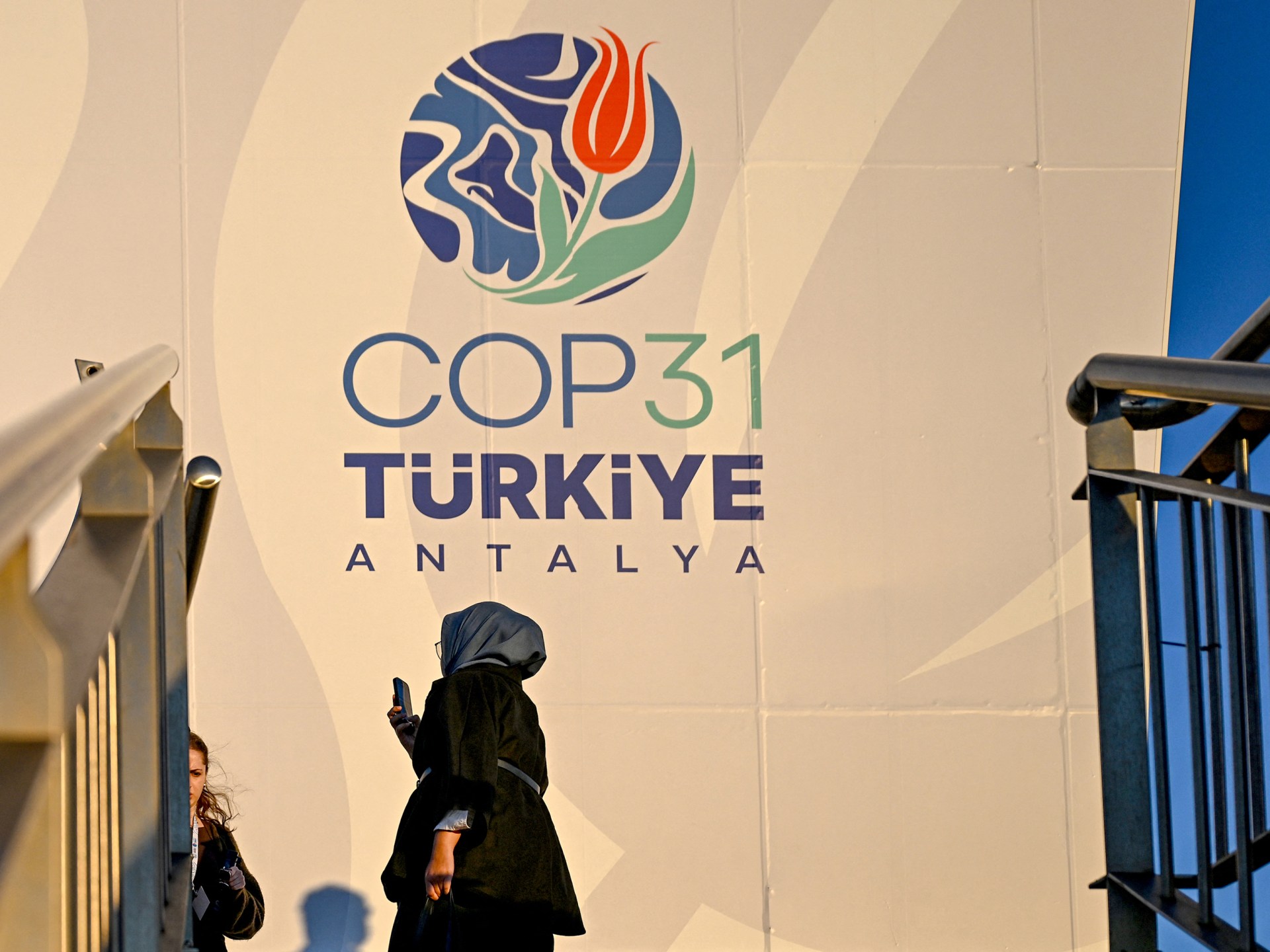
As the United Nations climate conference COP31 prepares to open on Monday in Antalya, Turkiye, the global energy landscape is facing a significant shift. The country has announced its intention to prioritize electrification at the summit, spearheading the non-binding 35-by-35 Global Electrification Pledge, which aims to increase electricity's share in global energy demand to at least 35% by 2035. With electricity currently accounting for approximately one-fifth of global total final energy consumption, according to the International Energy Agency, Turkiye believes this initiative will accelerate the transition towards renewable energy sources while enhancing energy security. The president of COP31 and Turkiye's environment minister, Murat Kurum, stated that the current energy crisis has underscored the importance of controlling one's energy resources, with electrification offering a solution that protects communities from volatile global markets and reduces emissions. The conference's priorities extend beyond electrification, encompassing themes such as zero waste, methane reduction, climate-resilient cities, green industrialization, education, and the implementation of national climate plans. However, critics have questioned whether the 35-by-35 pledge is robust enough, as it does not mandate that the additional electricity must come from low-carbon sources. This has sparked a debate on whether electrification alone can be considered climate progress. A coalition of countries, including South Pacific island nations vulnerable to sea level rise, is advocating for a more definitive global roadmap away from fossil fuels. Meanwhile, oil and gas producing countries, such as Saudi Arabia, argue that fossil fuels can continue to play a substantial role in the global energy mix if paired with technologies that reduce or capture emissions. The ongoing US-Israeli war on Iran has disrupted oil shipments through the Strait of Hormuz, causing fuel prices to skyrocket globally and prompting governments to seek alternative energy sources. In response, US President Donald Trump has advocated for policies promoting oil, gas, and coal production to address these Middle East disruptions. Simultaneously, the deployment of renewable energy has surged, fueled by a boom in exports of affordable clean technology from China. In this rapidly evolving global energy landscape, COP31 aims to guide nations towards an era dominated by electricity, with Turkiye playing a pivotal role in driving this transformation through its 35-by-35 pledge. The summit is expected to provide a platform for negotiations and collaboration among countries, as they navigate the complex interplay of geopolitical tensions, energy security, and climate action.
Filed underWorld
More stories
World
Oxford Returns Ancestral Naga Remains to India, Paving Way for Joint Memorial and Burial
Global Trend Scope Desk
World
The Odyssey's Global Journey Grounded: Singapore Seizes Stranded Cruise Ship Amidst Fuel Cost Crisis
Global Trend Scope Desk
World
Global Energy Superpowers Battle for Dominance: Implications on Climate and Consumer Costs
Global Trend Scope Desk
World
Honduras Delays Verdict in Sex-Trafficking Case Amidst Global Concerns Over Impunity
Global Trend Scope Desk
World
Global Diplomacy Intensifies: US Mediates Russia-Ukraine Peace Talks Amid Claims of Battlefield Successes
Global Trend Scope Desk
World
European Diplomats Advocate for Inclusion in Russia-Ukraine Peace Negotiations
Global Trend Scope Desk