Trump Proposes Financial Compensation from Iran Amidst Ongoing Strait of Hormuz Negotiations
In a recent development, US President Donald Trump has announced his intentions to seek financial compensation from Iran for alleged damages spanning over five decades.
By Global Trend Scope Desk
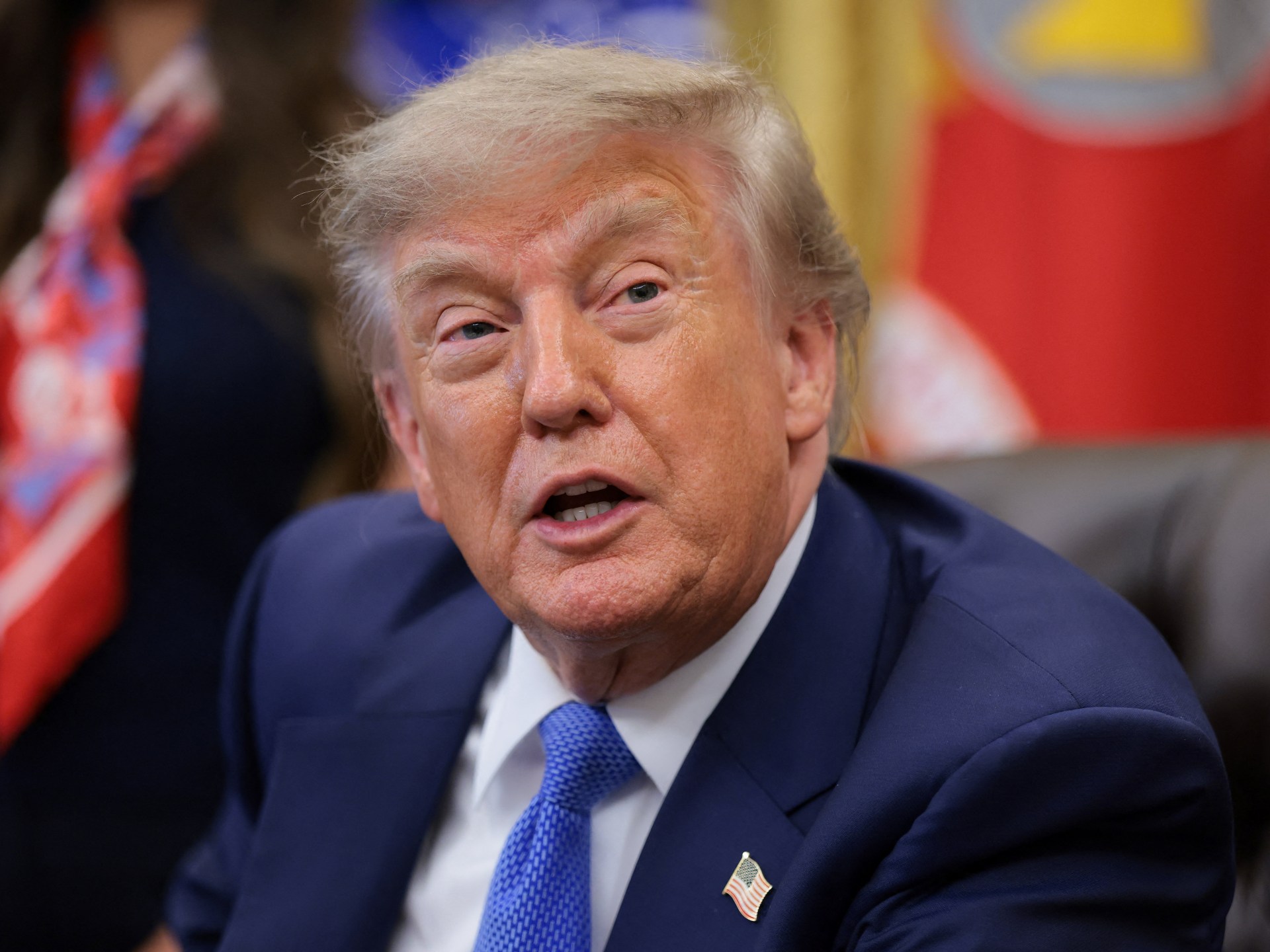
In a recent development, US President Donald Trump has announced his intentions to seek financial compensation from Iran for alleged damages spanning over five decades. This move comes in response to Iran's condition that the reopening of the strategically vital Strait of Hormuz be contingent upon war reparations and the removal of sanctions. The Strait, a crucial maritime passageway connecting the Arabian Gulf with the Gulf of Oman, has been effectively blocked since the US-Israeli conflict with Iran commenced in February. Trump's new demand for reparations could potentially complicate ongoing negotiations between Iran and Oman over the strait, as both countries continue discussions aimed at establishing new shipping lanes. The compensation proposed by Trump is said to cover casualties among US forces, civilian protesters within Iran, and families of US sailors killed in the October 2000 attack on the USS Cole naval vessel in Yemen. Furthermore, Trump has requested that Iran compensate for damages inflicted upon the people of Lebanon, Syria, Yemen, and Gaza. As the conflict continues, both sides remain under pressure to reach a resolution - Iran due to its dependence on oil exports, and the US to avoid escalating fuel prices ahead of the midterm elections and addressing depleted munitions stockpiles within the Pentagon. The ongoing naval blockade imposed by the US has reportedly resulted in a near-complete halt of Iranian oil exports from Kharg Island, leading Trump to describe it as an unyielding "steel wall." Despite these assertions, shipping data suggests that traffic in the Strait has significantly decreased over the weekend.
Filed underWorld
More stories
World
Oxford Returns Ancestral Naga Remains to India, Paving Way for Joint Memorial and Burial
Global Trend Scope Desk
World
The Odyssey's Global Journey Grounded: Singapore Seizes Stranded Cruise Ship Amidst Fuel Cost Crisis
Global Trend Scope Desk
World
Global Energy Superpowers Battle for Dominance: Implications on Climate and Consumer Costs
Global Trend Scope Desk
World
Honduras Delays Verdict in Sex-Trafficking Case Amidst Global Concerns Over Impunity
Global Trend Scope Desk
World
Global Diplomacy Intensifies: US Mediates Russia-Ukraine Peace Talks Amid Claims of Battlefield Successes
Global Trend Scope Desk
World
European Diplomats Advocate for Inclusion in Russia-Ukraine Peace Negotiations
Global Trend Scope Desk