The Impact of US-UK Pharmaceutical Deal on UK's National Health Service: A Forecast of Potential Consequences
A recent study published in the British Medical Journal (BMJ) has raised concerns about the potential impact of a US-UK pharmaceutical trade deal, signed in December 2020 between Prime Minister Keir…
By Global Trend Scope Desk
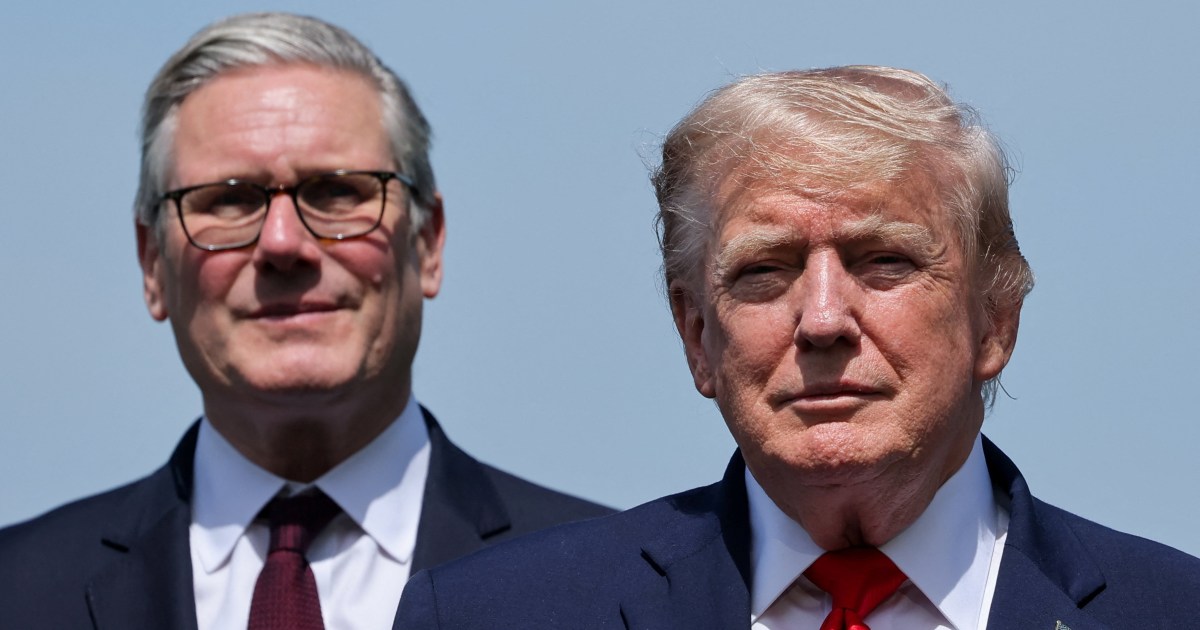
A recent study published in the British Medical Journal (BMJ) has raised concerns about the potential impact of a US-UK pharmaceutical trade deal, signed in December 2020 between Prime Minister Keir Starmer and President Donald Trump. The agreement, which grants the US a tariff-free access to UK pharmaceuticals and medical technology for the next three years, requires the British government to increase NHS spending on new US medicines from 0.3 percent in 2026 to at least 0.6 percent of its gross domestic product (GDP) by 2036. The study warns that this commitment to spend more on branded medicines over the next decade, without any increase in NHS funding, could create substantial opportunity costs elsewhere, negatively affecting population health. According to the report's findings, if spending targets are met and the economy grows as forecast by the Office for Budget Responsibility, the NHS would need to spend an extra £1.3 billion ($1.73bn) a year by 2028, rising to £8.8 billion ($11.74bn) a year by 2036. Over the course of the agreement, this could amount to approximately £44.7 billion ($59.7bn) by the end of 2036. The report predicts that these increased costs could lead to excess deaths, with estimates suggesting around 229,000 excess deaths by 2036, even without considering the indirect effect on adult social care. This number could rise to 291,000 if the indirect effects are included. The study's authors argue that these findings are unsurprising given the existing pressures on the NHS and the large burden of unmet need in cost-effective areas of care. They also refer to shortfalls in NHS funding and pharmaceutical pricing as "opportunity costs."
Filed underWorld
More stories
World
Oxford Returns Ancestral Naga Remains to India, Paving Way for Joint Memorial and Burial
Global Trend Scope Desk
World
The Odyssey's Global Journey Grounded: Singapore Seizes Stranded Cruise Ship Amidst Fuel Cost Crisis
Global Trend Scope Desk
World
Global Energy Superpowers Battle for Dominance: Implications on Climate and Consumer Costs
Global Trend Scope Desk
World
Honduras Delays Verdict in Sex-Trafficking Case Amidst Global Concerns Over Impunity
Global Trend Scope Desk
World
Global Diplomacy Intensifies: US Mediates Russia-Ukraine Peace Talks Amid Claims of Battlefield Successes
Global Trend Scope Desk
World
European Diplomats Advocate for Inclusion in Russia-Ukraine Peace Negotiations
Global Trend Scope Desk