Self-Immolation Protester Identified as Tibetan Activist Lobga Rangzen Outside UN Headquarters
In a shocking and tragic incident, a 52-year-old Tibetan activist named Lobga Rangzen, known for his relentless advocacy for Tibetan rights, died after setting himself on fire outside the United…
By Global Trend Scope Desk
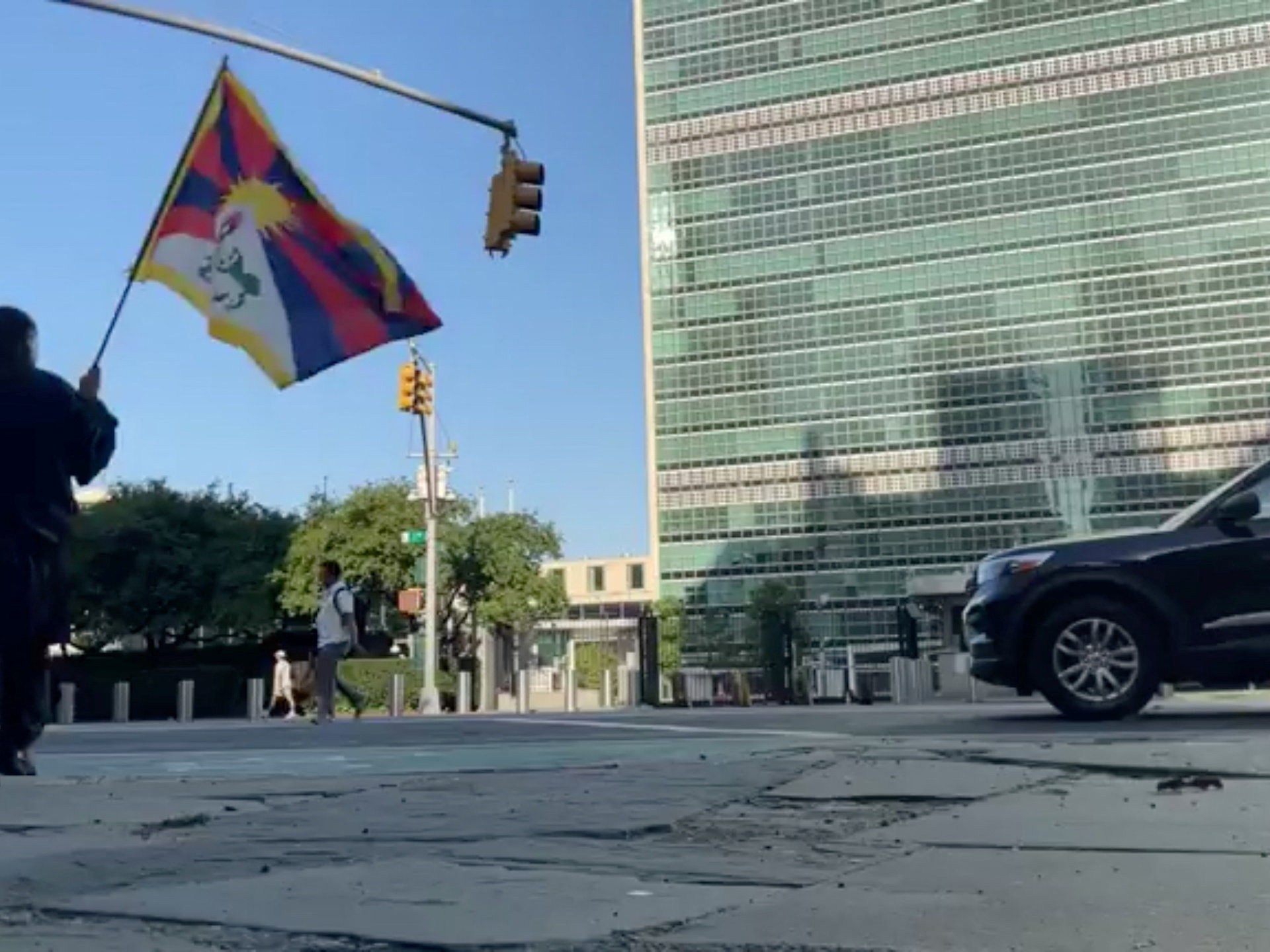
In a shocking and tragic incident, a 52-year-old Tibetan activist named Lobga Rangzen, known for his relentless advocacy for Tibetan rights, died after setting himself on fire outside the United Nations headquarters in New York. The self-immolation occurred at around 6:30 pm local time (22:30 GMT) on Thursday. Upon arrival at the hospital, he was pronounced dead due to severe burn injuries. The New York Police Department is currently investigating the incident, but has not disclosed any potential motive or confirmed his status as a pro-Tibet campaigner. A spokesperson for UN Secretary-General Antonio Guterres expressed sympathy for the deceased and his family, while US media and Tencho Gyatso, president of the International Campaign for Tibet, identified the man as Lobga Rangzen. Gyatso described him as a tireless champion who dedicated his life to raising awareness about the human rights crisis in Tibet. Rangzen had criticized China's recently implemented "Law on Promoting Ethnic Unity and Progress," which is accused of further eroding the rights of ethnic minorities, including Uighurs and Tibetans. The law grants Beijing the legal basis to take action against individuals outside its borders, causing concern among international bodies such as the United States and European Union. Since 2009, there have been over 150 self-immolations by Tibetans, according to the International Campaign for Tibet. China invaded Tibet in 1950, claiming it as an integral part of its territory for over seven centuries. International human rights groups and exiled Tibetans have consistently condemned what they perceive as China's oppressive rule in Tibetan areas, a claim that China denies. The Dalai Lama, the 90-year-old Tibetan spiritual leader, has been based in India since fleeing Lhasa following the Chinese military's suppression of an uprising in 1959. China does not recognize the Tibetan government-in-exile, the Central Tibetan Administration, and has not held dialogue with the Dalai Lama's representatives since 2010. The Dalai Lama's longstanding "Middle Way" policy seeks autonomy and a resolution to the Sino-Tibet conflict through non-violence, dialogue, and mutual benefit.
Filed underWorld
More stories
World
Oxford Returns Ancestral Naga Remains to India, Paving Way for Joint Memorial and Burial
Global Trend Scope Desk
World
The Odyssey's Global Journey Grounded: Singapore Seizes Stranded Cruise Ship Amidst Fuel Cost Crisis
Global Trend Scope Desk
World
Global Energy Superpowers Battle for Dominance: Implications on Climate and Consumer Costs
Global Trend Scope Desk
World
Honduras Delays Verdict in Sex-Trafficking Case Amidst Global Concerns Over Impunity
Global Trend Scope Desk
World
Global Diplomacy Intensifies: US Mediates Russia-Ukraine Peace Talks Amid Claims of Battlefield Successes
Global Trend Scope Desk
World
European Diplomats Advocate for Inclusion in Russia-Ukraine Peace Negotiations
Global Trend Scope Desk