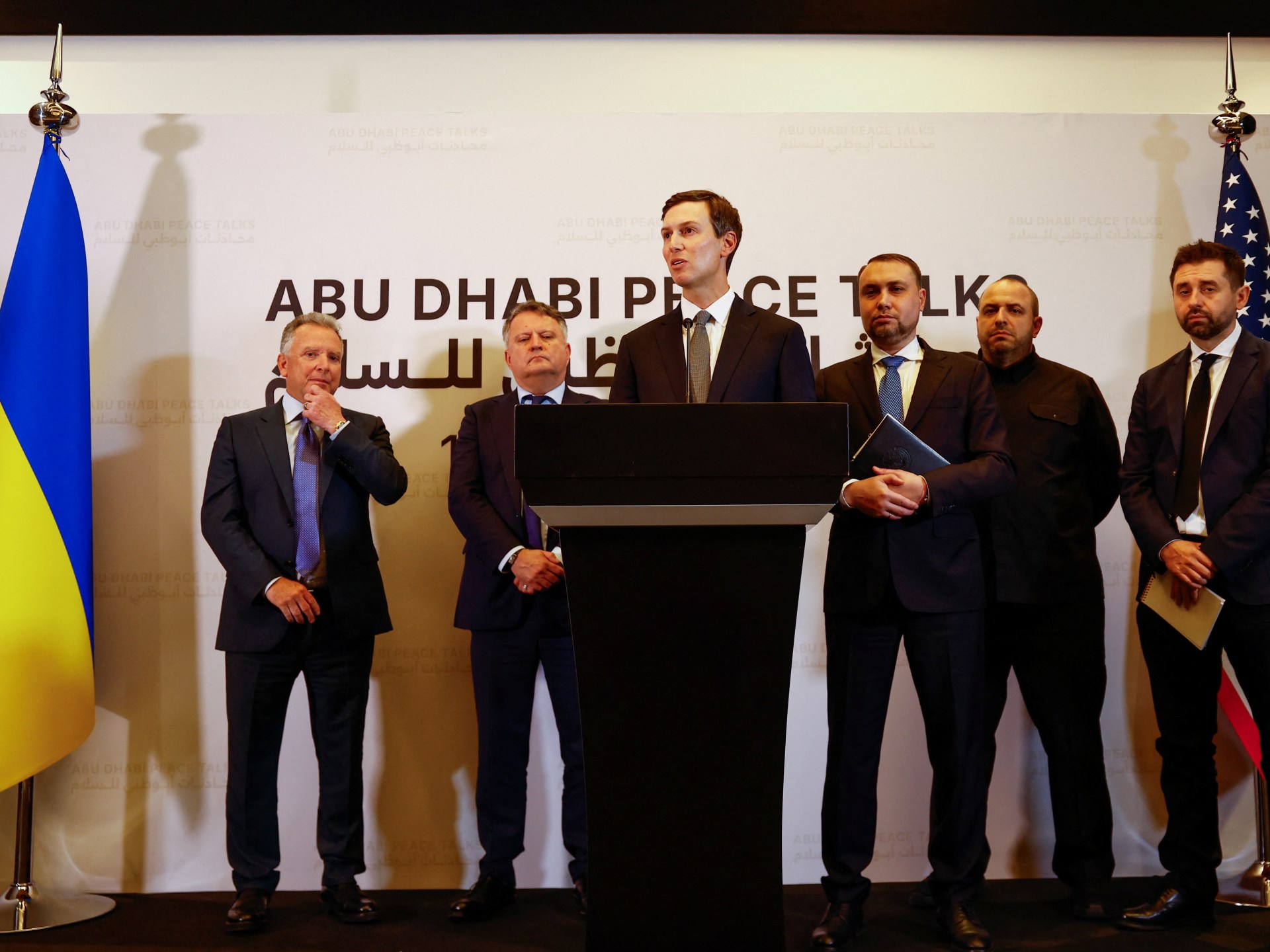
In a significant development, high-level talks between Russian and Ukrainian officials in Abu Dhabi have resulted in an agreement for a large-scale prisoner exchange. This marks the first negotiations between the two warring parties since February and is a step forward towards easing tensions that have persisted for nearly five years. The prisoner swap, brokered by U.S. envoy Jared Kushner and U.S. special envoy Steve Witkoff, is expected to take place within the next two to three weeks.
The negotiations, which spanned over two days, failed to produce a breakthrough on ending the conflict outright but did show signs of progress on some key issues. Kushner stated that they made "progress" on a post-war security framework and identified territorial issues as the most challenging to resolve. Russia's chief negotiator, Vladimir Medinsky, hinted at future talks and expressed Moscow's openness to participation from the European Union.
Political analyst Dmitry Medvedenko noted that prisoner exchanges have been a regular occurrence but this round of negotiations represents a new level of diplomatic effort. Ukraine and Russia previously exchanged 200 prisoners each in March following talks in Geneva, Switzerland, and last year they swapped 146 prisoners after mediation by the UAE. If finalized, the upcoming exchange could surpass the 1,000-for-1,000 exchange from May last year, making it the biggest prisoner exchange to date.
Ukraine's peace negotiator David Arakhamia expressed optimism about reaching a solution before the end of the year and urged for multilateral talks, including European representation. Ukrainian President Volodymyr Zelenskyy, who is not attending the talks, emphasized the importance of European involvement in discussions regarding security matters. Kushner indicated that further talks with the Russian and Ukrainian presidents would aim to include Europeans in the negotiations and transition the format from trilateral to multilateral.