Rapid Rescue Mission Deployed to Retrieve Plummeting NASA Space Telescope
A rapid-response mission was launched on Friday by Northrop Grumman, aiming to rescue the NASA Swift Observatory, a space telescope that is at risk of plunging back to Earth due to recent solar…
By Global Trend Scope Desk
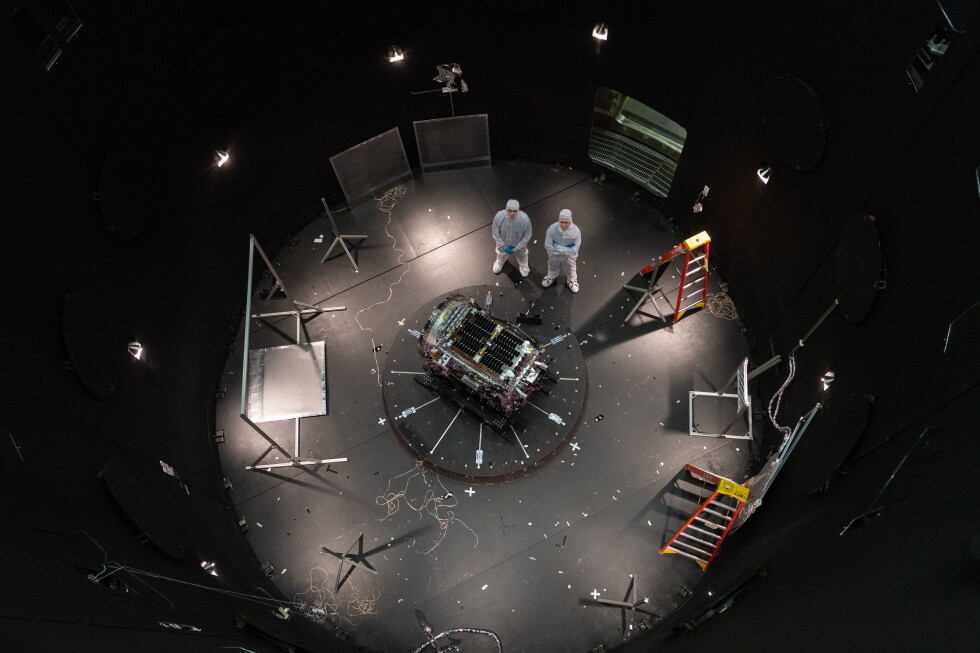
A rapid-response mission was launched on Friday by Northrop Grumman, aiming to rescue the NASA Swift Observatory, a space telescope that is at risk of plunging back to Earth due to recent solar storms. The mission, spearheaded by Katalyst Space Technologies, utilizes their Link spacecraft which was launched from the Marshall Islands in the Pacific. The Pegasus rocket propelled Link into orbit, setting it on a course to rendezvous with the Swift Observatory, expected in approximately a month. Launched in 2004, the Swift Observatory has been losing altitude at an accelerated rate due to solar storms, threatening its ability to continue monitoring some of the universe's most powerful explosions, such as gamma ray bursts and supernovae. NASA is investing $30 million for Katalyst Space Technologies to capture the telescope and raise its orbit to preserve its functionality. If successful, Swift could resume observing the cosmos by September. The Hubble Space Telescope may be a future candidate for a similar salvage operation due to its own altitude loss caused by increased atmospheric drag from solar outbursts. Currently, the 1.6-ton Swift Observatory orbits at 224 miles above Earth, and Katalyst aims to boost its altitude by 150 miles, returning it to its original orbit without causing excessive jostling. The mission was developed by Katalyst in just nine months due to NASA's insistence on a quick resolution, as the telescope will be too low to recover by the fall if not boosted. Bad weather and technical issues delayed the launch multiple times, but the team successfully avoided the risk of the telescope burning up in Earth's atmosphere. As CEO Ghonhee Lee stated before liftoff, this mission is a high-risk, high-reward endeavor with the primary objective of preventing the loss of valuable scientific data and resources.
Filed underScience & Health
More stories
Science & Health
Krakow Shooting: Surgeon's Timely Intervention Saves Officer's Life, Reveals Colleague
Global Trend Scope Desk
Science & Health
Krakow Mass Shooting Suspect Dies in Hospital: A Deep Dive into the Tragic Incident and Its Implications
Global Trend Scope Desk
Science & Health
Groundbreaking Court Ruling Recognizes Cosmic Radiation as Occupational Hazard for Flight Crews
Global Trend Scope Desk
Science & Health
Unusual Malaria Outbreak at Germany's Busiest Airport: Six Workers Affected and One Fatality
Global Trend Scope Desk
Science & Health
Fire at Pakistani Hospital Claims Lives of 14 Newborns: Inadequate Safety Measures and Lockdown Allegations
Global Trend Scope Desk
Science & Health
Deadly Nursery Fire Sweeps Through Pakistan Hospital, Claiming Lives of At Least 14 Newborns
Global Trend Scope Desk