Qatar Prime Minister to Meet Trump: Examining Iran's New Nuclear Proposal and Diplomatic Efforts for a Peaceful Resolution
United States President Donald Trump is due to hold talks with Qatari Prime Minister Sheikh Mohammed bin Abdulrahman bin Jassim Al Thani at the White House on Monday, in an effort to bridge…
By Global Trend Scope Desk
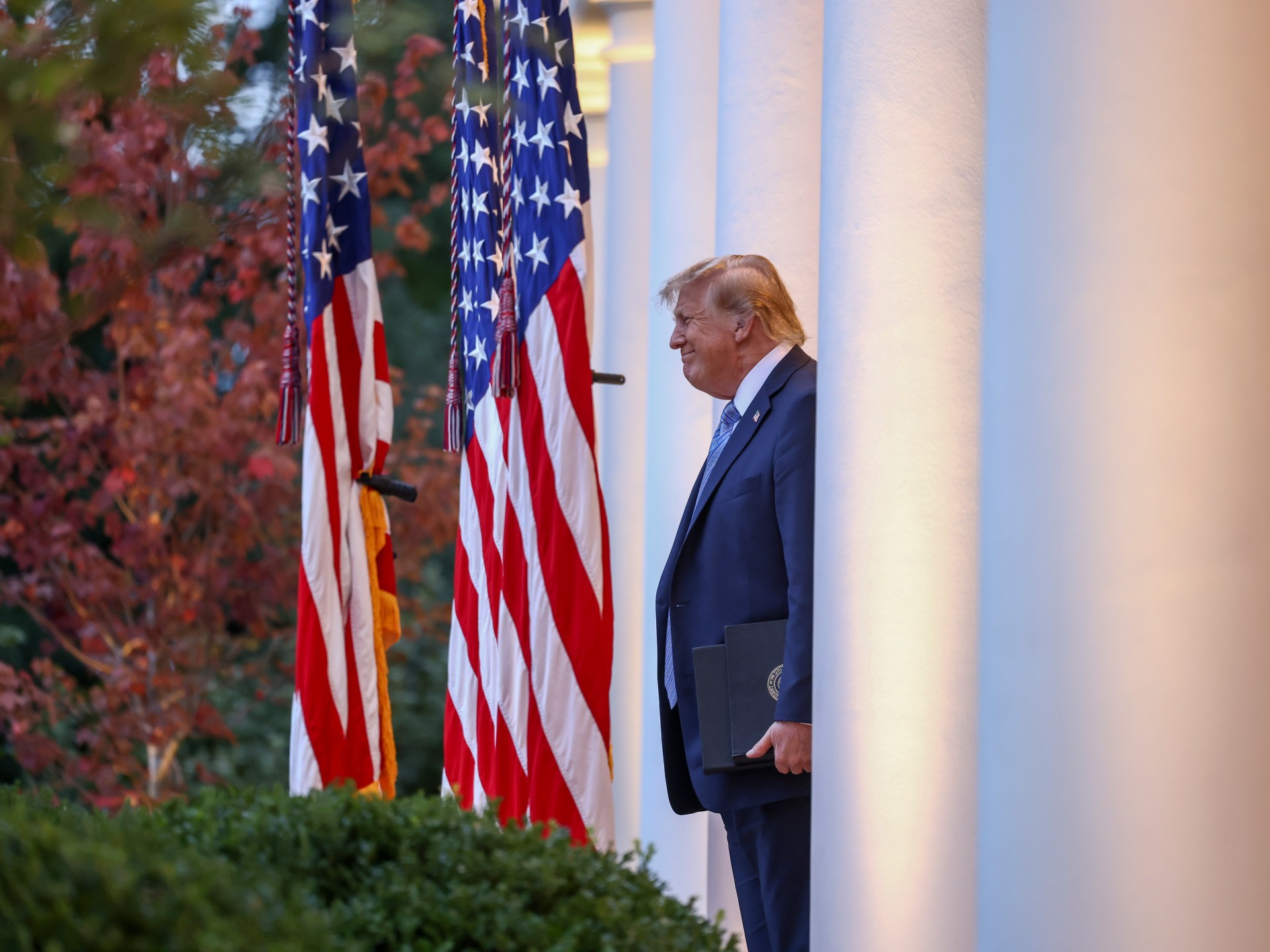
United States President Donald Trump is due to hold talks with Qatari Prime Minister Sheikh Mohammed bin Abdulrahman bin Jassim Al Thani at the White House on Monday, in an effort to bridge differences over Iran's nuclear program and the terms for ending the conflict. This meeting follows a two-day proposal put forth by Iran, mediated by Qatar, which is currently under examination by Washington. The proposed deal would only be discussed after the US meets Tehran's seven demands, but Iran has expressed reluctance to negotiate over its nuclear activities until certain core conditions are met. Tensions have escalated as Iran has enriched uranium up to 60 percent purity, a short step from weapons-grade levels, following Trump's withdrawal from the nuclear deal in 2018. As diplomatic efforts continue, both parties appear to be seeking a peaceful resolution while maintaining a strong stance on their respective demands. The Qatari Prime Minister will also reportedly meet with Vice President JD Vance, and discussions between Washington and Tehran may include lifting sanctions, reducing US military presence in the region, reinstating oil waivers, releasing frozen Iranian funds, and recognizing a new shipping route in the Strait of Hormuz. However, Trump has warned that the US could resume full-scale strikes on Iran if negotiations fail to produce a strong agreement, prompting threats from Iranian Foreign Minister Abbas Araghchi that Tehran will "rain down hell" if attacks are resumed. While Secretary of State Marco Rubio acknowledges the difficulty in reaching an agreement, he maintains that Iran's demands are "not just unacceptable, but in some cases, outrageous and ridiculous and really not realistic." As diplomatic efforts continue, the international community watches closely for any breakthroughs or escalations.
Filed underWorld
More stories
World
Oxford Returns Ancestral Naga Remains to India, Paving Way for Joint Memorial and Burial
Global Trend Scope Desk
World
The Odyssey's Global Journey Grounded: Singapore Seizes Stranded Cruise Ship Amidst Fuel Cost Crisis
Global Trend Scope Desk
World
Global Energy Superpowers Battle for Dominance: Implications on Climate and Consumer Costs
Global Trend Scope Desk
World
Honduras Delays Verdict in Sex-Trafficking Case Amidst Global Concerns Over Impunity
Global Trend Scope Desk
World
Global Diplomacy Intensifies: US Mediates Russia-Ukraine Peace Talks Amid Claims of Battlefield Successes
Global Trend Scope Desk
World
European Diplomats Advocate for Inclusion in Russia-Ukraine Peace Negotiations
Global Trend Scope Desk