Qatar Mediates Progress in Indirect US-Iran Talks as Nuclear Tensions Simmer
In a significant development, the United States and Iran held indirect technical talks in Doha, brokered by Qatari mediators and Pakistan, with no clear signs of progress towards a lasting peace but…
By Global Trend Scope Desk
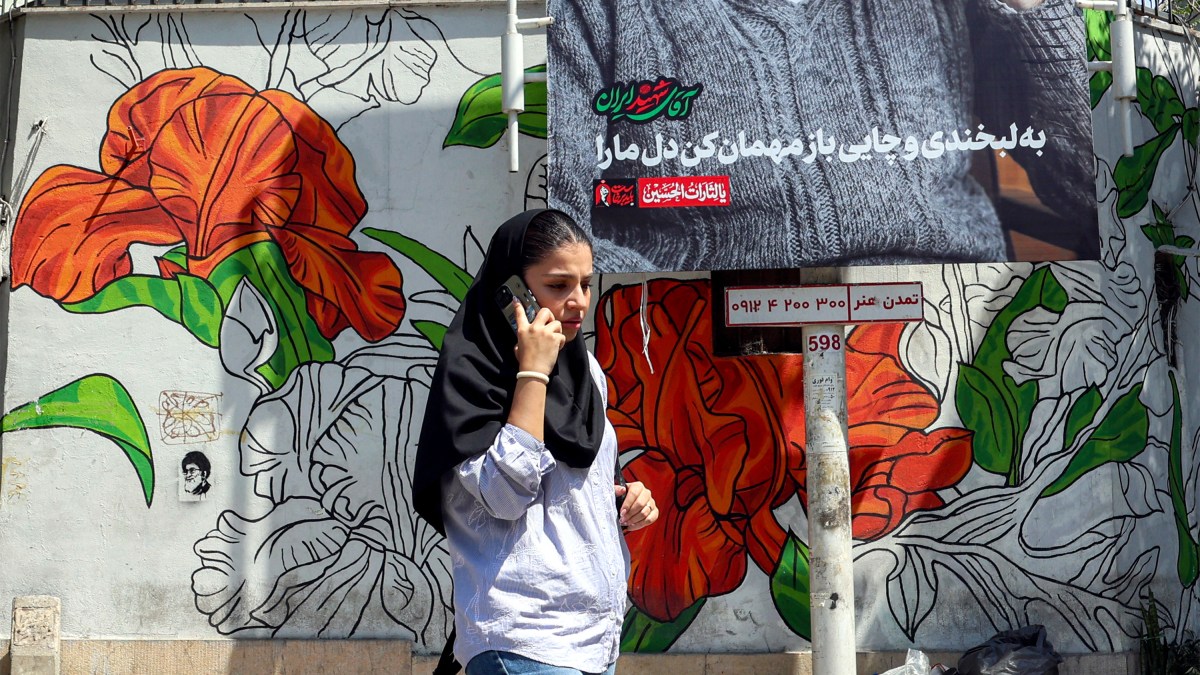
In a significant development, the United States and Iran held indirect technical talks in Doha, brokered by Qatari mediators and Pakistan, with no clear signs of progress towards a lasting peace but resolving some key issues from their previous interim agreement. The discussions took place amid escalating tensions over shipping routes in the Strait of Hormuz, which saw tit-for-tat military attacks between the two nations. Notably absent from the talks were Iran's top negotiators, Foreign Minister Abbas Araghchi and Speaker Mohammad Bagher Ghalibaf. However, Iran's Deputy Foreign Minister Kazem Gharibabadi confirmed that two meetings had taken place, addressing US violations of its obligations and the release of $6 billion in frozen Iranian funds. The US and Iran also reportedly discussed the Strait of Hormuz, Tehran's nuclear program, and the conflict in Lebanon. Meanwhile, Iran's parliament passed a law barring IAEA inspectors from accessing its nuclear sites, contradicting IAEA chief Rafael Grossi's statement that they would have to inspect Iranian nuclear sites under the Iran-US memorandum of understanding (MoU). The six-day funeral processions for former Iranian Supreme Leader Ali Khamenei, who was killed in a US-Israeli strike, are set to begin on Saturday in Iran and Iraq, with Pakistani Prime Minister Shehbaz Sharif among those expected to attend. The Qatari foreign ministry spokesman Majed al-Ansari announced positive progress in the talks, with parties agreeing to continue discussions over the coming period, with the next meeting scheduled as soon as possible following the conclusion of the funeral processions.
Filed underWorld
More stories
World
Oxford Returns Ancestral Naga Remains to India, Paving Way for Joint Memorial and Burial
Global Trend Scope Desk
World
The Odyssey's Global Journey Grounded: Singapore Seizes Stranded Cruise Ship Amidst Fuel Cost Crisis
Global Trend Scope Desk
World
Global Energy Superpowers Battle for Dominance: Implications on Climate and Consumer Costs
Global Trend Scope Desk
World
Honduras Delays Verdict in Sex-Trafficking Case Amidst Global Concerns Over Impunity
Global Trend Scope Desk
World
Global Diplomacy Intensifies: US Mediates Russia-Ukraine Peace Talks Amid Claims of Battlefield Successes
Global Trend Scope Desk
World
European Diplomats Advocate for Inclusion in Russia-Ukraine Peace Negotiations
Global Trend Scope Desk