NATO Commander Reports Progress in European Militarization Amid US Equipment Reduction
In a significant development, NATO's Supreme Allied Commander, U.S. General Alex Grynkewich, has reported that European allies have successfully addressed most of the military equipment gaps left by…
By Global Trend Scope Desk
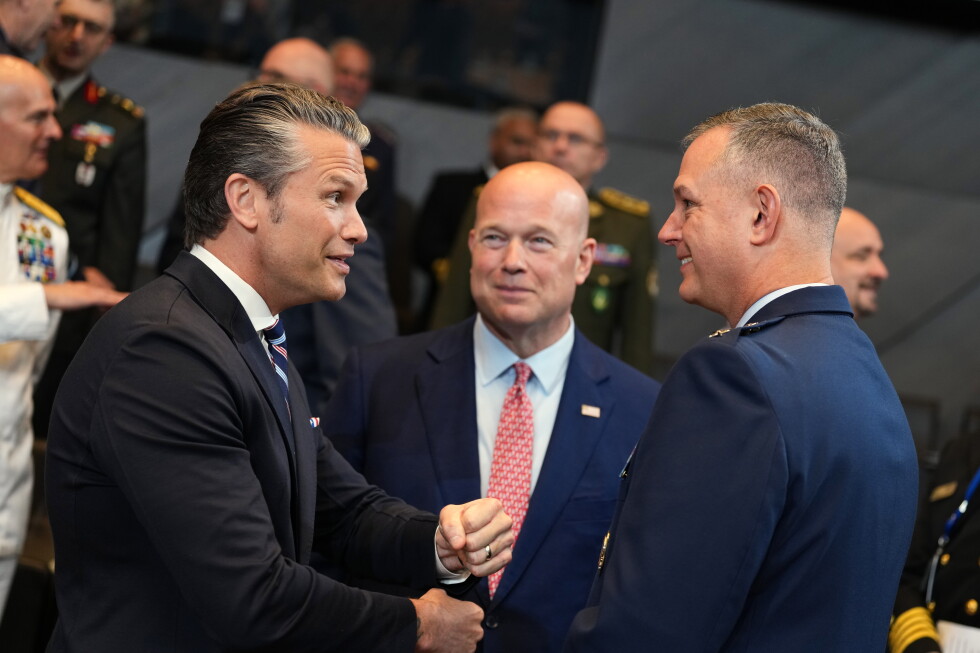
In a significant development, NATO's Supreme Allied Commander, U.S. General Alex Grynkewich, has reported that European allies have successfully addressed most of the military equipment gaps left by the United States' decision to reduce its contributions during crises. This move follows the US announcement on June 3rd, signaling a withdrawal of aircraft carriers, support ships, aerial refueling planes, and fighter jets, among other assets. Grynkewich emphasized the need for Europeans to contribute more equipment and has initiated contingency plans in case of an attack against Europe. The US decision, which came as a surprise to many allies, is part of a strategic shift towards potential threats from China in the Indo-Pacific region. In response, European allies and Canada have been reviewing their inventories to determine what resources could be offered in the event of an attack. Notably, Britain has placed a second aircraft carrier and F35 fighter jets on higher alert for emergency use. Despite these developments, NATO Secretary-General Jens Stoltenberg has downplayed the impact of the US decision, suggesting that the US would likely increase resources to Europe should conflict arise, as it did during the war on Iran. He also stressed that the focus is not on current force and asset locations but rather on who would take action in case of an Article 5 situation - a scenario where an attack on one NATO member is considered an attack on all, triggering collective defense measures without any obligation for military support from other members.
Filed underWorld
More stories
World
Oxford Returns Ancestral Naga Remains to India, Paving Way for Joint Memorial and Burial
Global Trend Scope Desk
World
The Odyssey's Global Journey Grounded: Singapore Seizes Stranded Cruise Ship Amidst Fuel Cost Crisis
Global Trend Scope Desk
World
Global Energy Superpowers Battle for Dominance: Implications on Climate and Consumer Costs
Global Trend Scope Desk
World
Honduras Delays Verdict in Sex-Trafficking Case Amidst Global Concerns Over Impunity
Global Trend Scope Desk
World
Global Diplomacy Intensifies: US Mediates Russia-Ukraine Peace Talks Amid Claims of Battlefield Successes
Global Trend Scope Desk
World
European Diplomats Advocate for Inclusion in Russia-Ukraine Peace Negotiations
Global Trend Scope Desk