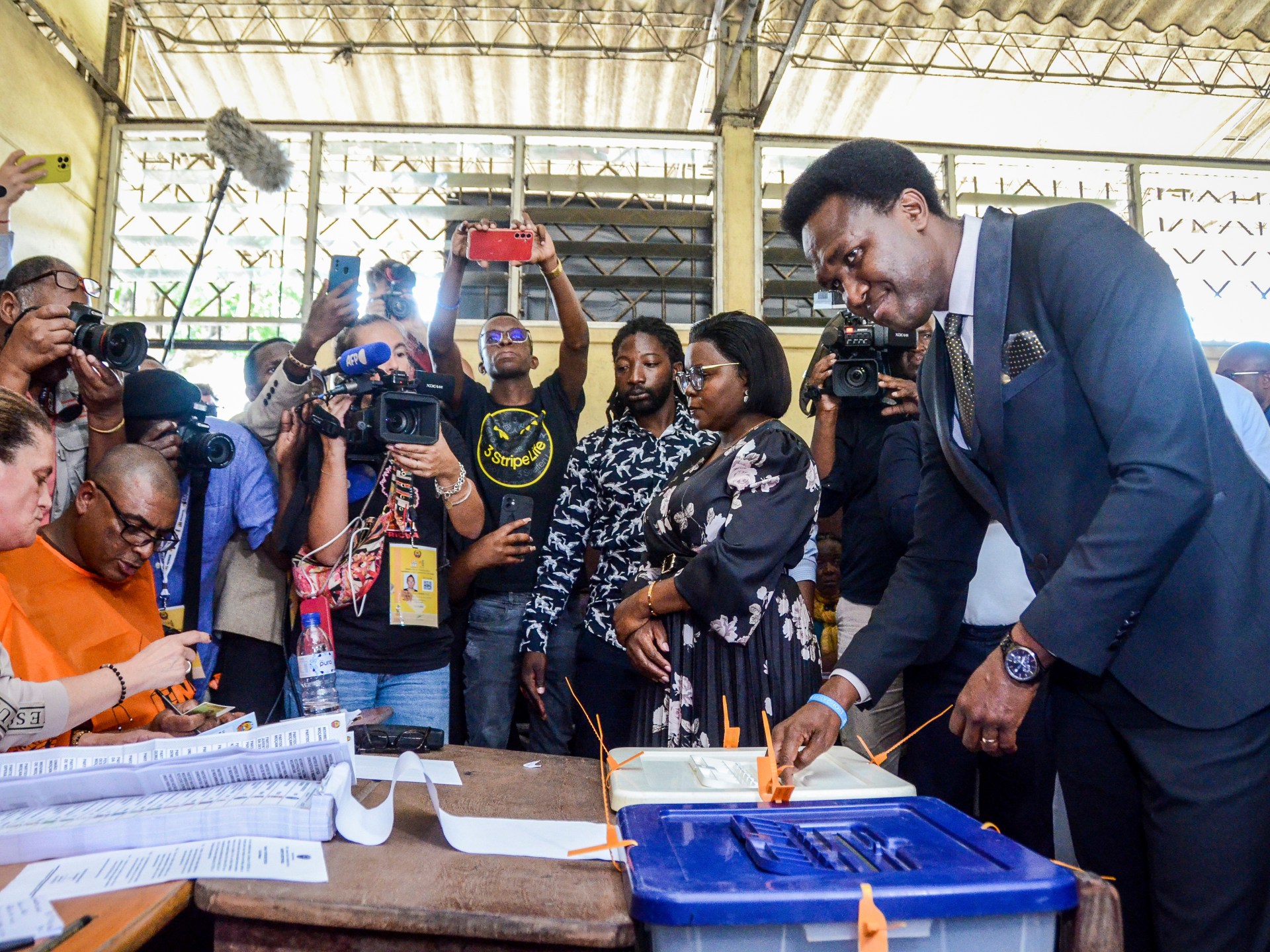
In a landmark trial, Venancio Mondlane, the opposition leader of Mozambique, is standing before the Supreme Court, accused of instigating "terrorism" following violent protests that erupted after disputed election results in 2024. The charges against Mondlane include incitement to terrorism, advocacy of crime, public incitement to a crime, and incitement of civil disobedience. The protests, which resulted in over 300 reported deaths, were triggered by Mondlane's second-place finish in the national elections that extended Frelimo's rule to more than half a century. Human Rights Watch has alleged political killings, widespread irregularities, and restrictions on freedom of expression and assembly during the election process. Frelimo denies any wrongdoing. The trial comes as a critical juncture in Mozambique's political landscape, with Mondlane's supporters viewing his prosecution as a warning against dissent, while authorities claim it is about upholding law and order.
---
As the Mozambican Supreme Court prepares to deliver judgment on opposition leader Venancio Mondlane, the global community watches with bated breath. Mondlane stands accused of instigating "terrorism" in relation to the deadly protests that followed the 2024 elections. The unrest began after Mondlane came second in the national polls, with President Daniel Chapo and his Frelimo party securing another term in power, extending their rule beyond five decades.
The allegations against Mondlane extend beyond terrorism charges to incitement of crime, public incitement to a crime, and incitement of civil disobedience. Thousands of people gathered for protests in response to his calls to organise against the election results. The trial comes amid claims of political killings, widespread irregularities, and restrictions on freedom of expression and assembly during the 2024 elections by Human Rights Watch. Frelimo denies any wrongdoing, while Amnesty International accuses authorities of waging a crackdown against demonstrators, with police allegedly using unlawful force, mass arbitrary arrests, and suppressing information.
The trial marks a significant turning point in Mozambique's political landscape, with Mondlane's supporters viewing his prosecution as a warning against dissent. In a Facebook livestream before the trial, Mondlane accused the government of attempting to silence him, stating that the message being sent is that one must remain silent and captive. However, Mondlane denies all charges against him, insisting that he is being used as an example to deter future opposition against the regime, an empire of kleptocracy, or the system of oppression that has been in place for 50 years.
---
In a highly anticipated trial, Mozambique's Supreme Court is set to rule on charges against opposition leader Venancio Mondlane. The charges stem from his alleged role in deadly protests that followed the 2024 elections, during which he came second to President Daniel Chapo and Frelimo party. Mondlane faces five charges, including instigating "terrorism," incitement of crime, public incitement to a crime, and incitement of civil disobedience.
The trial has sparked widespread debate and international interest as it unfolds against the backdrop of claims of political killings, widespread irregularities, and restrictions on freedom of expression and assembly during the 2024 elections by Human Rights Watch. Amnesty International accuses authorities of waging a crackdown against demonstrators, with police allegedly using unlawful force, mass arbitrary arrests, and suppressing information. Mondlane's supporters view his prosecution as a warning against dissent, while the government maintains it is about upholding law and order.
The trial comes at a critical juncture in Mozambique's political landscape, with Mondlane alleging that the government is attempting to silence him during a Facebook livestream before the trial. He stated that the message being sent is that one must remain silent and captive. However, Mondlane denies all charges against him, insisting that he is being used as an example to deter future opposition against the regime, an empire of kleptocracy, or the system of oppression that has been in place for 50 years. The verdict will have far-reaching implications for Mozambique's political future and its commitment to democratic principles.