Meta Expands Global Implementation of Age Verification for Teens on Social Platforms
In a move aimed at strengthening its commitment to protecting young users, Meta (previously Facebook) has announced the global rollout of an automated age-estimation technology.
By Global Trend Scope Desk
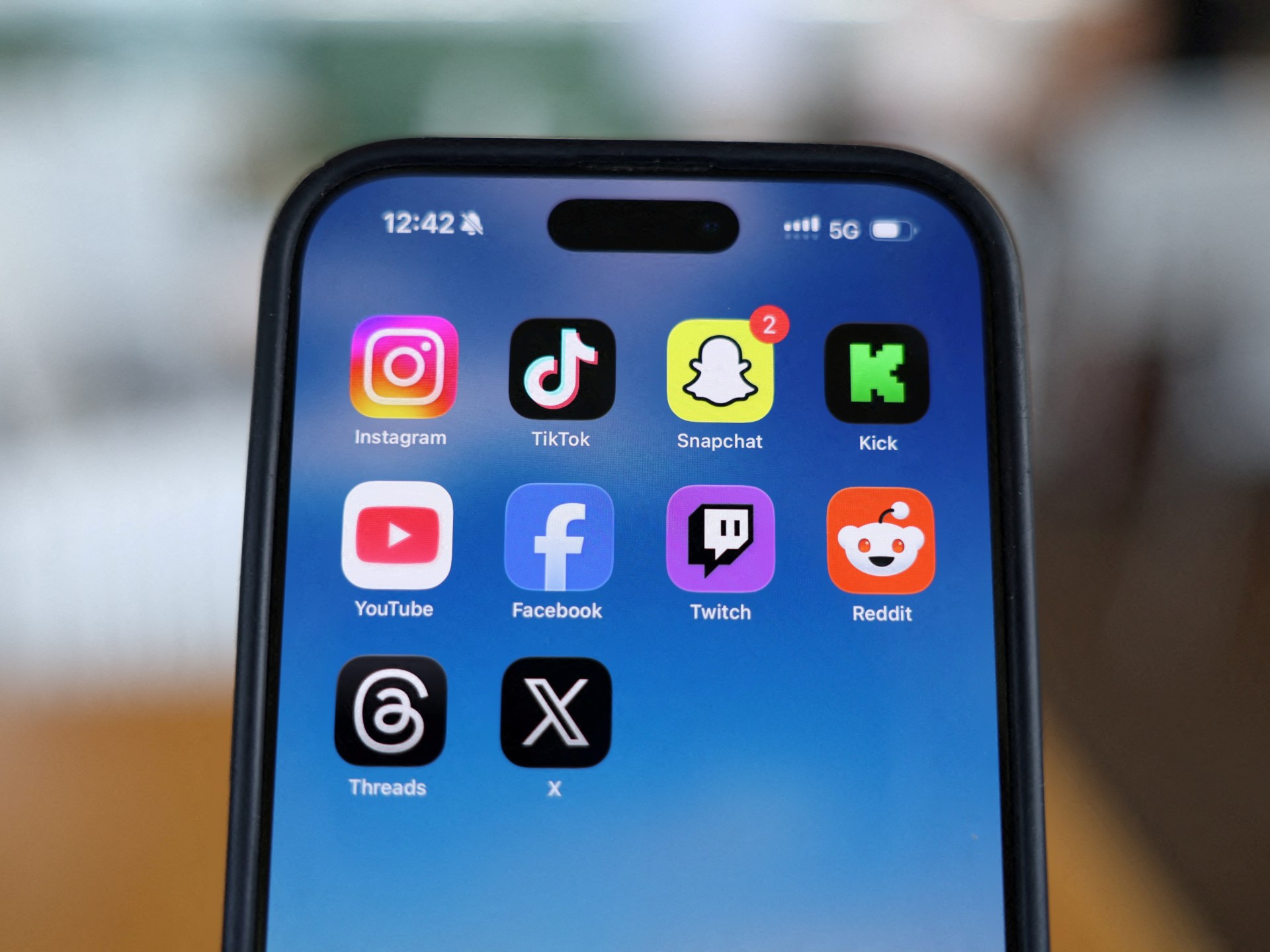
In a move aimed at strengthening its commitment to protecting young users, Meta (previously Facebook) has announced the global rollout of an automated age-estimation technology. Starting this month, Instagram accounts will be subjected to these AI-powered scans, with plans to extend the feature to Facebook and Threads later in the year. This decision comes amidst mounting criticism regarding the platforms' failure to safeguard teenagers from online harms, as well as billion-dollar legal settlements. The technology analyzes user behavior and posts to estimate age, helping Meta place more teens under age-appropriate protections. These protections include limitations on contact, content, and usage time, aiming to create a safer environment for teenagers. Concerns have been raised about minors bypassing parental controls by providing false birthdates during account setup, leading to potential exposure to harmful content. The age-estimation algorithm is already being tested in several countries, including the US, UK, Canada, and Australia. The implementation of this feature will automatically categorize accounts based on estimated age, even if a manually entered birthday was used to falsely indicate adulthood. Meta has different age categories with varying restrictions; for instance, children under 13 years are banned from using the apps. Teenagers face time limits and muted notifications at night, as well as a two-hour daily usage limit and blocks on social comparison features like likes and reactions to other teen accounts. As Meta faces growing legal action over its impact on teenagers, the company has agreed to pay $18 billion to US states to implement changes that can only be removed by parents or guardians. These changes include limiting under-18 users to two hours a day, enforcing a nighttime curfew, and restricting social comparison features. The new automated age estimation is part of Meta's call for other industry leaders like TikTok and YouTube to adopt similar practices to ensure teenagers' safety online.
Filed underTech
More stories
Tech
Qantas Streamlines IT Operations with Accenture Partnership, Outsourcing 850 Jobs
Global Trend Scope Desk
Tech
Australia Proposes Criminal Penalties for Tech Companies Negligent in AI Security Post OpenAI Hack Incident
Global Trend Scope Desk
Tech
Global AI Race Intensifies as Nvidia CEO Jensen Huang Investigated for Alleged Espionage
Global Trend Scope Desk
Tech
Global AI Race Complicated by Alleged Espionage Scandal Involving Nvidia CEO Jensen Huang
Global Trend Scope Desk
Tech
Nvidia's CEO Investigation: National Security Concerns and the Future of AI Leadership
Global Trend Scope Desk
Tech
Global Tech Trends and National Security Concerns: Nvidia Investigates CEO Jensen Huang Over Alleged Chinese Intelligence Ties
Global Trend Scope Desk