Israel's Strategic Expansion: Approval of 13 New Settlements in West Bank
In a move that has raised international concern, Israel's Security Cabinet has given the green light to establish 13 new settlements in the central occupied West Bank.
By Global Trend Scope Desk
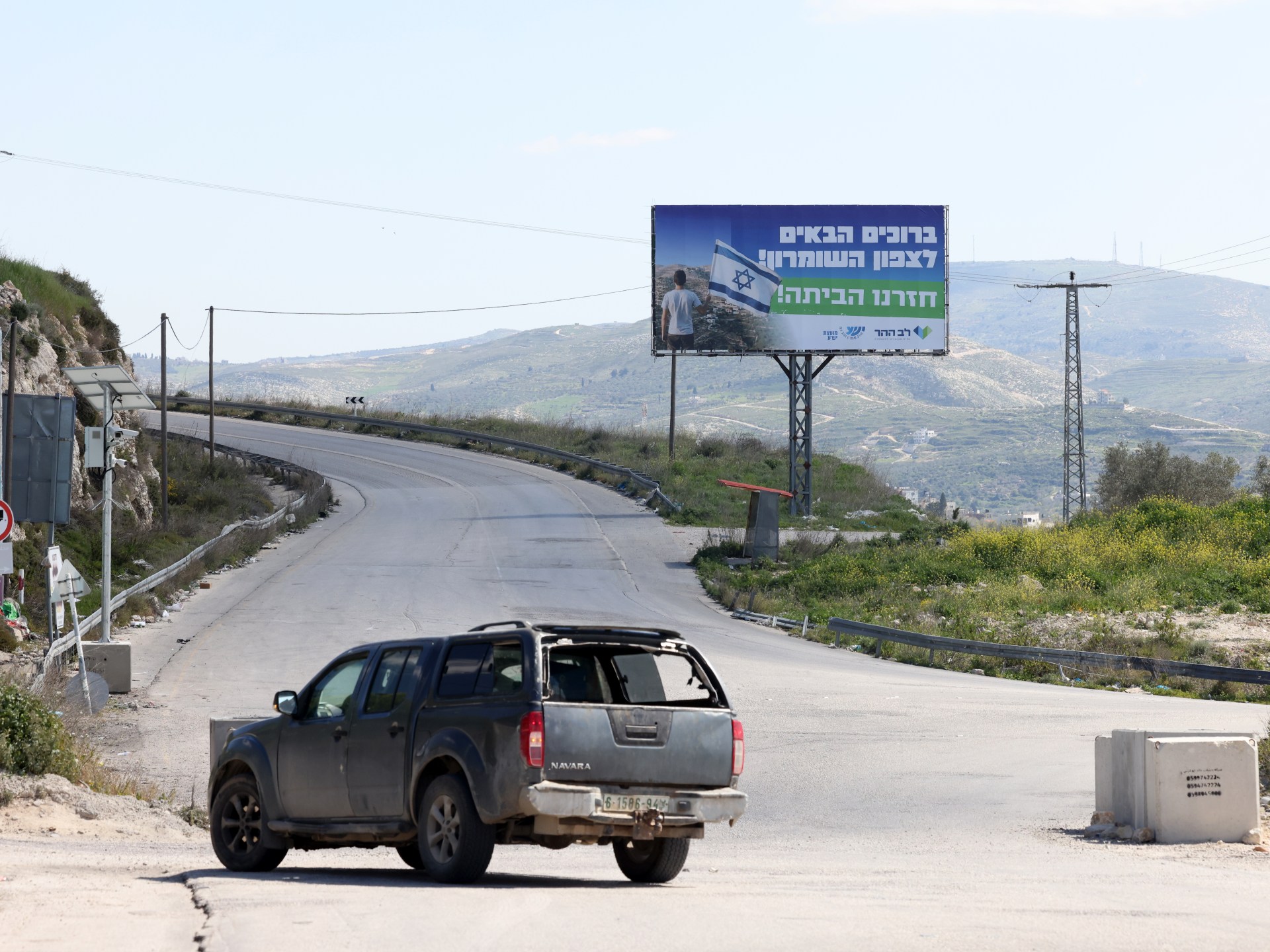
In a move that has raised international concern, Israel's Security Cabinet has given the green light to establish 13 new settlements in the central occupied West Bank. The plan, expected to commence in the coming months, primarily focuses on two main corridors: areas northwest of Jerusalem and west of Ramallah along Route 60, and territory extending eastward towards the Jordan Valley. The aim is to link settlement blocs, tighten Israeli control over strategic hilltops, and restrict Palestinian territorial continuity. This expansion is seen as a deliberate attempt to create new geographical realities on the ground, potentially undermining the prospects of establishing a contiguous Palestinian state. The surge in Israeli settlement activity, with an escalation from 8 outposts annually between 2012 and 2022 to 86 during 2025, is linked to domestic political calculations in Israel, particularly ahead of Knesset elections. Palestinian officials view this as a dangerous escalation and a violation of international law, calling on the international community to intervene. The plan's implementation follows reports suggesting that settlement movements may target Area A, territory under full Palestinian control, which would be a clear breach of the Oslo Accords. This strategic expansion has raised concerns about the viability of a two-state solution, with over 700,000 Israeli settlers now living in the West Bank and East Jerusalem territory captured by Israel in the 1967 war. The international community overwhelmingly considers these settlements illegal under international law.
Filed underWorld
More stories
World
Oxford Returns Ancestral Naga Remains to India, Paving Way for Joint Memorial and Burial
Global Trend Scope Desk
World
The Odyssey's Global Journey Grounded: Singapore Seizes Stranded Cruise Ship Amidst Fuel Cost Crisis
Global Trend Scope Desk
World
Global Energy Superpowers Battle for Dominance: Implications on Climate and Consumer Costs
Global Trend Scope Desk
World
Honduras Delays Verdict in Sex-Trafficking Case Amidst Global Concerns Over Impunity
Global Trend Scope Desk
World
Global Diplomacy Intensifies: US Mediates Russia-Ukraine Peace Talks Amid Claims of Battlefield Successes
Global Trend Scope Desk
World
European Diplomats Advocate for Inclusion in Russia-Ukraine Peace Negotiations
Global Trend Scope Desk