Israel Advances 'Green Rafah' Project, Stoking Concerns of Permanent Fragmentation of Gaza
In a move that has sparked controversy and alarm among analysts, Israel has given the green light for infrastructure work to commence in southern Gaza, as part of the 'Green Rafah' project.
By Global Trend Scope Desk
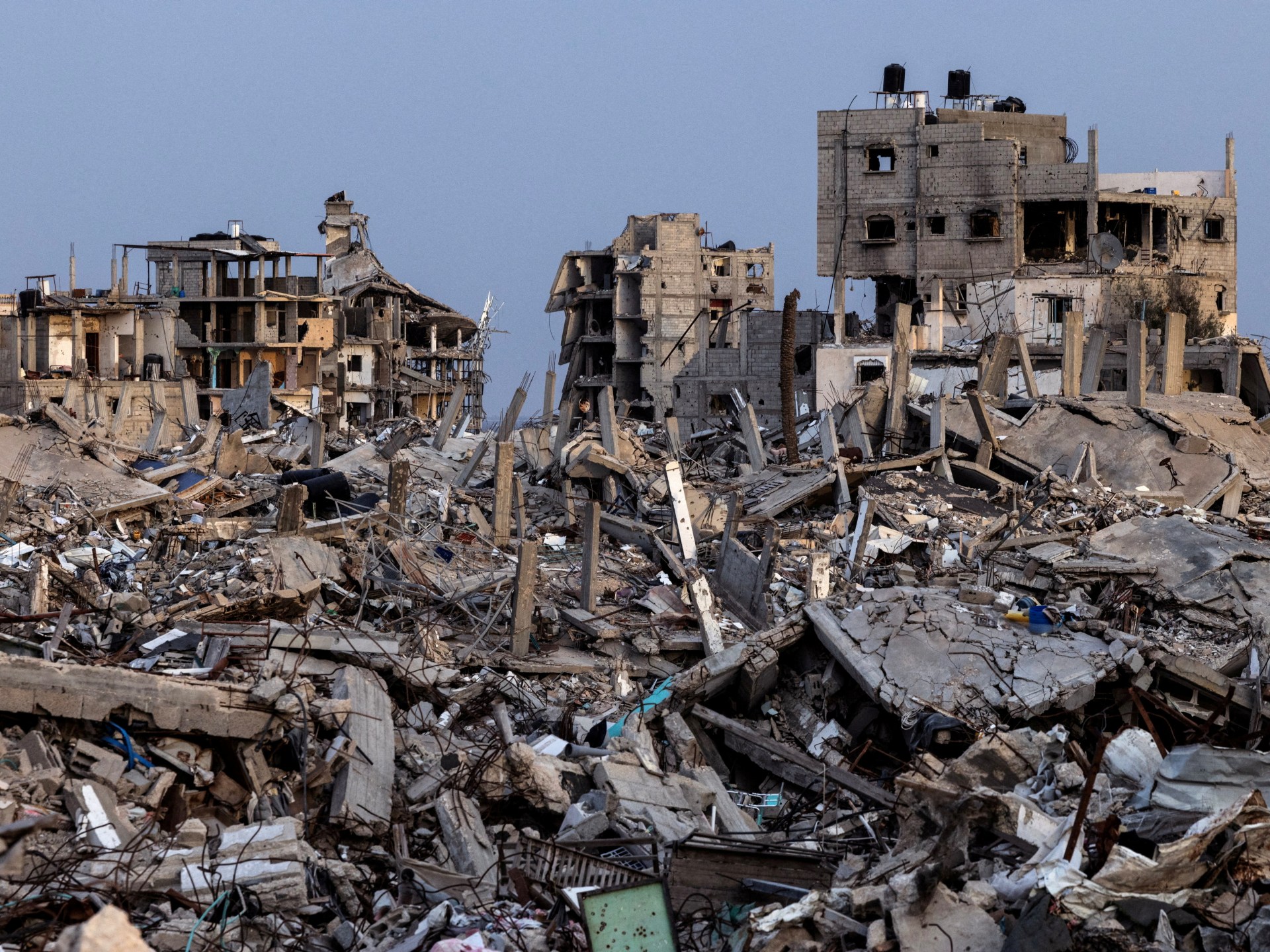
In a move that has sparked controversy and alarm among analysts, Israel has given the green light for infrastructure work to commence in southern Gaza, as part of the 'Green Rafah' project. Backed by Prime Minister Benjamin Netanyahu and Defence Minister Israel Katz, this Emirati-backed initiative aims to establish temporary housing areas "free" of Hamas influence. The project is situated near the Israeli buffer zones known as the Yellow Line, in eastern Rafah. While the Israeli military will oversee the installation of water, sewage, and electrical infrastructure, Palestinian laborers face stringent security screenings by the Shin Bet agency. Critics argue that this project, alongside Israel's ban on mobile homes until November, serves to fragment Gaza permanently and undermine the Palestinian cause. Analyst Ahmed al-Atawneh warns of the creation of isolated cantons under total Israeli administrative and security control, leaving Palestinians with limited choices: submission, resistance with potential consequences, or emigration. Meanwhile, Netanyahu has rejected a 15-point plan for Gaza proposed by the United States-led Board of Peace, calling for phased disarmament of Hamas and withdrawal of Israeli forces. The Israeli move comes as political negotiations over Gaza's future remain stalled, raising concerns about Israel's strategic intentions regarding humanitarian relief and long-term goals of demographic engineering and displacement. Furthermore, preparations are underway to deploy a limited International Stabilization Force (ISF), with countries such as Morocco and Uganda potentially contributing small contingents, far short of initial plans for a much larger multinational force. The mandate of this force remains a contentious issue, with Palestinians seeking protection from occupation and agreement implementation, while Israel aims to turn it into a security arm tasked with disarming resistance groups.
Filed underWorld
More stories
World
Oxford Returns Ancestral Naga Remains to India, Paving Way for Joint Memorial and Burial
Global Trend Scope Desk
World
The Odyssey's Global Journey Grounded: Singapore Seizes Stranded Cruise Ship Amidst Fuel Cost Crisis
Global Trend Scope Desk
World
Global Energy Superpowers Battle for Dominance: Implications on Climate and Consumer Costs
Global Trend Scope Desk
World
Honduras Delays Verdict in Sex-Trafficking Case Amidst Global Concerns Over Impunity
Global Trend Scope Desk
World
Global Diplomacy Intensifies: US Mediates Russia-Ukraine Peace Talks Amid Claims of Battlefield Successes
Global Trend Scope Desk
World
European Diplomats Advocate for Inclusion in Russia-Ukraine Peace Negotiations
Global Trend Scope Desk