Iran's Strategic Gamble Over the Strait of Hormuz: A Clash of Interests and Potential Consequences
In a bold move, Iranian leaders are asserting control over the strategic Strait of Hormuz, a waterway crucial for global energy supplies.
By Global Trend Scope Desk
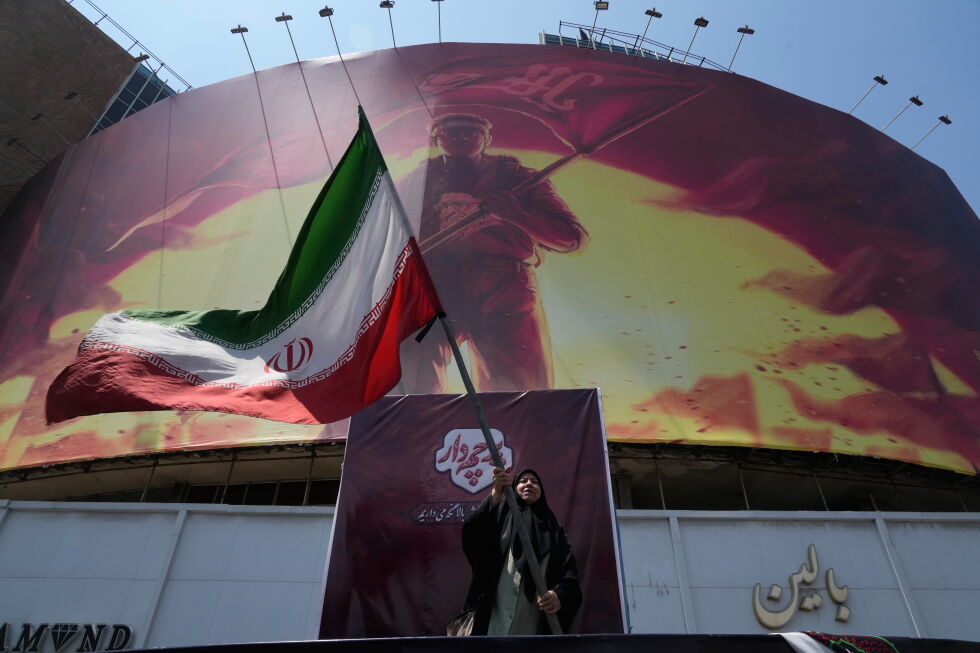
In a bold move, Iranian leaders are asserting control over the strategic Strait of Hormuz, a waterway crucial for global energy supplies. With the U.S.-Iran conflict escalating, Tehran believes that military pressure will compel the United States to accept its dominion over this vital waterway, capitalizing on American public discontent with the war and dwindling stocks of key weapons. However, Iran's strategy is fraught with risks, as U.S. President Donald Trump has demonstrated his capacity for retaliatory strikes, while also hinting at potential negotiations. Iran's own economy remains battered by U.S. sanctions, and internal protests against the regime are a constant threat. A deal with Oman to manage the strait may formalize Tehran's control over what was previously an open international waterway, but such a move could set a dangerous precedent for global navigation norms and potentially disrupt regional stability. The standoff in the Persian Gulf not only threatens to derail ongoing talks on Iran's nuclear program but also risks igniting a wider conflict with unpredictable consequences.
Filed underWorld
More stories
World
Oxford Returns Ancestral Naga Remains to India, Paving Way for Joint Memorial and Burial
Global Trend Scope Desk
World
The Odyssey's Global Journey Grounded: Singapore Seizes Stranded Cruise Ship Amidst Fuel Cost Crisis
Global Trend Scope Desk
World
Global Energy Superpowers Battle for Dominance: Implications on Climate and Consumer Costs
Global Trend Scope Desk
World
Honduras Delays Verdict in Sex-Trafficking Case Amidst Global Concerns Over Impunity
Global Trend Scope Desk
World
Global Diplomacy Intensifies: US Mediates Russia-Ukraine Peace Talks Amid Claims of Battlefield Successes
Global Trend Scope Desk
World
European Diplomats Advocate for Inclusion in Russia-Ukraine Peace Negotiations
Global Trend Scope Desk