Iran and Oman Inch Towards Strait of Hormuz Agreement Amid US Tensions
Iranian authorities are contemplating a finalized arrangement with Oman regarding the navigation routes for vessels through the strategically vital Strait of Hormuz.
By Global Trend Scope Desk
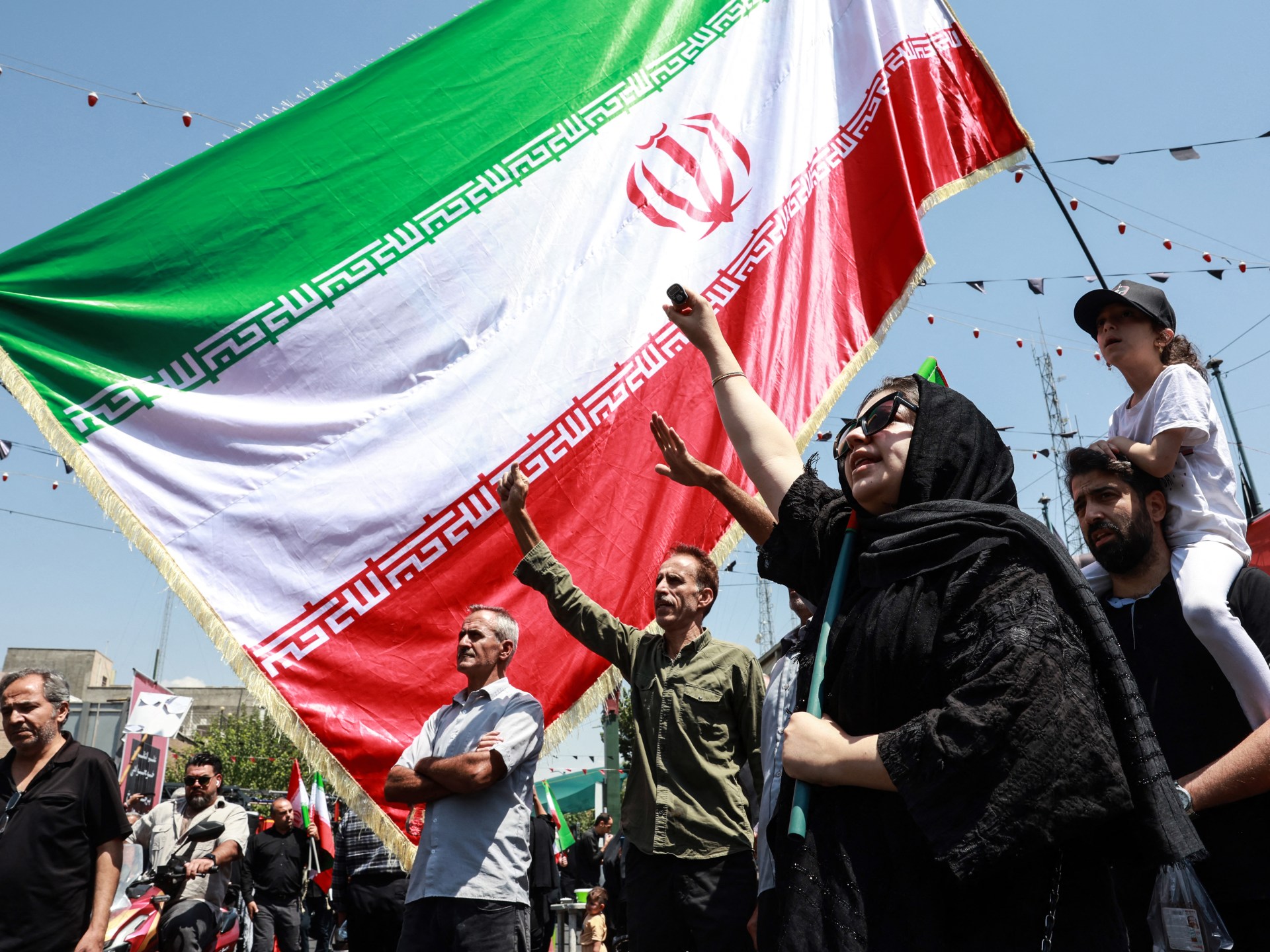
Iranian authorities are contemplating a finalized arrangement with Oman regarding the navigation routes for vessels through the strategically vital Strait of Hormuz. This development comes amidst ongoing uncertainties in relations with the United States, as top officials in Tehran assert that full reopening of the strait is contingent upon concessions from Washington. The agreement with Oman, which was described as "very close" by Foreign Minister Abbas Araghchi, could potentially restore some traffic to the strait, disrupted since February due to US and Israeli attacks on Iran. Inbound vessels are set to pass through a northern lane in Iranian territorial waters, while outbound traffic will utilize a southern lane in Omani waters, coordinated with Iran. However, the reopening of the Strait of Hormuz hinges upon the US abiding by commitments made in a June memorandum of understanding (MoU), which was violated. The Islamic Revolutionary Guard Corps (IRGC) has emphasized that the US will have to comply with conditions set by Iran to reopen the strategic strait, which is viewed as not just an economic waterway but also a source of power tied to Iran's geographical position. Meanwhile, tensions remain high in the region despite a decrease in military activity, and maritime security continues to be a major concern. The United Arab Emirates reported a missile attack on a vessel belonging to the Abu Dhabi National Oil Company (ADNOC) while crossing the Strait of Hormuz, underscoring the ongoing instability in the region.
Filed underWorld
More stories
World
Oxford Returns Ancestral Naga Remains to India, Paving Way for Joint Memorial and Burial
Global Trend Scope Desk
World
The Odyssey's Global Journey Grounded: Singapore Seizes Stranded Cruise Ship Amidst Fuel Cost Crisis
Global Trend Scope Desk
World
Global Energy Superpowers Battle for Dominance: Implications on Climate and Consumer Costs
Global Trend Scope Desk
World
Honduras Delays Verdict in Sex-Trafficking Case Amidst Global Concerns Over Impunity
Global Trend Scope Desk
World
Global Diplomacy Intensifies: US Mediates Russia-Ukraine Peace Talks Amid Claims of Battlefield Successes
Global Trend Scope Desk
World
European Diplomats Advocate for Inclusion in Russia-Ukraine Peace Negotiations
Global Trend Scope Desk