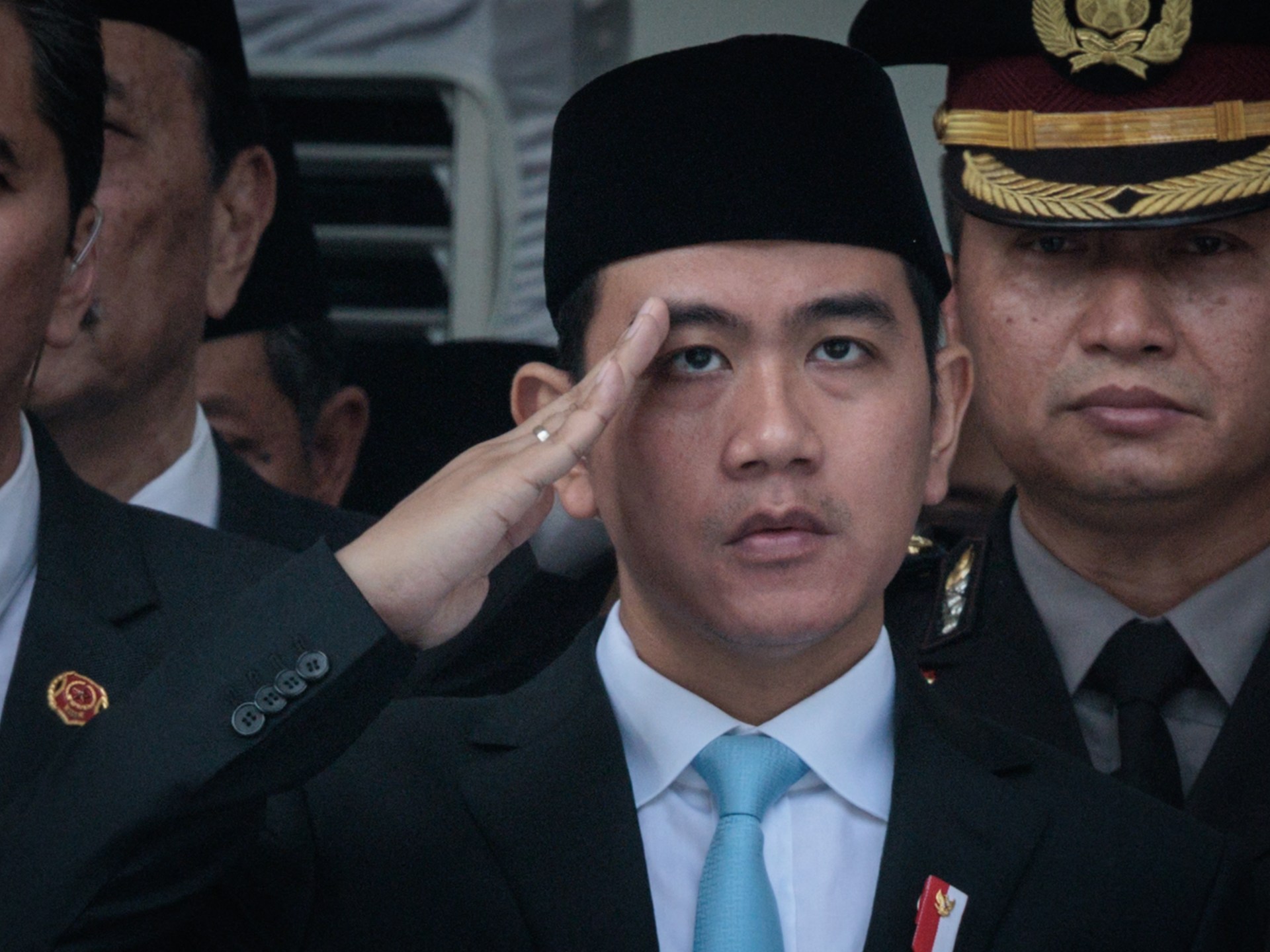
Indonesia's Vice President, Gibran Rakabuming Raka, has tendered his resignation in the midst of a controversy over his educational qualifications. The announcement comes amid growing public discontent with the government, marked by widespread protests against economic hardship, corruption, perceived authoritarianism, and the government's handling of wildfires.
On Thursday, Gibran submitted his resignation to President Prabowo Subianto and parliament. He is the eldest son of former President Joko Widodo, who was Prabowo's predecessor. The 39-year-old left office after serving two years of his five-year term due to growing questions about his eligibility following recent court rulings that disputed his educational credentials.
Under Indonesia's Constitution, a vacancy in the vice presidency does not trigger a new election. The position remains vacant until the People's Consultative Assembly elects a replacement from two candidates nominated by the president within 60 days. Gibran had initially offered to resign on Tuesday during a meeting with the president but there was uncertainty over whether his resignation offer was accepted.
The academic credentials investigation appears unrelated to an ongoing scandal involving allegations of wiretapping targeting the president. A subsequent petition submitted by 120 lawmakers from eight political parties has begun a parliamentary process that could lead to Gibran's impeachment. If found guilty, the House must ask the Constitutional Court to rule on whether a constitutional violation has occurred.
This latest development in Indonesian politics is occurring against a backdrop of significant public unrest, with thousands taking to the streets in recent weeks to protest the government's handling of various issues. The resignation of Gibran Rakabuming Raka adds another layer of complexity to an already volatile political landscape.