ICE to Equip All Field Officers with Body Cameras by August End: Transparency Amid Scrutiny
In a move aimed at enhancing transparency and accountability, the U.S. Immigration and Customs Enforcement (ICE) has announced plans to equip every field officer with body cameras by the end of…
By Global Trend Scope Desk
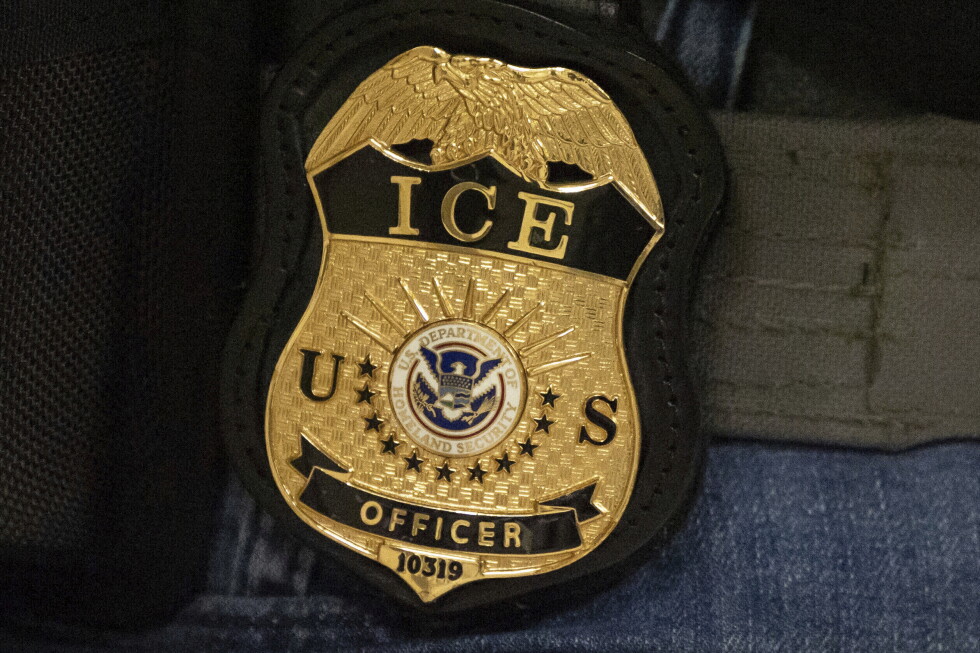
In a move aimed at enhancing transparency and accountability, the U.S. Immigration and Customs Enforcement (ICE) has announced plans to equip every field officer with body cameras by the end of August. This rapid expansion in the use of body-worn cameras could potentially offer an unparalleled visual record of immigration enforcement operations. However, the release of this footage remains largely discretionary, as per ICE's policy which allows for withholding or delayed release of footage following serious injuries or deaths in custody. Amidst questions about these provisions, Acting Director David J. Venturella defended the policy, stating that it is designed to protect investigations and privacy, aligning with federal law and practices at other federal law enforcement agencies. In response to an Associated Press report on ICE's body-worn camera policy, Venturella clarified that footage should not be released if doing so could potentially compromise ongoing investigations or privacy concerns. The announcement comes amid heightened scrutiny of ICE following the fatal shooting in July of a 25-year-old motorist in Maine by an ICE officer with a history of violent behavior, and another shooting in Houston that resulted in the death of a homebuilder. Neither incident was recorded on body cameras. Venturella reiterated ICE's commitment to transparency and accountability, asserting that they are on track to implement this policy by the end of August. Professor Christopher Schneider, a sociology professor at Brandon University in Canada, noted that selective releases are common in some law enforcement agencies but that ICE's policy appears to make its intentions clearer than usual. The story also highlighted that ICE's sister agency, Customs and Border Protection, has yet to release footage of the fatal shooting of Alex Pretti in Minneapolis in January, with CBP Commissioner Rodney Scott stating it was part of an ongoing investigation and would be made public "when appropriate."
Filed underWorld
More stories
World
Oxford Returns Ancestral Naga Remains to India, Paving Way for Joint Memorial and Burial
Global Trend Scope Desk
World
The Odyssey's Global Journey Grounded: Singapore Seizes Stranded Cruise Ship Amidst Fuel Cost Crisis
Global Trend Scope Desk
World
Global Energy Superpowers Battle for Dominance: Implications on Climate and Consumer Costs
Global Trend Scope Desk
World
Honduras Delays Verdict in Sex-Trafficking Case Amidst Global Concerns Over Impunity
Global Trend Scope Desk
World
Global Diplomacy Intensifies: US Mediates Russia-Ukraine Peace Talks Amid Claims of Battlefield Successes
Global Trend Scope Desk
World
European Diplomats Advocate for Inclusion in Russia-Ukraine Peace Negotiations
Global Trend Scope Desk