Gulf Countries Pursue Security Diversification in Response to US-Iran Conflict and Regional Instability
Following the potential US-Israel war on Iran, analysts predict an acceleration of Gulf Cooperation Council (GCC) nations' efforts to diversify their security partnerships.
By Global Trend Scope Desk
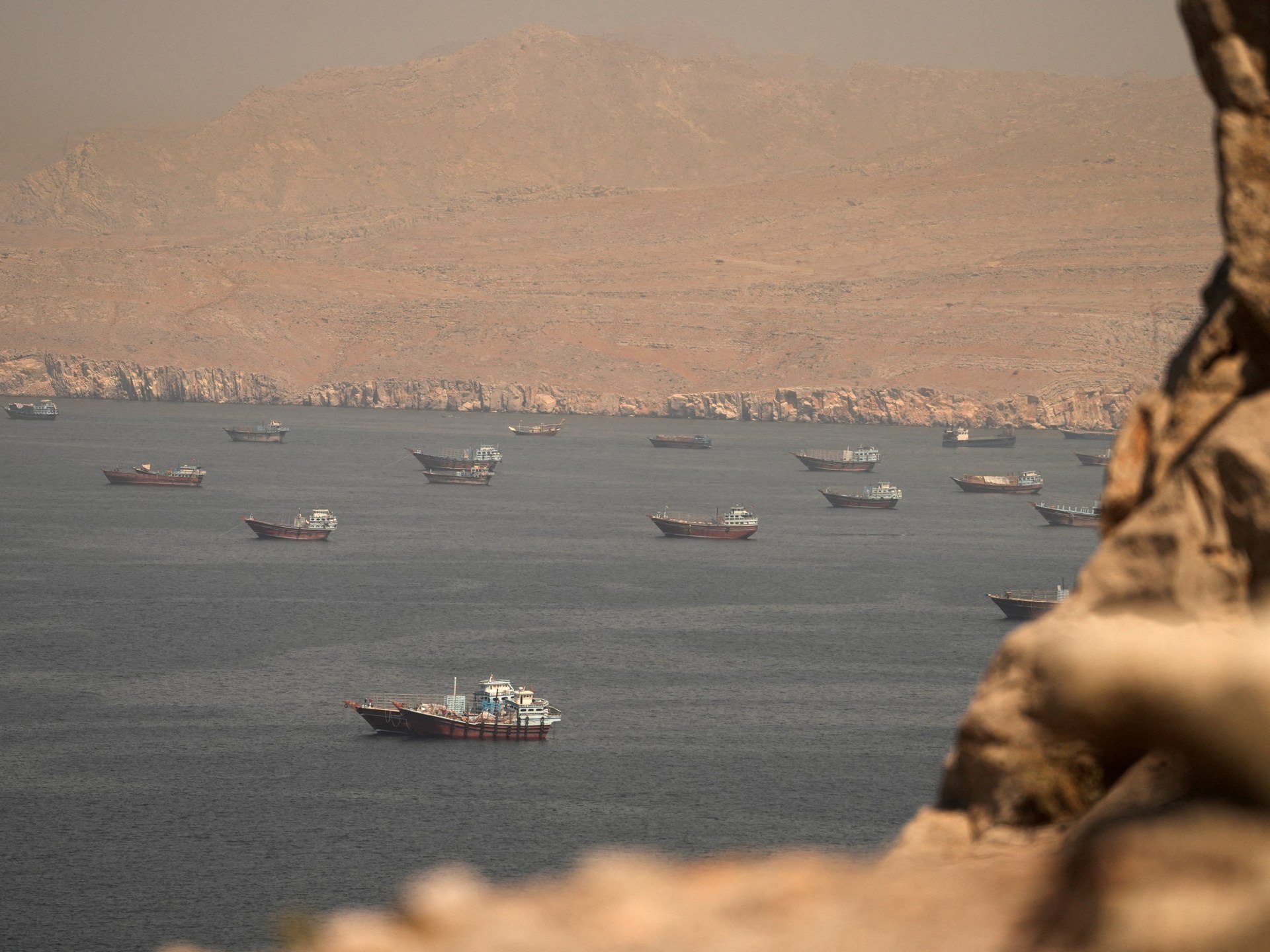
Following the potential US-Israel war on Iran, analysts predict an acceleration of Gulf Cooperation Council (GCC) nations' efforts to diversify their security partnerships. The ongoing tensions between Tehran and Washington have prompted these countries, which came under attack during the conflict, to expand their relationships. For instance, Saudi Arabia has signed a defence pact with Pakistan, an alliance that could extend to other regional states. In addition, Gulf nations have been purchasing defence systems from European countries while maintaining friendly ties with Russia and China, a practice that is expected to intensify in the aftermath of the conflict. Anna Jacobs Khalaf, a non-resident fellow at the Arab Gulf States Institute, emphasized that this diversification does not aim to replace the US but rather to create a more balanced regional power structure and counter both Iranian and Israeli aggression. The US and Israel's attack on Iran and Tehran's subsequent response against the Arabian Peninsula have created an "unprecedented security crisis" for GCC members, leading some capitals to reconsider their reliance on the US as a security guarantor. Furthermore, GCC countries are exploring deepening ties with China, Turkey, and Europe as they seek to maintain their security relationship with the US while also improving economic relations with Iran. Some experts suggest that Gulf states may attempt to deter future Iranian attacks by tying themselves more closely to Iran through economic incentives such as investments in infrastructure. The US Vice President JD Vance recently indicated this strategy, highlighting conversations between the Emiratis and Iranians regarding various types of economic incentives to make Iran investable. These developments signal a shift towards regional autonomy and the pursuit of diverse security alliances among Gulf nations in response to the ongoing instability caused by the US-Iran conflict.
Filed underWorld
More stories
World
Oxford Returns Ancestral Naga Remains to India, Paving Way for Joint Memorial and Burial
Global Trend Scope Desk
World
The Odyssey's Global Journey Grounded: Singapore Seizes Stranded Cruise Ship Amidst Fuel Cost Crisis
Global Trend Scope Desk
World
Global Energy Superpowers Battle for Dominance: Implications on Climate and Consumer Costs
Global Trend Scope Desk
World
Honduras Delays Verdict in Sex-Trafficking Case Amidst Global Concerns Over Impunity
Global Trend Scope Desk
World
Global Diplomacy Intensifies: US Mediates Russia-Ukraine Peace Talks Amid Claims of Battlefield Successes
Global Trend Scope Desk
World
European Diplomats Advocate for Inclusion in Russia-Ukraine Peace Negotiations
Global Trend Scope Desk