Global Trends: Rwanda and DRC Navigate Peace Accords Amid Allegations of Armed Group Support
In a forward-looking analysis, the ongoing conflict between Rwanda and the Democratic Republic of Congo (DRC) is rooted in persistent allegations of armed group support on both sides.
By Global Trend Scope Desk
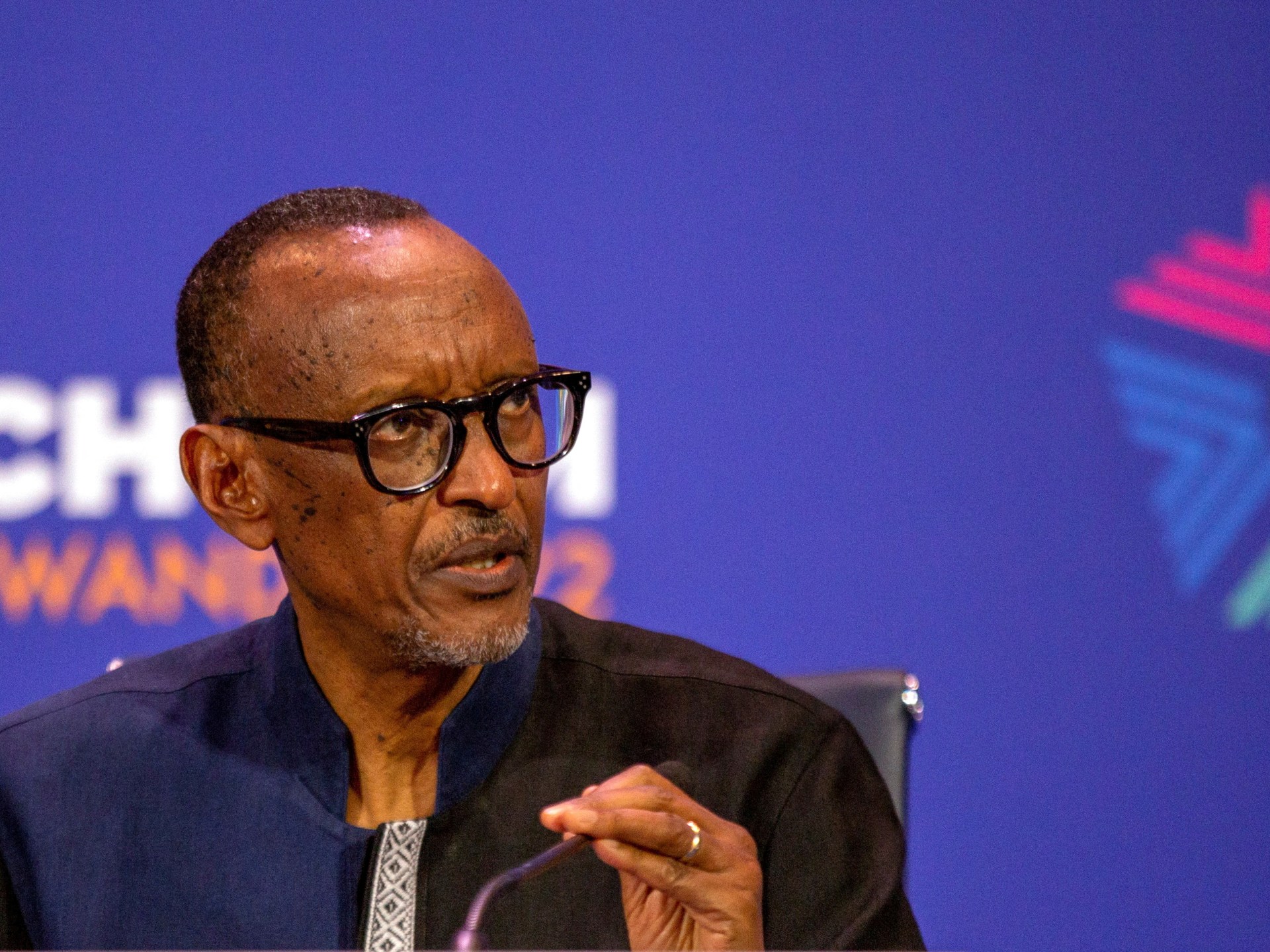
In a forward-looking analysis, the ongoing conflict between Rwanda and the Democratic Republic of Congo (DRC) is rooted in persistent allegations of armed group support on both sides. Rwandan President Paul Kagame has accused Congolese authorities of arming the Democratic Forces for the Liberation of Rwanda (FDLR), a Hutu armed group, on DRC soil, which Kigali claims poses a threat to its security. Meanwhile, Kinshasa alleges that Rwanda supports the M23 movement in eastern DRC and has sent troops into Congolese territory. Evidence provided by Rwanda includes testimonies from former FDLR members who have voluntarily returned or been captured. In an effort to verify a ceasefire, a delegation from the joint mechanism tasked with verifying compliance under the Doha peace agreement arrived in South Kivu province, eastern DRC, on August 24, 2025, with logistical support from MONUSCO. This development marks a significant step towards resolving regional tensions and fostering sustainable peace between Rwanda and the DRC. The peace agreement signed in Washington, D.C., on June 27, 2025, included provisions to end support for armed groups, respect sovereignty, and coordinate security efforts, as well as plans for regional economic integration. Qatar, the US, Togo, Switzerland, and the African Union are overseeing the implementation of this agreement, which also resulted in the signing of the Doha Framework Agreement for Peace on November 15, 2025, between the DRC government and the M23 movement. The peace process initiated by Qatar's Emir Sheikh Tamim bin Hamad Al Thani in March 2025 has opened two separate tracks: one between Rwanda and the DRC, and another among parties to the conflict in the DRC, paving the way for a more secure and prosperous future for the region.
Filed underWorld
More stories
World
Oxford Returns Ancestral Naga Remains to India, Paving Way for Joint Memorial and Burial
Global Trend Scope Desk
World
The Odyssey's Global Journey Grounded: Singapore Seizes Stranded Cruise Ship Amidst Fuel Cost Crisis
Global Trend Scope Desk
World
Global Energy Superpowers Battle for Dominance: Implications on Climate and Consumer Costs
Global Trend Scope Desk
World
Honduras Delays Verdict in Sex-Trafficking Case Amidst Global Concerns Over Impunity
Global Trend Scope Desk
World
Global Diplomacy Intensifies: US Mediates Russia-Ukraine Peace Talks Amid Claims of Battlefield Successes
Global Trend Scope Desk
World
European Diplomats Advocate for Inclusion in Russia-Ukraine Peace Negotiations
Global Trend Scope Desk