Global Trends and the Environmental Impact of Data Centers: A Case Study in Lowell, Massachusetts
In an era marked by the rapid expansion of artificial intelligence (AI) and data centers, concerns about their environmental and societal impact are heating up.
By Global Trend Scope Desk
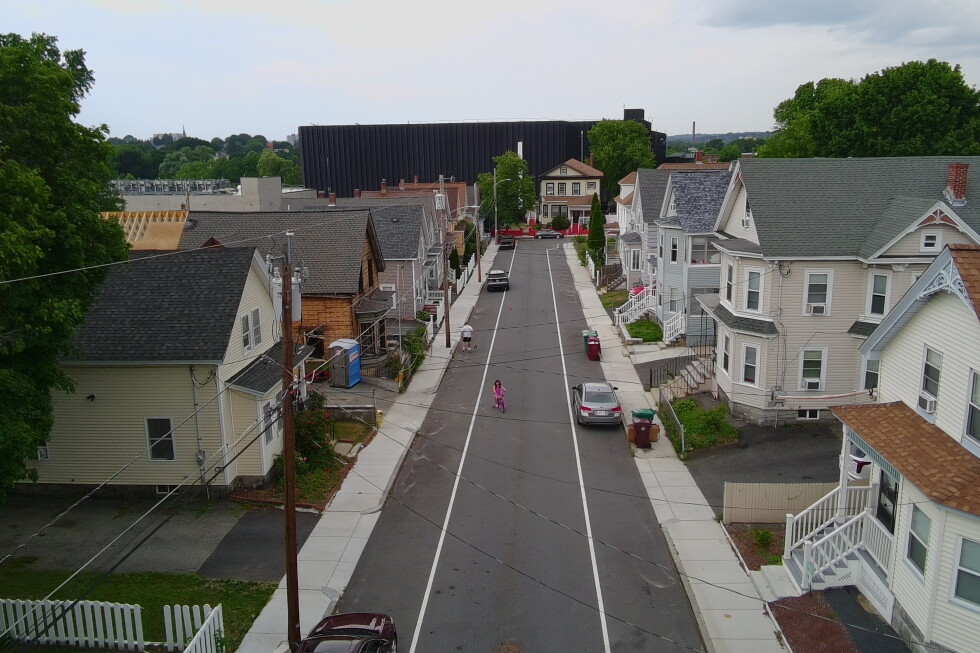
In an era marked by the rapid expansion of artificial intelligence (AI) and data centers, concerns about their environmental and societal impact are heating up. During a heatwave, the energy-intensive cooling systems of these facilities strain power grids, worsening air quality in surrounding communities. Lowell, Massachusetts, a racially diverse city northwest of Boston, serves as a prime example of this growing problem. The Markley Group's data center, situated in the heart of the Sacred Heart neighborhood, has become a focal point of contention due to its reliance on backup diesel generators, which emit harmful pollutants. State Representative Tara Hong, representing a heavily Cambodian American district in Lowell, emphasizes that the area is predominantly low-income and working families, who are particularly vulnerable to the environmental hazards posed by these facilities. The data center's operation during heatwaves, according to Professor Shaolei Ren of the University of California, Riverside, can exacerbate local air quality issues significantly. Despite claims of environmental mitigation efforts such as tree planting, concerns persist about the facility's impact on the community. In response to mounting opposition, Lowell's City Council has imposed a one-year moratorium on further data center expansion. As the AI industry continues its rapid growth, it is crucial for policymakers and developers to address these environmental and social concerns proactively to ensure sustainable and equitable development.
Filed underWorld
More stories
World
Oxford Returns Ancestral Naga Remains to India, Paving Way for Joint Memorial and Burial
Global Trend Scope Desk
World
The Odyssey's Global Journey Grounded: Singapore Seizes Stranded Cruise Ship Amidst Fuel Cost Crisis
Global Trend Scope Desk
World
Global Energy Superpowers Battle for Dominance: Implications on Climate and Consumer Costs
Global Trend Scope Desk
World
Honduras Delays Verdict in Sex-Trafficking Case Amidst Global Concerns Over Impunity
Global Trend Scope Desk
World
Global Diplomacy Intensifies: US Mediates Russia-Ukraine Peace Talks Amid Claims of Battlefield Successes
Global Trend Scope Desk
World
European Diplomats Advocate for Inclusion in Russia-Ukraine Peace Negotiations
Global Trend Scope Desk