Global Spotlight: Persisting Issue of Corporal Punishment in Indian Schools Despite Legal Prohibition
A tragic incident in Visakhapatnam, India, has brought to light the continued prevalence of corporal punishment in schools, over a decade after it was outlawed.
By Global Trend Scope Desk
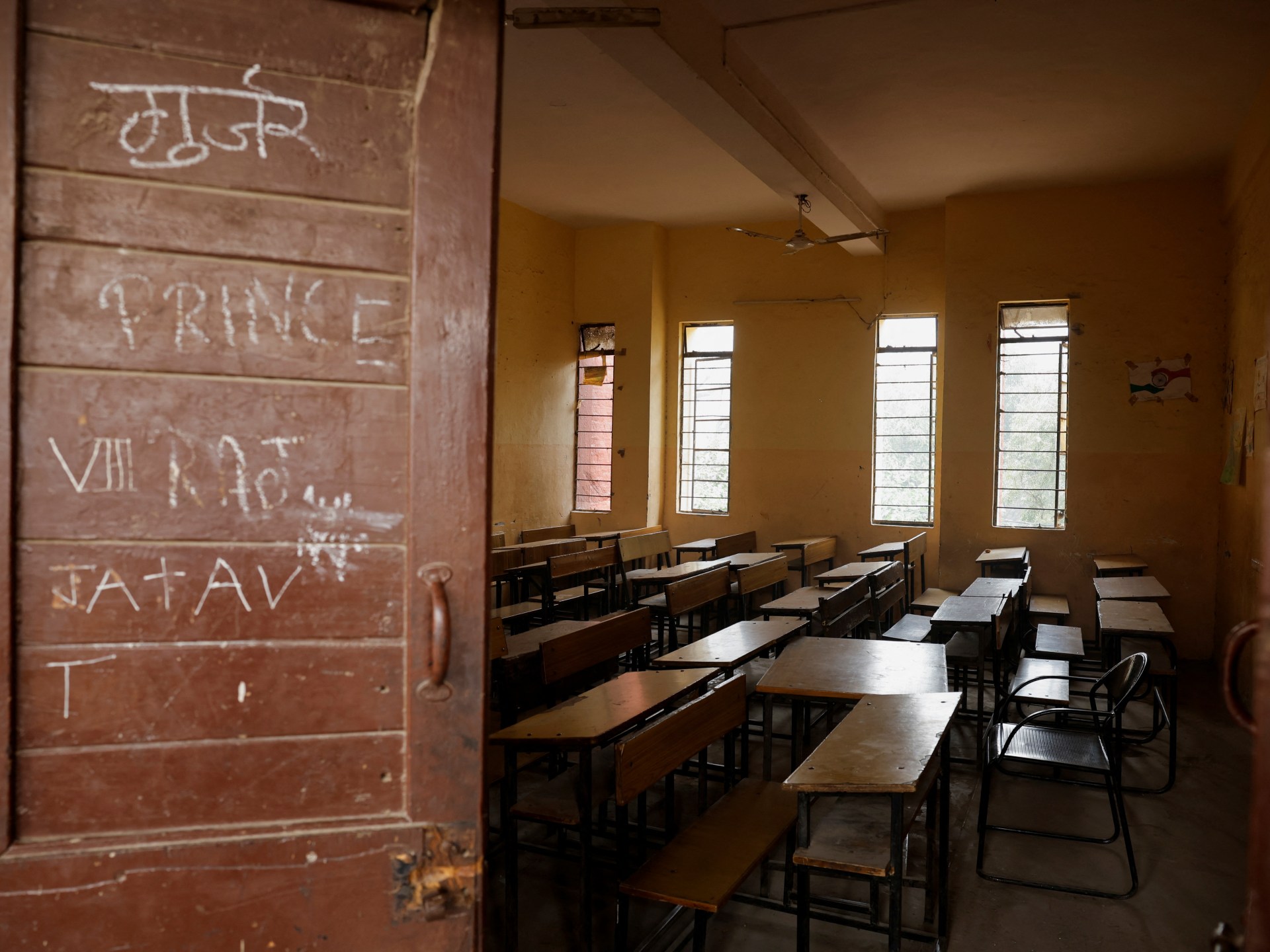
A tragic incident in Visakhapatnam, India, has brought to light the continued prevalence of corporal punishment in schools, over a decade after it was outlawed. Six-year-old Pranay Teja's death, following a teacher's physical abuse for failing to complete homework, has sparked nationwide debate and calls for stricter enforcement of anti-corporal punishment laws. The Right of Children to Free and Compulsory Education (RTE) Act, enacted in 2009, explicitly prohibits physical punishment and mental harassment of children, yet gaps between law and classroom reality persist, particularly in schools serving poor, rural, and marginalized communities. A study by Agrasar revealed that 80% of low-income schoolchildren in Gurugram reported being beaten multiple times a week, with parental approval and usage at home. Legal expert Kawalpreet Kaur attributes the problem to the RTE Act not creating a strong standalone criminal offence, leading to cases being treated as minor incidents and buried due to school authorities' protection of teachers and pressure on families to settle matters quietly. The continued normalization and systematization of corporal punishment within the education system can be traced back to ancient India's rigid caste system, according to historian Ruchika Sharma, with the practice predating British rule by centuries. This historical context raises questions about the long-term impact of colonialism on Indian education and the challenges in eradicating corporal punishment in modern times.
Filed underWorld
More stories
World
Oxford Returns Ancestral Naga Remains to India, Paving Way for Joint Memorial and Burial
Global Trend Scope Desk
World
The Odyssey's Global Journey Grounded: Singapore Seizes Stranded Cruise Ship Amidst Fuel Cost Crisis
Global Trend Scope Desk
World
Global Energy Superpowers Battle for Dominance: Implications on Climate and Consumer Costs
Global Trend Scope Desk
World
Honduras Delays Verdict in Sex-Trafficking Case Amidst Global Concerns Over Impunity
Global Trend Scope Desk
World
Global Diplomacy Intensifies: US Mediates Russia-Ukraine Peace Talks Amid Claims of Battlefield Successes
Global Trend Scope Desk
World
European Diplomats Advocate for Inclusion in Russia-Ukraine Peace Negotiations
Global Trend Scope Desk