Global Seafarers at Risk as Strait of Hormuz Becomes Danger Zone Amidst US-Iran Conflict
In the wake of the nine-month US-Israeli conflict with Iran, international shipping corridors have become increasingly perilous for seafarers.
By Global Trend Scope Desk
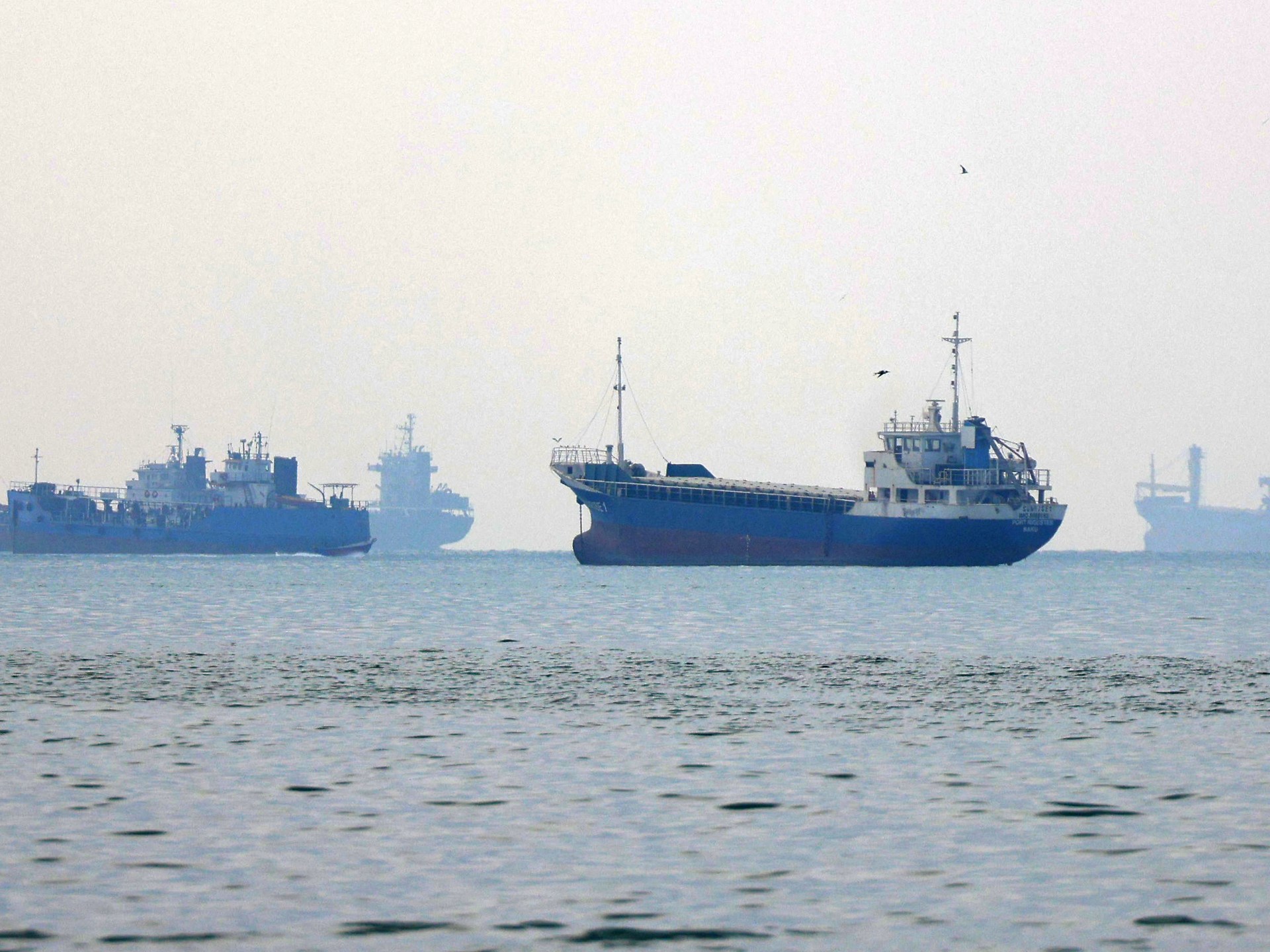
In the wake of the nine-month US-Israeli conflict with Iran, international shipping corridors have become increasingly perilous for seafarers. The Strait of Hormuz, a crucial oil and gas passage connecting the Gulf to the Arabian Sea, has been subjected to repeated attacks on commercial vessels since February 28. These assaults, involving missiles, projectiles, and naval mines, have resulted in at least 129 reported incidents and the deaths of at least 25 seafarers, primarily from countries such as India - a major supplier of merchant sailors worldwide. The International Chamber of Shipping (ICS) has expressed concern over the safety of civilian crews amidst these volatile conditions, highlighting the need for all parties to prioritize the safety of seafarers who are merely performing their duties. Aside from the risk of death or injury, seafarers' mental health is also being affected by this prolonged conflict. Approximately 6,000 seafarers were stranded near the Strait of Hormuz in October, and maritime unions and shipping companies have negotiated arrangements to provide seafarers with the option to refuse dangerous assignments and receive company-funded repatriation and compensation. However, these protections do not cover every seafarer, and mental health support remains a pressing concern for many who are experiencing loneliness, anxiety, and distress in this volatile region.
Filed underWorld
More stories
World
Oxford Returns Ancestral Naga Remains to India, Paving Way for Joint Memorial and Burial
Global Trend Scope Desk
World
The Odyssey's Global Journey Grounded: Singapore Seizes Stranded Cruise Ship Amidst Fuel Cost Crisis
Global Trend Scope Desk
World
Global Energy Superpowers Battle for Dominance: Implications on Climate and Consumer Costs
Global Trend Scope Desk
World
Honduras Delays Verdict in Sex-Trafficking Case Amidst Global Concerns Over Impunity
Global Trend Scope Desk
World
Global Diplomacy Intensifies: US Mediates Russia-Ukraine Peace Talks Amid Claims of Battlefield Successes
Global Trend Scope Desk
World
European Diplomats Advocate for Inclusion in Russia-Ukraine Peace Negotiations
Global Trend Scope Desk