Global Greenhouse Gas Emissions: A Comprehensive Analysis of Major Contributors and Trends
World leaders convene at COP31, the annual United Nations climate summit in Antalya, Turkiye (November 9-20), against a backdrop of escalating greenhouse gas emissions.
By Global Trend Scope Desk
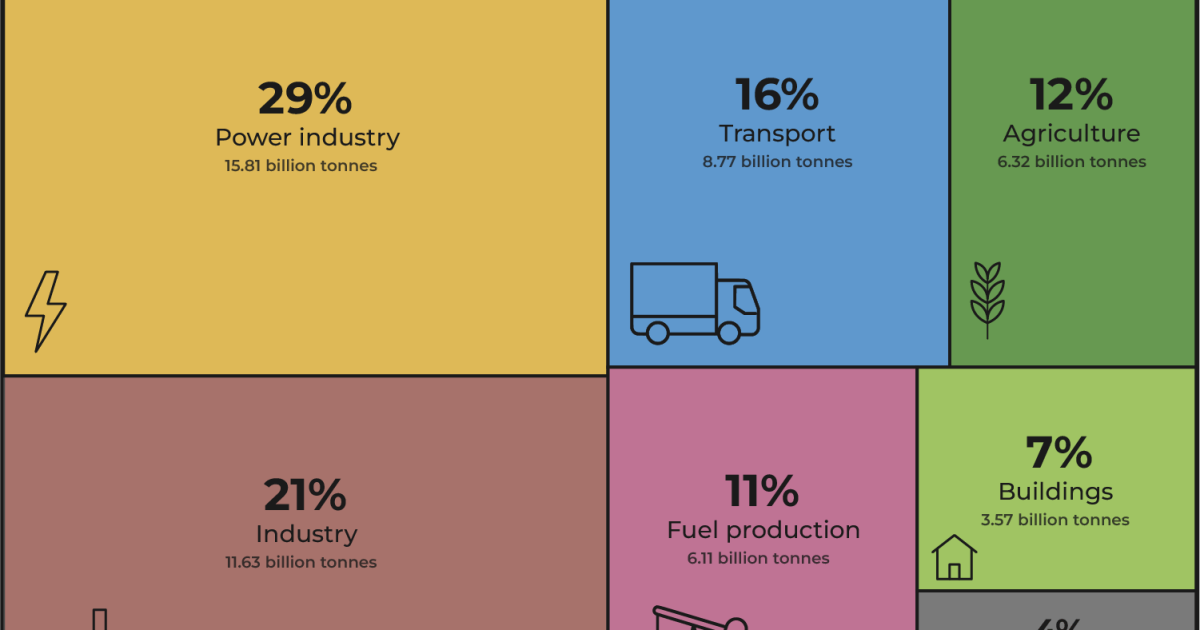
World leaders convene at COP31, the annual United Nations climate summit in Antalya, Turkiye (November 9-20), against a backdrop of escalating greenhouse gas emissions. In 2025, the world emitted 54.1 billion tonnes of greenhouse gases, marking a 0.7% increase over the previous year and a staggering 68.5% surge since 1990, according to the European Commission's Joint Research Centre (JRC) and International Energy Agency (IEA). This rise is predominantly driven by carbon dioxide (CO2), which accounted for 73.8% of global emissions in 2025, primarily stemming from burning fossil fuels such as coal, oil, and gas, as well as deforestation. Methane (CH4) followed closely at 17.6%, with industrial emissions, including manufacturing and mining, accounting for 21% of the total. The power industry emerged as the largest contributor, generating nearly 30% of global emissions in 2025, due to soaring electricity demand in fast-growing economies like China and India. These three sectors – power, industry, and transport – collectively account for approximately two-thirds of the world's greenhouse gas emissions. The escalating emissions have resulted in record heat storage levels in the world's oceans and a sharp increase in extreme weather events, such as heatwaves, droughts, wildfires, glacier collapses, and tropical storms, causing widespread destruction and loss of life across continents. Despite some temporary drops in emissions – for instance, during the 2008 financial crisis and the COVID-19 pandemic in 2020 – global emissions have consistently rebounded each time. In 2025, China (29.5%), the United States (11.1%), and India (8.3%) were the three largest emitters, collectively accounting for almost half of the world's greenhouse gases. The rise in emissions can be traced back to the Industrial Revolution, which first drove up emissions in the West, particularly the UK and US, as they built factories and moved towards mass manufacturing. Emissions continued to surge after World War II and have more than doubled since 1970, with China's emissions surging in the early 2000s as its economy boomed. The challenge now lies in reducing these emissions to mitigate the devastating impacts of climate change.
Filed underWorld
More stories
World
Oxford Returns Ancestral Naga Remains to India, Paving Way for Joint Memorial and Burial
Global Trend Scope Desk
World
The Odyssey's Global Journey Grounded: Singapore Seizes Stranded Cruise Ship Amidst Fuel Cost Crisis
Global Trend Scope Desk
World
Global Energy Superpowers Battle for Dominance: Implications on Climate and Consumer Costs
Global Trend Scope Desk
World
Honduras Delays Verdict in Sex-Trafficking Case Amidst Global Concerns Over Impunity
Global Trend Scope Desk
World
Global Diplomacy Intensifies: US Mediates Russia-Ukraine Peace Talks Amid Claims of Battlefield Successes
Global Trend Scope Desk
World
European Diplomats Advocate for Inclusion in Russia-Ukraine Peace Negotiations
Global Trend Scope Desk