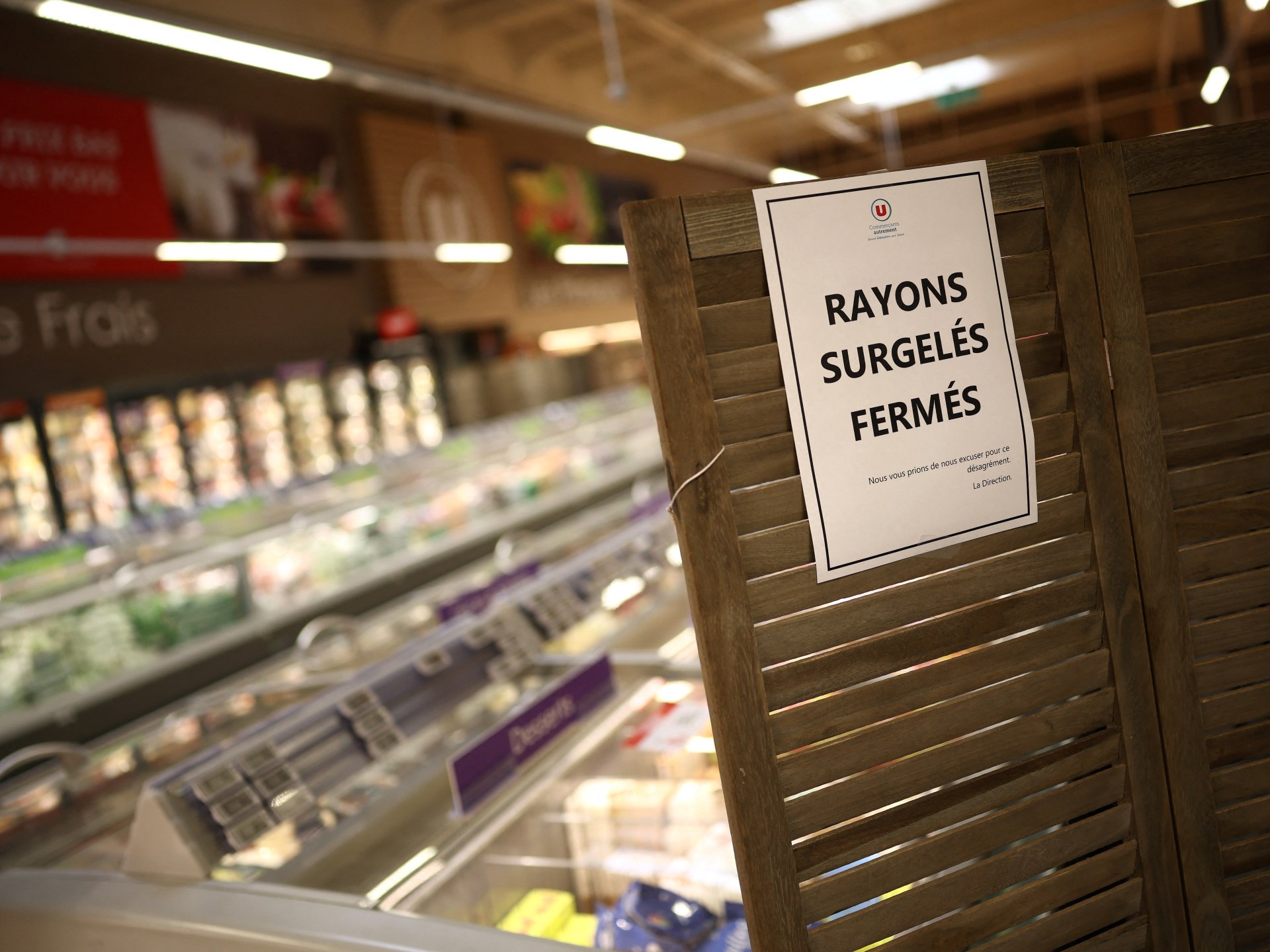
France has lodged a strong protest with Iran's ambassador in Paris, alleging that Tehran was behind a large-scale cyberattack on supermarket fridges last month. The attack, which marks the first major instance of cyber sabotage on French soil, targeted over 700 supermarkets, causing food spoilage and equipment damage. Foreign Minister Jean-Noel Barrot stated that this constituted a significant assault on France's national interests and the security of its citizens. He also hinted at potential European Union sanctions in response to what he deemed an "unprecedented" attack. Tensions between Paris and Tehran have been escalating over Iran's nuclear and ballistic missile programs, with recent incidents including the expulsion of French diplomats. The Iranian government has categorically denied these accusations, labeling them baseless. In a statement, Iran's Foreign Ministry rejected one-sided accusations regarding alleged cyber activities in France and condemned the policy of levelling unfounded allegations against the Islamic republic. Similar incidents have been reported in other European countries recently, raising global concerns about the escalating cyber threats.
In the aftermath of the attack, French prosecutor Laure Beccuau opened an investigation into Shahid Kaveh, a cyber unit of Iran's Islamic Revolutionary Guard Corps (IRGC), over the attacks. The prosecutor's office has requested international arrest warrants for two Shahid Kaveh officials. Tracking down the group responsible for these attacks is reportedly challenging due to poor cooperation on international cybercrime investigations, as mentioned by Jody Westby, chief executive of Global Cyber Risk LLC. The disruption of European air traffic by false bomb alerts against dozens of flights in recent days further underscores the increasing threats posed by cyber attacks.
The supermarket attack has had significant financial implications for retailers, with millions of euros' worth of food being spoiled due to raised temperatures in fridges that forced stores to discard perishable items. In some cases, the temperature spikes also sparked fires or melted equipment. Affected supermarket groups include E-Leclerc, Intermarche, Carrefour, Monoprix, and Cooperative U. This incident serves as a stark reminder of the potential vulnerabilities in critical infrastructure systems and the need for robust cybersecurity measures to protect against such attacks.
In response to these incidents, it is crucial for nations to collaborate closely on cybersecurity matters and strengthen international cooperation to combat cyber threats effectively. The ongoing investigations into the supermarket attack and the false bomb alerts aim to identify those responsible and bring them to justice, ultimately safeguarding the security and interests of all involved parties.