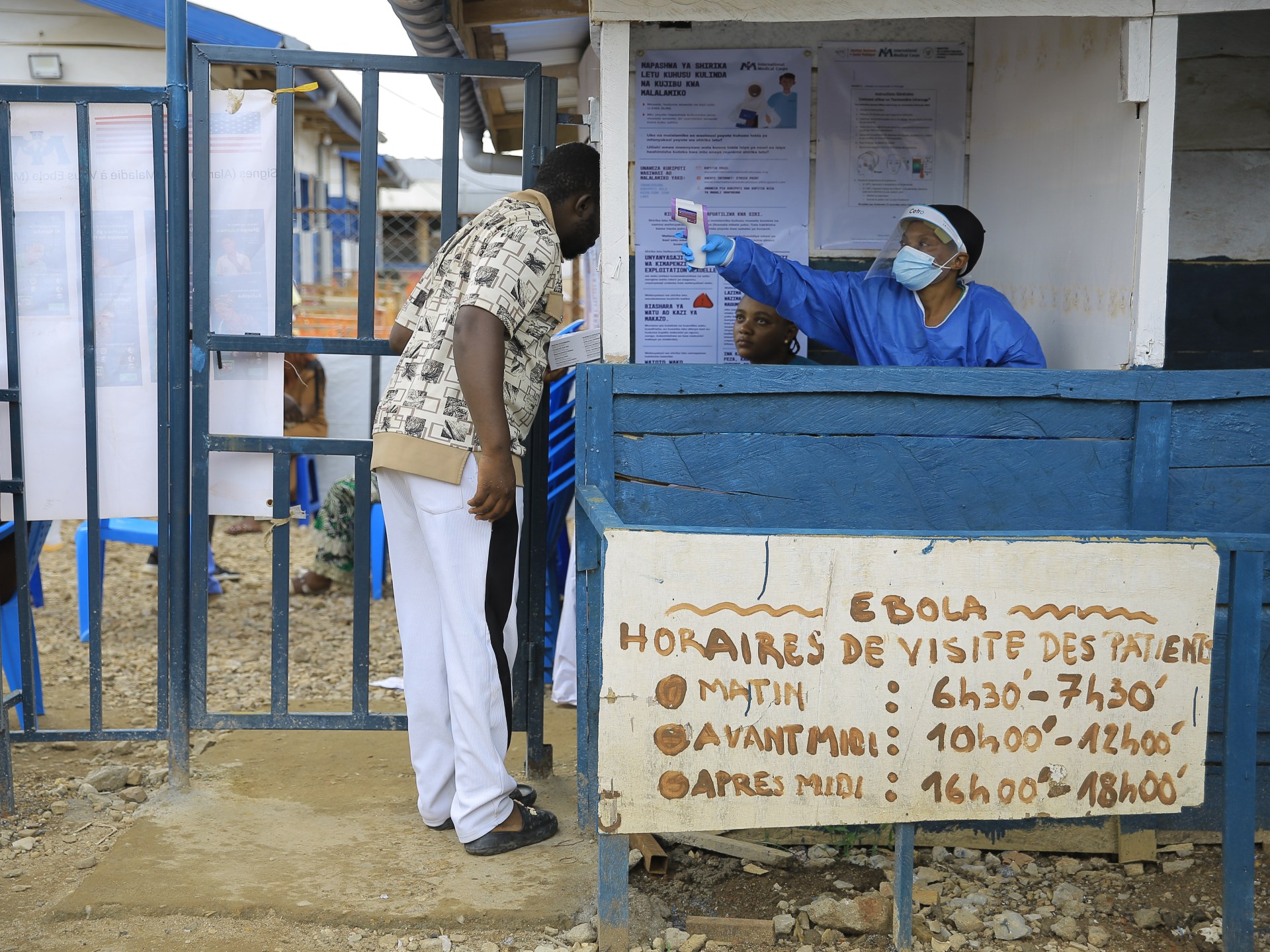
In the Democratic Republic of Congo (DRC), the ongoing Ebola outbreak has reached a grim milestone, with over 11,000 confirmed cases and more than 5,387 deaths reported as of Tuesday. This makes it the second-largest and deadliest Ebola outbreak on record, surpassed only by the 2014-2016 West African epidemic.
The DRC's eastern provinces have been particularly hard hit, with eight out of the country's 26 provinces affected so far. The outbreak, caused by the rare Bundibugyo strain of the Ebola virus, has proven challenging to contain due to factors such as delayed detection, ongoing conflict, and strained health services. Notably, no vaccine or treatment has been developed specifically for this strain, which has a fatality rate of approximately 50%.
The World Health Organization (WHO) has recently approved clinical trials for two new Ebola vaccines, with results expected in early 2027. However, cases have already spread beyond the DRC's borders, with reports from East, Central, and West Africa. This widening geographic reach marks the broadest spread of any Ebola outbreak on the African continent to date.
The global health community is closely monitoring this ongoing crisis, urgently seeking effective strategies to contain the virus and save lives. The urgent need for a targeted vaccine or treatment for the Bundibugyo strain cannot be overstated, as the current situation underscores the devastating impact of Ebola when it goes unchecked.