Global Alert: Nepal and Tibet Face Mass Casualties as Flash Floods and Mudslides Cause Devastation
Across the Himalayan border, both Nepal and Tibet are grappling with significant casualties and missing persons following a series of flash floods and mudslides.
By Global Trend Scope Desk
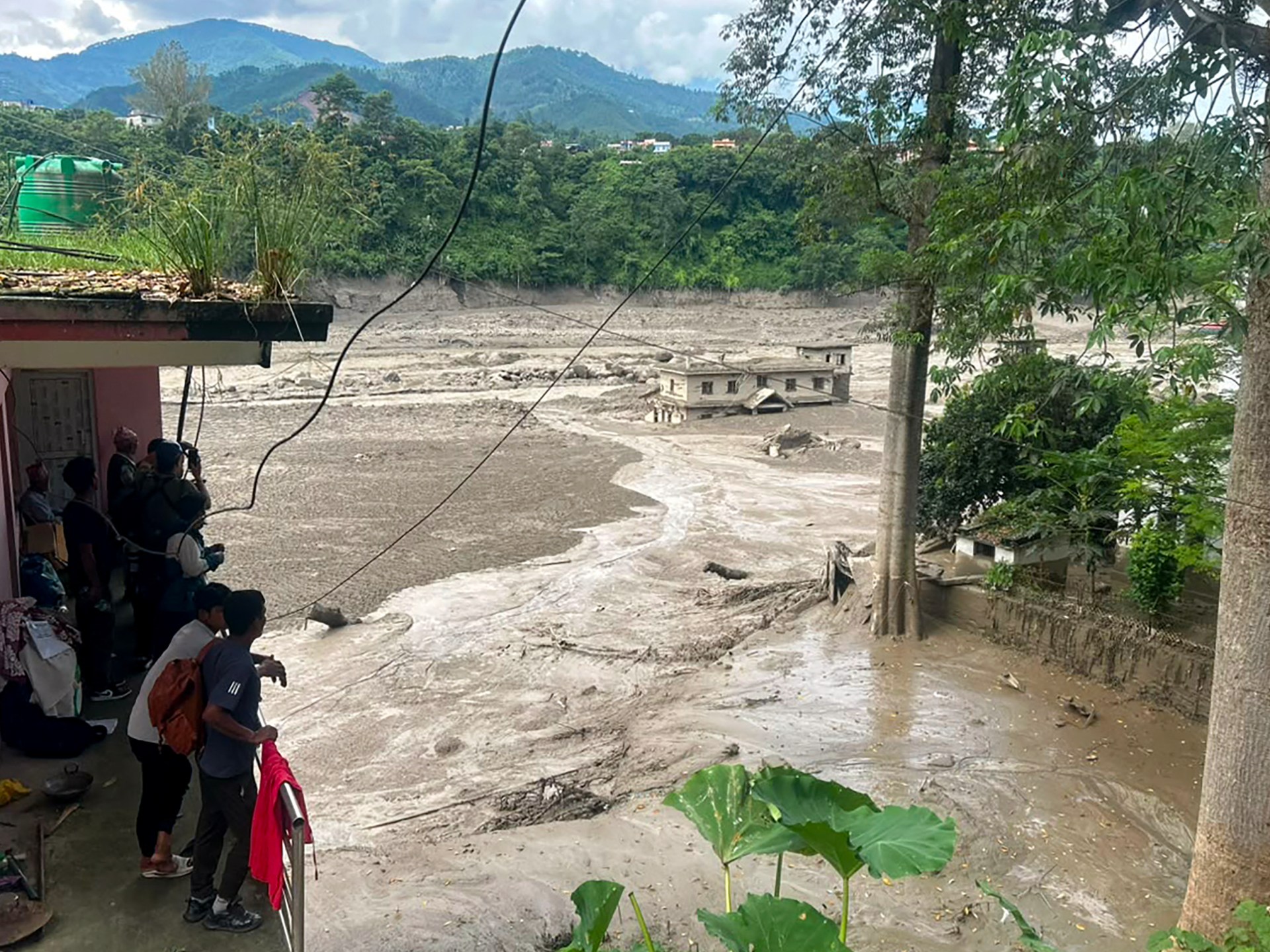
Across the Himalayan border, both Nepal and Tibet are grappling with significant casualties and missing persons following a series of flash floods and mudslides. In Nepal, at least 22 people have perished, with hundreds more unaccounted for after a massive flash flood ravaged villages in the mountainous district of Rasuwa. The disaster has caused extensive damage to roads, bridges, power projects, schools, buildings, and infrastructure, leaving thousands displaced. The Bhote Koshi River, which originates in Tibet and empties into Nepal's Trishuli River, witnessed maximum flooding on Wednesday, potentially triggering the catastrophe. Climate experts suspect an avalanche from a glacier likely set off the flood. Meanwhile, in Tibet, Gyirong county is reporting "major casualties" after a mudslide hit a land crossing between China and Nepal. The disaster has disrupted roads, communications, and power in the Shigatse region. President Xi Jinping has called for immediate search efforts and strengthened monitoring and early warning systems to prevent further disasters. Hundreds of tourists, including those from the United Kingdom, the United States, India, and Malaysia, are among the missing persons. The Nepal Army has deployed helicopters and disaster response personnel to the affected areas, while Prime Minister Balendra Shah has convened an emergency meeting to assess the situation. Climate activists emphasize the importance of early warning systems to protect communities, as this flood marks the second time in 14 months that the Lhende Khola River, a tributary of the Bhote Koshi River, has flooded. The disaster has highlighted the urgent need for improved disaster management and climate resilience strategies in the region.
Filed underWorld
More stories
World
Oxford Returns Ancestral Naga Remains to India, Paving Way for Joint Memorial and Burial
Global Trend Scope Desk
World
The Odyssey's Global Journey Grounded: Singapore Seizes Stranded Cruise Ship Amidst Fuel Cost Crisis
Global Trend Scope Desk
World
Global Energy Superpowers Battle for Dominance: Implications on Climate and Consumer Costs
Global Trend Scope Desk
World
Honduras Delays Verdict in Sex-Trafficking Case Amidst Global Concerns Over Impunity
Global Trend Scope Desk
World
Global Diplomacy Intensifies: US Mediates Russia-Ukraine Peace Talks Amid Claims of Battlefield Successes
Global Trend Scope Desk
World
European Diplomats Advocate for Inclusion in Russia-Ukraine Peace Negotiations
Global Trend Scope Desk