Emerging Tripartite Defense Pact between Saudi Arabia, Turkey, and Pakistan Alters Middle Eastern Landscape and US Strategy
In a significant geopolitical development, Saudi Arabia, Turkey, and Pakistan have signed a historic mutual defense agreement in Mecca, potentially marking one of the most significant power shifts…
By Global Trend Scope Desk
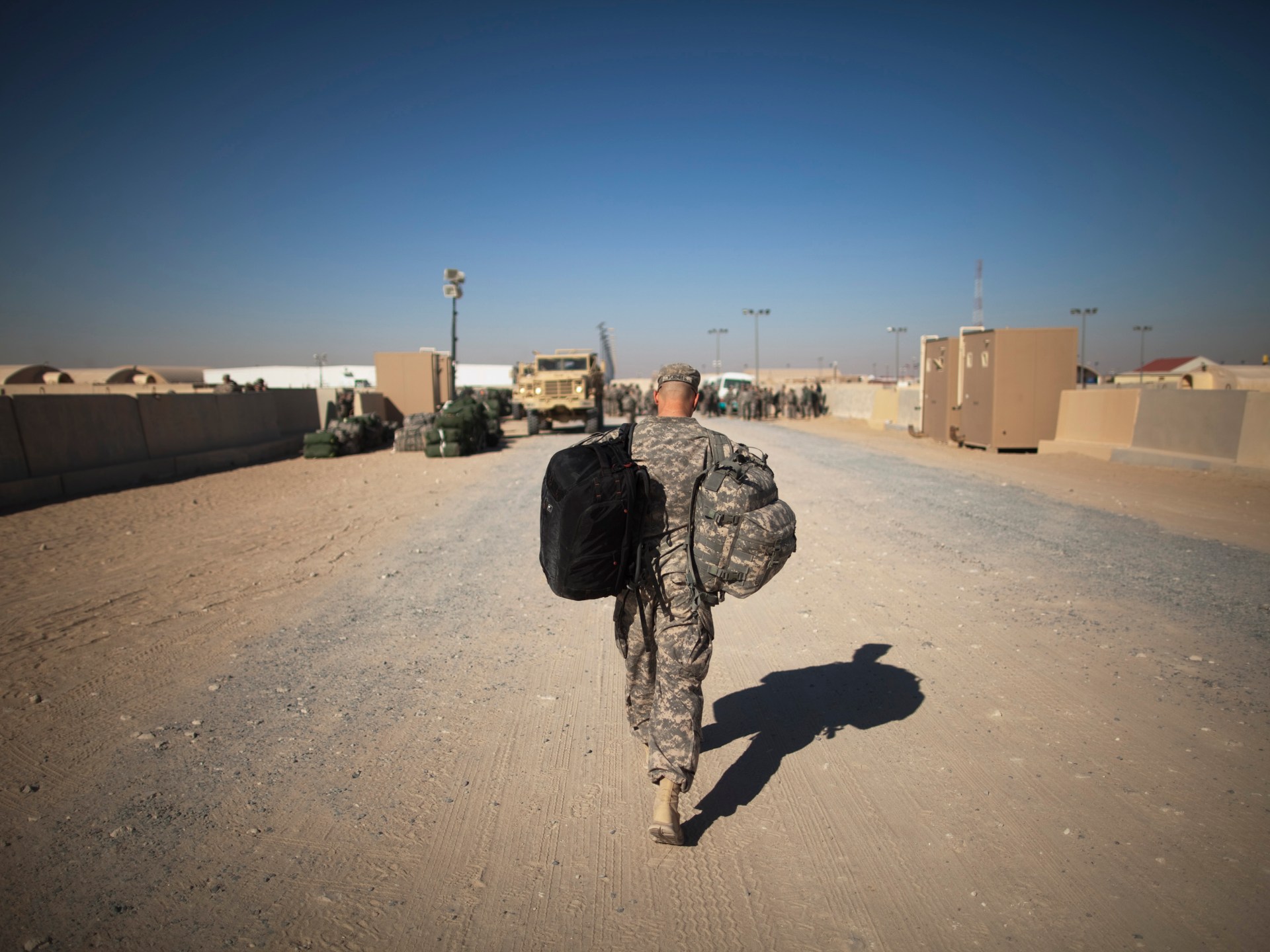
In a significant geopolitical development, Saudi Arabia, Turkey, and Pakistan have signed a historic mutual defense agreement in Mecca, potentially marking one of the most significant power shifts in the Middle East in decades. While the Trump administration has been relatively quiet on the issue, analysts see this pact as a potential response to an unpredictable US government, signaling a possible realignment of security in the region that could transform the Middle East. The agreement, reminiscent of NATO's Article 5, stipulates that an attack on one member state will be treated as an attack on all three. Some experts argue that this defense pact reinforces US strategic aims of burden-sharing among allies, while others view it as a setback for the US and Israel, who entered their war against Iran hoping to reshape the regional balance of power in their favor. The full details of the agreement have yet to be released, but its terms include collective defense measures, supplementing, not supplanting, existing alliances. It is important to note that this new alliance does not necessarily represent a reorientation away from other alliances, as each nation has emphasized that the pact does not come at the expense of their strategic and strong relationships at regional, Arab, and international levels. The agreement builds on a previous mutual defense agreement between Saudi Arabia and Pakistan, and comes amidst concerns about Washington's ability to control its allies following Israel's air strike on Doha and Hamas-led attacks on October 7, 2023. As the region faces increased instability, this tripartite defense pact raises questions about the future of US strategic influence in the Middle East and the potential for a weakening of Washington's strategic sway.
Filed underWorld
More stories
World
Oxford Returns Ancestral Naga Remains to India, Paving Way for Joint Memorial and Burial
Global Trend Scope Desk
World
The Odyssey's Global Journey Grounded: Singapore Seizes Stranded Cruise Ship Amidst Fuel Cost Crisis
Global Trend Scope Desk
World
Global Energy Superpowers Battle for Dominance: Implications on Climate and Consumer Costs
Global Trend Scope Desk
World
Honduras Delays Verdict in Sex-Trafficking Case Amidst Global Concerns Over Impunity
Global Trend Scope Desk
World
Global Diplomacy Intensifies: US Mediates Russia-Ukraine Peace Talks Amid Claims of Battlefield Successes
Global Trend Scope Desk
World
European Diplomats Advocate for Inclusion in Russia-Ukraine Peace Negotiations
Global Trend Scope Desk