Canada Counters U.S. Trade Pressure with Targeted Retaliatory Tariffs and Strategic Support Measures
In a significant escalation of the ongoing trade dispute, Canada announced plans to implement retaliatory tariffs against the United States on Tuesday, following a sharp deterioration in relations.
By Global Trend Scope Desk
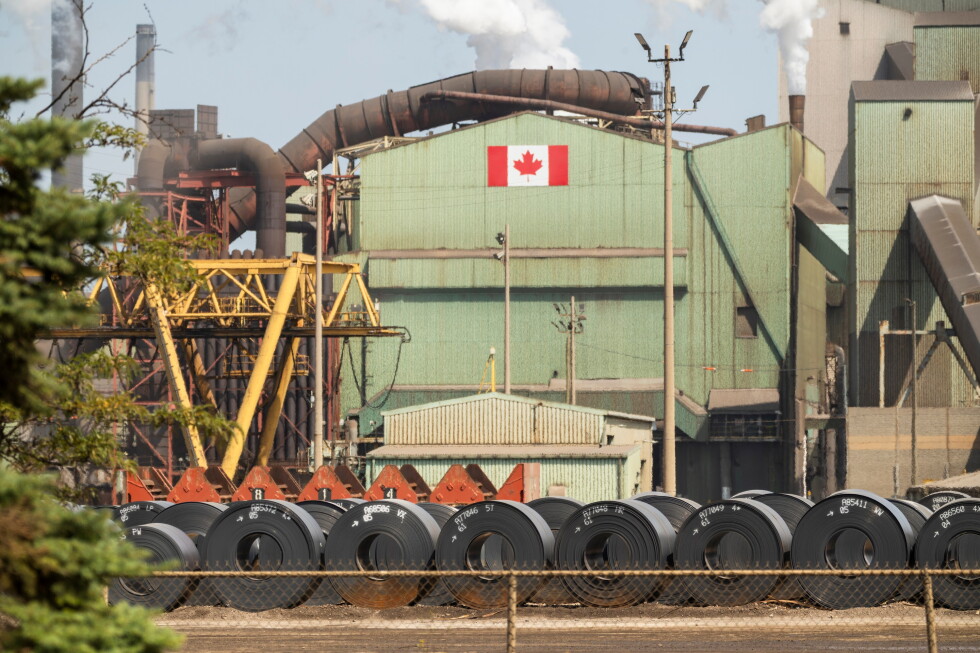
In a significant escalation of the ongoing trade dispute, Canada announced plans to implement retaliatory tariffs against the United States on Tuesday, following a sharp deterioration in relations. President Donald Trump's demand for Canadian leaders to 'fall in line' or face consequences 'far WORSE' than existing tariffs has been met with staunch resistance from Prime Minister Mark Carney, who accused Washington of attempting to subordinate Canada and destroy its major industries, including autos, steel, and aluminum. The finance minister and three other cabinet ministers are expected to share details of support for workers affected by tariffs. In response to U.S. trade demands, Carney suggested a shift away from dollar-for-dollar matching of tariffs towards more targeted retaliation aimed at protecting Canadian workers and businesses. As the two nations share one of the world's largest trading relationships, with deeply integrated supply chains across autos, energy, agriculture, and manufacturing, a prolonged trade fight could prove costly for businesses and workers on both sides of the border. The deteriorating relations come after Carney walked away from negotiations with the Trump administration late Friday, triggering the president's threatened 50% tariffs on about $20 billion worth of Canadian goods. Canada has been exploring reliable partners worldwide amid doubts over U.S. dependability. Ontario Premier Doug Ford, in a fiery response, has vowed to stand firm against U.S. pressure and is considering extreme measures such as cutting off electricity and critical minerals from Ontario, which are increasingly important to U.S. national security and manufacturing. As the trade dispute escalates, both sides continue to exchange heated words, with Trump attacking Ford personally while Ford dismisses the insults and accuses Trump of aiming to hollow out Canadian industries and move production south.
Filed underBusiness
More stories
Business
Escalating Violence: Israeli Forces Fatally Shoot 14-Year-Old Palestinian Boy in West Bank Raid
Global Trend Scope Desk
Business
Pope Leo XIV Advocates for Inclusive Economy in Argentina, Critiques Austerity Measures Amid Political Sensitivity
Global Trend Scope Desk
Business
Global Dynamics: Canada's Countermeasures Test U.S. Power under Trump and Reshape Trade Relations
Global Trend Scope Desk
Business
Global Task Force Disrupts Transnational West African Cybercrime Networks, Aiming to Combat Escalating Financial Fraud
Global Trend Scope Desk
Business
Canada Imposes Reciprocal Tariffs on US Goods Amidst Escalating Trade Dispute
Global Trend Scope Desk
Business
Global Financial System Opens Door for Syria's Economic Recovery Following US Sanctions Lift
Global Trend Scope Desk