Asymmetrical Warfare Shifts Global Attention: Ukraine's Long-Range Strikes Cripple Russia's Energy Infrastructure
Amidst nationwide gas shortages in Russia, caused by Ukraine's persistent long-range drone attacks on oil refineries and fuel depots, ordinary citizens are feeling the brunt of the Kremlin's…
By Global Trend Scope Desk
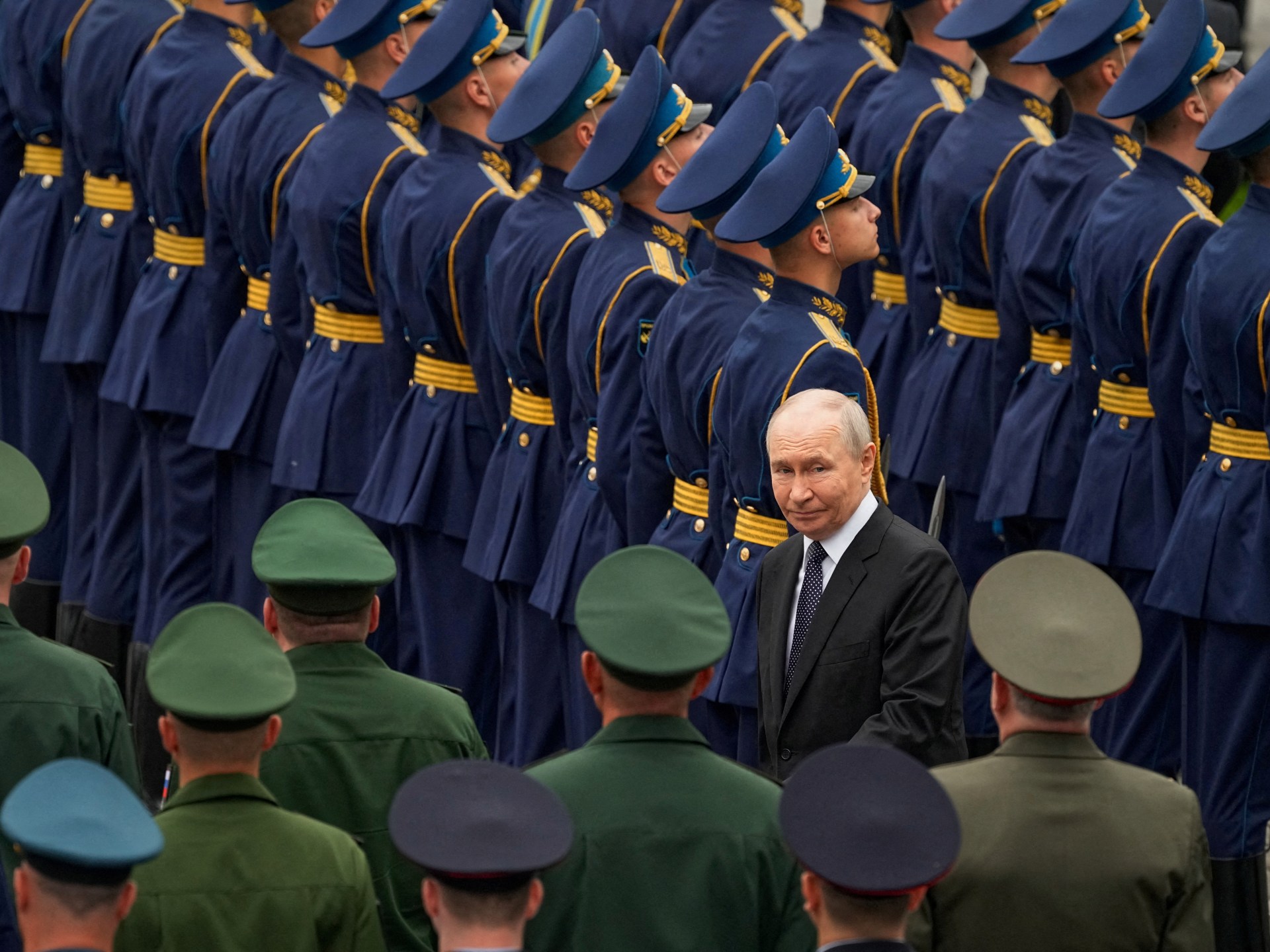
Amidst nationwide gas shortages in Russia, caused by Ukraine's persistent long-range drone attacks on oil refineries and fuel depots, ordinary citizens are feeling the brunt of the Kremlin's military miscalculations. Anatoly, a Moscow taxi driver, laments the deteriorating quality of overpriced gas, while Vladimir Solovyov, a popular Russian talk show host, has softened his once-triumphant tone, calling for self-sacrifice and hardship. Military analysts attribute Russia's predicament to its reliance on outdated defense systems, such as the Iranian-designed Shahed drones and Iskander ballistic missiles, which are ineffective against Ukrainian mid-range and long-range drones. In response to these setbacks, Russia has intensified its attacks on Ukraine, killing dozens across the country, including in Kyiv. Vitaly Yarokhno, a Kyiv resident, narrowly escaped an Iskander missile strike that destroyed his apartment and vehicles. Analysts argue that Russia's miscalculations have left it vulnerable to asymmetrical warfare tactics, with Ukraine exploiting technological solutions that Moscow is still struggling to match. The Kremlin's failure to invest in mobile Pantsir air defense systems has further exposed its weakness against drone swarms, as these systems rely on multi-mode tracking radars, thermal imaging, and guided missiles for effective interception. With the ongoing conflict showing no signs of abating, Russia faces an uphill battle to regain control over its energy infrastructure and quell the rising discontent among its citizens.
Filed underWorld
More stories
World
Oxford Returns Ancestral Naga Remains to India, Paving Way for Joint Memorial and Burial
Global Trend Scope Desk
World
The Odyssey's Global Journey Grounded: Singapore Seizes Stranded Cruise Ship Amidst Fuel Cost Crisis
Global Trend Scope Desk
World
Global Energy Superpowers Battle for Dominance: Implications on Climate and Consumer Costs
Global Trend Scope Desk
World
Honduras Delays Verdict in Sex-Trafficking Case Amidst Global Concerns Over Impunity
Global Trend Scope Desk
World
Global Diplomacy Intensifies: US Mediates Russia-Ukraine Peace Talks Amid Claims of Battlefield Successes
Global Trend Scope Desk
World
European Diplomats Advocate for Inclusion in Russia-Ukraine Peace Negotiations
Global Trend Scope Desk