Analyzing Red Card Controversies at the World Cup: Falorin Balogun's Ejection and the Debate over Fair Play
In a contentious turn of events during the World Cup, United States striker Falorin Balogun was sent off with a red card in their 2-0 victory against Bosnia-Herzegovina.
By Global Trend Scope Desk
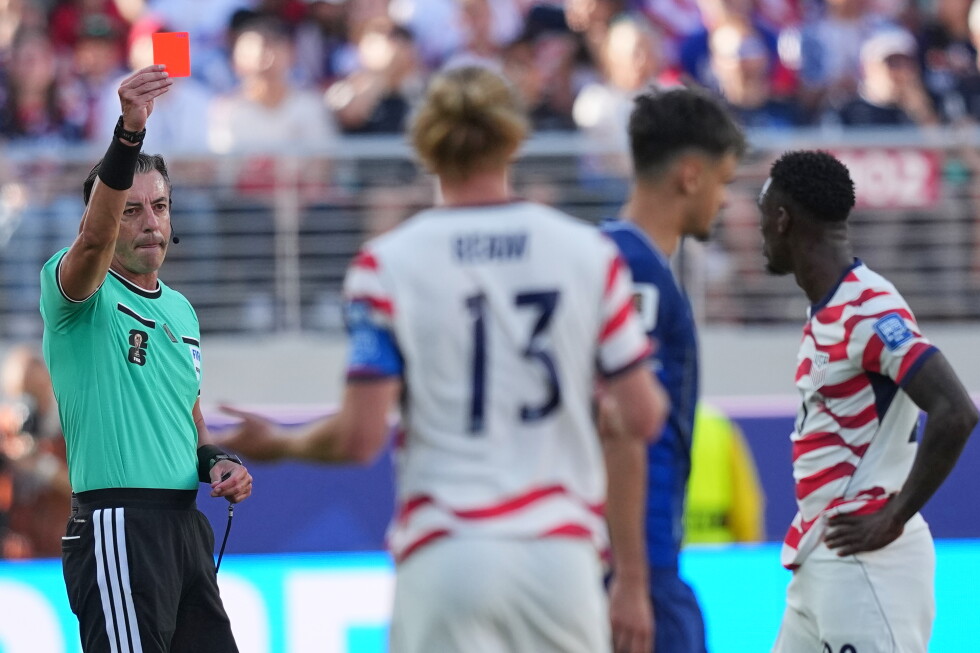
In a contentious turn of events during the World Cup, United States striker Falorin Balogun was sent off with a red card in their 2-0 victory against Bosnia-Herzegovina. The incident occurred midway through the second half and has sparked debate about the appropriateness of the penalty, particularly when compared to instances involving high-profile players such as Lionel Messi. Red cards represent the most severe form of punishment a referee can impose, removing a player from the game and suspending them for the next match. The red card system was introduced after the 1966 World Cup by former referee Ken Aston, with yellow and red cards serving as warnings and ejections respectively. Balogun's red card has raised questions about whether the foul was intentional or simply a hard tackle that warranted a warning instead. The referee initially did not signal a card, but after a review by Video Assisted Review (VAR), the decision was upgraded to a red card. This decision has been met with criticism from analysts and players alike, with former France striker Thierry Henry questioning the fairness of the call. Balogun will miss the next game against Belgium but could return for the quarterfinals if the U.S advances. Meanwhile, criticism over questionable plays has also surrounded other top players, most notably Messi, who was not booked after a studs-up challenge during Argentina's first match. The debate over red cards and fair play is likely to continue as the tournament progresses, with many teams vying for a spot in the quarterfinals.
Filed underWorld
More stories
World
Oxford Returns Ancestral Naga Remains to India, Paving Way for Joint Memorial and Burial
Global Trend Scope Desk
World
The Odyssey's Global Journey Grounded: Singapore Seizes Stranded Cruise Ship Amidst Fuel Cost Crisis
Global Trend Scope Desk
World
Global Energy Superpowers Battle for Dominance: Implications on Climate and Consumer Costs
Global Trend Scope Desk
World
Honduras Delays Verdict in Sex-Trafficking Case Amidst Global Concerns Over Impunity
Global Trend Scope Desk
World
Global Diplomacy Intensifies: US Mediates Russia-Ukraine Peace Talks Amid Claims of Battlefield Successes
Global Trend Scope Desk
World
European Diplomats Advocate for Inclusion in Russia-Ukraine Peace Negotiations
Global Trend Scope Desk