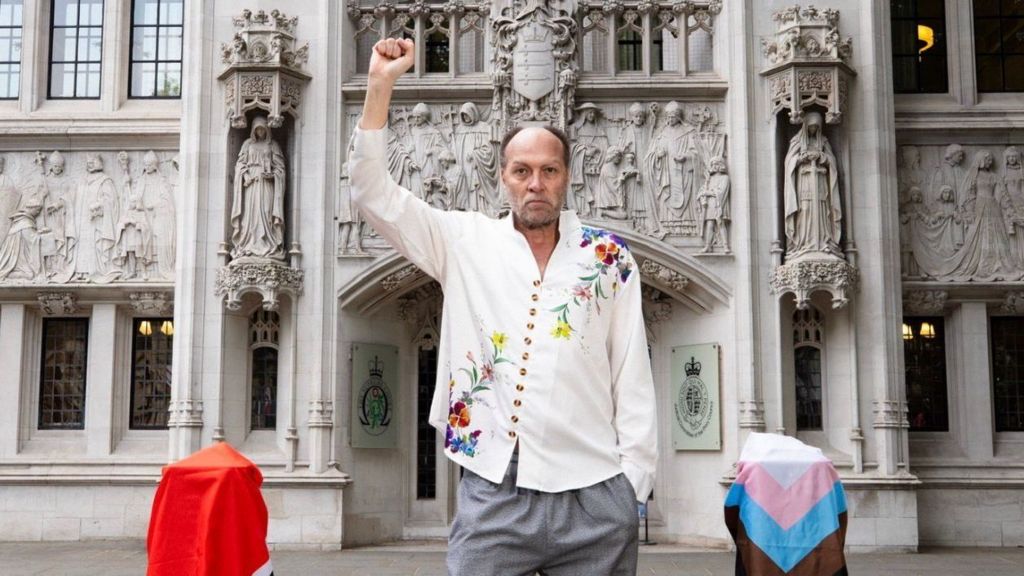
In a groundbreaking ruling, London's Judicial Committee of the Privy Council (JCPC) has overturned laws criminalizing same-sex intimacy in Trinidad and Tobago. This decision brings an end to an 11-year legal battle led by dual-citizen Jason Jones, who expressed hope that it would accelerate the pursuit of full equality. The judgement marks the first time the JCPC has decided on a case to decriminalize same-sex intimacy, and campaigners believe it could inspire similar successful legal challenges within the Commonwealth. Prior to this ruling, Trinidad and Tobago was among 34 Commonwealth countries still criminalizing homosexuality, based on colonial-era British laws. These laws, which can result in imprisonment and even the death penalty for consensual same-sex intimacy, have been deemed unconstitutional by the JCPC. The Attorney General of Trinidad and Tobago argued that the law was protected from legal challenges by "savings law clauses," but the judicial committee found these protections no longer applied due to changes in the laws in 1986. Lord Sales, handing down the judgement, stated that the laws cannot be considered reasonably justifiable in a society that respects individual rights and freedoms. Jones, a human rights campaigner, hailed the decision as a landmark victory for gay rights and equal dignity in Trinidad and Tobago.
The historic ruling by the UK's JCPC to overturn anti-LGBTQ+ laws in Trinidad and Tobago is expected to have a ripple effect across other Commonwealth countries. Campaigners hope that this decision will serve as a catalyst for similar successful legal challenges, potentially leading to decriminalization of same-sex intimacy in more nations within the Commonwealth. The judgement emphasizes the importance of respecting individual rights and freedoms, principles that are central to modern societies. As more countries move towards accepting and protecting LGBTQ+ individuals, it is hoped that this will foster a more inclusive and diverse global community.
The ruling by the UK's JCPC to overturn laws criminalizing same-sex intimacy in Trinidad and Tobago marks a significant milestone in the fight for LGBTQ+ rights in the Caribbean island. Dual-citizen Jason Jones, who led the 11-year legal battle, expressed hope that the decision would accelerate the pursuit of full equality. The judgement not only overturns discriminatory laws but also affirms the importance of respecting individual privacy and rights. As a multiracial and secular nation, Trinidad and Tobago has taken a step towards embracing diversity and inclusivity. This decision serves as a reminder that all individuals, regardless of their sexual orientation, should be treated with dignity and respect in their own country.